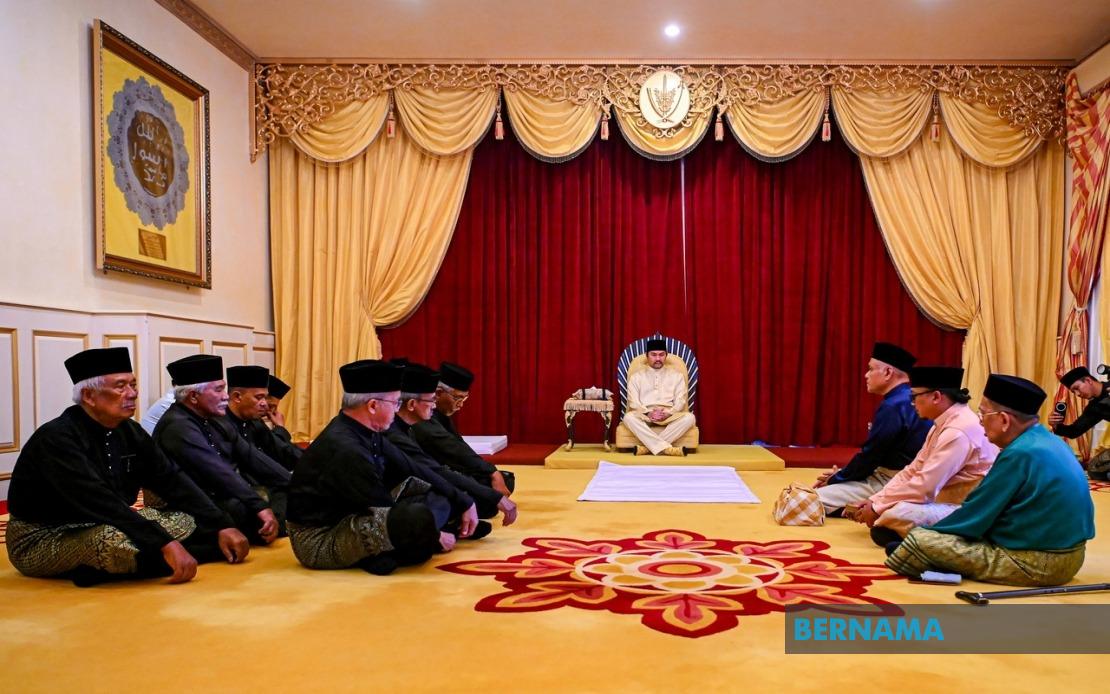
The Yang Dipertuan Besar of Negeri Sembilan, Tuanku Muhriz Tuanku Munawir, has granted his consent for a ceremonial audience to formally install a newly selected adat leader in Sungei Ujong, reaffirming the state's commitment to preserving traditional governance structures alongside modern administrative frameworks. The royal ceremony, scheduled for Saturday morning at Istana Besar Seri Menanti in Kuala Pilah, marks an important moment in the ongoing evolution of Negeri Sembilan's unique constitutional arrangement, which grants significant autonomy to individual luaks, or districts, in managing their internal affairs through hereditary leadership.
Tunku Besar Seri Menanti Tunku Ali Redhauddin Tuanku Muhriz conveyed his father's approval during a formal audience with adat leaders and customary councillors from Luak Sungei Ujong. The announcement confirmed that the selection process had proceeded according to established customs and traditions specific to the district, lending legitimacy to the appointment through both customary and royal endorsement. This layered validation reflects the delicate balance that Negeri Sembilan maintains between honouring its adat heritage and functioning as a constituent state within Malaysia's federal system.
Muhammad Faris Johari, aged 29, has been designated as the 11th Undang of Luak Sungei Ujong following a selection conducted by the Buapak customary council assembly. The appointment represents the culmination of processes governed by centuries-old protocols that privilege lineage, community standing, and demonstrated commitment to preserving adat knowledge and practise. As the Undang, Johari will assume responsibilities for adjudicating customary disputes, maintaining adat records, and serving as the principal custodian of cultural traditions within his luak.
The selection follows the formal dismissal of Datuk Klana Petra Datuk Mubarak Dohak from the position of 10th Undang. This earlier decision was ratified by the Dewan Keadilan dan Undang, Negeri Sembilan's constitutional body charged with overseeing matters of adat law and leadership succession. Menteri Besar Datuk Seri Aminuddin Harun confirmed that the dismissal had been determined during a special sitting chaired by the Yang Dipertuan Besar at Istana Besar Seri Menanti, underscoring the high-level consideration given to questions of adat governance within the state administration.
Waris Negeri Sungei Ujong Datuk Sinda Maharaja Razlan Hamid, who represents the luak's collective interests, provided public confirmation that the selection had adhered strictly to customary protocols. His statement carries particular weight, as the waris position—a senior adat role overseeing the broader custodianship of the state's traditions—functions as a guardian of procedural integrity in matters touching Negeri Sembilan's constitutional heritage. The emphasis on adherence to adat practice reflects a broader pattern across Malaysia's peninsular states where traditional institutions have maintained considerable authority despite decades of nation-building and modernisation.
The royal audience ceremony incorporates ceremonial elements that underscore the spiritual and cultural significance of the Undang installation process beyond its administrative dimensions. The formal Istiadat Menghadap Menjunjung Duli, which translates to paying homage and respect, positions the appointment within a framework of royal oversight and benediction. This ceremonial dimension serves multiple functions simultaneously: it legitimises the new leader within both adat and state hierarchies, it reaffirms the Yang Dipertuan Besar's constitutional role as guardian of adat traditions, and it provides public recognition of the leadership transition.
Negeri Sembilan's approach to adat governance distinguishes it from other Malaysian states, where similar institutions have either been substantially integrated into state bureaucracies or allowed to atrophy through neglect. The state's Undangs remain substantive figures in local dispute resolution and cultural preservation rather than purely ceremonial positions. This functionality has enabled the adat system to maintain relevance across generations, particularly in rural areas where customary law continues to address family matters, land disputes, and community conduct in ways that complement formal legal proceedings.
The simultaneous scheduling of another royal audience to formalise the installation of the 22nd Undang of Luak Rembau indicates that leadership transitions across Negeri Sembilan's nine constituent luaks occasionally cluster together, requiring coordinated administrative and ceremonial attention from the state's custodial institutions. Such clustering can reflect generational succession patterns, retirement decisions, or the resolution of earlier disputes, and each transition provides opportunities for the state to reaffirm its commitment to adat preservation to both local communities and federal observers.
For Malaysia more broadly, Negeri Sembilan's continued investment in adat governance structures offers a pragmatic model of how traditional institutions can coexist with constitutional monarchy and federal democracy. The Yang Dipertuan Besar's active engagement with adat matters, rather than purely ceremonial involvement, demonstrates that hereditary leadership retains substantive cultural authority in areas where communities value continuity with pre-colonial governance patterns. This approach has enabled Negeri Sembilan to avoid the sharp ruptures between traditional and modern that have characterised governance evolution in other states.
The appointment of Johari also reflects demographic realities within adat communities, where younger candidates increasingly step into leadership roles previously held by older generations. At 29, Johari represents a cohort navigating the challenge of inheriting adat responsibilities while possessing educational and professional experiences shaped by contemporary Malaysia. His ability to bridge traditional authority with modern communication and administrative expectations will likely influence how the Undang institution evolves over the coming decades, particularly as customary law increasingly intersects with digital-era record-keeping and inter-generational knowledge transmission.
The involvement of Orang Empat Istana—senior palace officials responsible for ceremonial and administrative matters—in finalising logistical arrangements for the Saturday ceremony exemplifies the institutional interdependence that characterises Negeri Sembilan's governance. Rather than treating adat installation as purely a customary community matter, the integration of palace administrative structures ensures that ceremonial protocols receive state-level attention and resources. This collaborative approach has historically prevented the marginalisation of adat institutions that occurred in states where they were positioned outside formal governmental structures.
The formal approval process, beginning with customary selection and culminating in royal audience, encapsulates principles that have governed Negeri Sembilan's constitutional arrangement since the state's formation. By requiring royal blessing for adat appointments, the system avoids positioning hereditary customary leadership as either subordinate to state authority or entirely autonomous from it. Instead, a complementary relationship emerges wherein the Yang Dipertuan Besar and customary leaders exercise distinct but mutually reinforcing authority over different dimensions of governance and community life.

