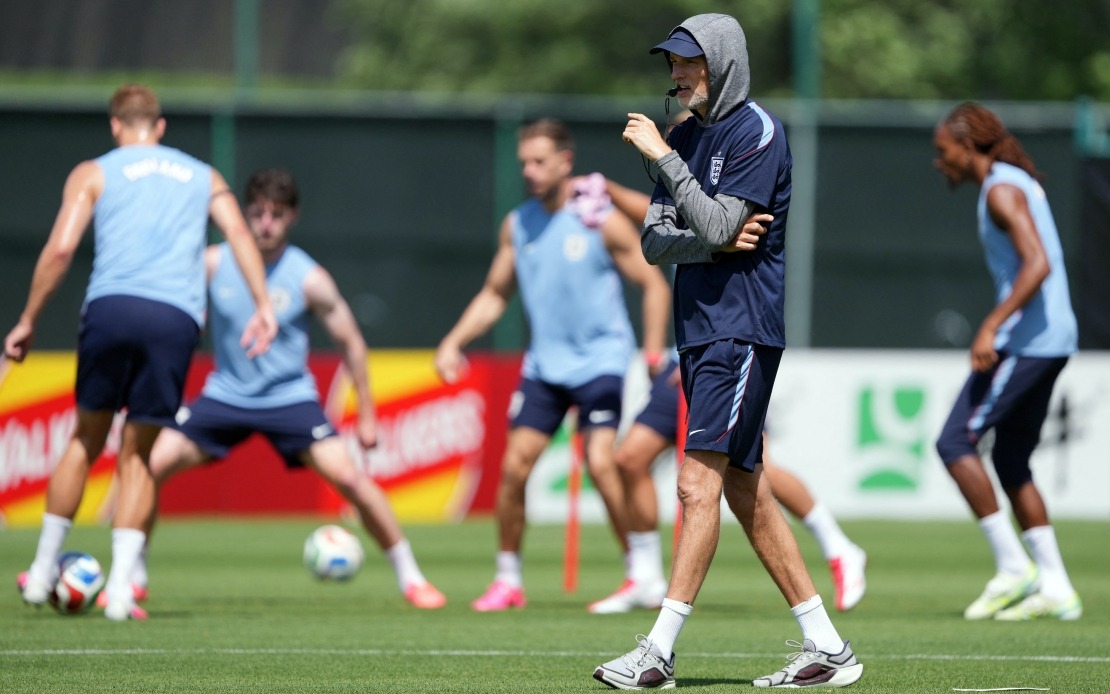
England's World Cup last-32 encounter with the Democratic Republic of Congo in Atlanta presents manager Thomas Tuchel with an opportunity to engage a new generation of supporters at home, though the German tactician has tempered expectations about the aesthetic quality of the upcoming fixture. The Wednesday contest carries particular significance for younger viewers in the United Kingdom, whose participation in England's tournament run has been constrained by late evening kickoff times during the earlier group stage matches.
The scheduling advantage cannot be overstated for British audiences seeking to balance sporting engagement with domestic routines. Previous England group matches against Croatia and Ghana commenced at 9 pm UK time, while Saturday's victory over Panama began at 10 pm, making it difficult for families with school-age children to participate fully in the tournament experience. By contrast, the Congo fixture kicks off at 5 pm UK time, fundamentally altering accessibility for a demographic that typically retires early and faces morning educational commitments.
Tuchel's ambitions extend beyond the mere fact of securing three points. He has articulated a deeper purpose rooted in emotional transmission and collective identity, recognizing that young supporters watching England play for the first time during this tournament deserve something meaningful beyond tactical execution. The manager's comments reveal his understanding that football entertainment encompasses multiple dimensions, not exclusively confined to attacking spectacle or free-flowing combination play.
The England manager acknowledged uncertainty regarding Congo's tactical approach, suggesting that opponents might prioritize defensive organization and disruption over constructive footballing principles. This strategic reality could clash with Tuchel's desire to showcase attacking intent and progressive play. However, he framed the challenge philosophically, arguing that compelling football extends to demonstrating team spirit, collective commitment, and the emotional investment that underpins successful international campaigns.
Tuchel's philosophy reflects a broader philosophy about sports broadcasting and cultural transmission. He seeks to communicate through television screens the intangible qualities—atmosphere, determination, and professional pride—that animate the England team daily during preparation and competition. For viewers confined to domestic television consumption, these elements become the primary medium through which international pride and national identity are constructed and reinforced.
Goalkeeper Jordan Pickford has signaled England's preparedness for extended competition should regulation time prove insufficient to settle the encounter. His comments underscored comprehensive preparation for multiple contingencies, including the possibility that the knockout fixture extends to extra time and penalty shootouts. The player's measured acknowledgment reflects the psychological readiness required in knockout tournament football, where matches frequently exceed 90 minutes and ultimately hinge on penalty accuracy.
England's training regimen has apparently emphasized scenarios beyond standard match duration, suggesting Tuchel has implemented specific preparation for potential decisive moments. This methodical approach distinguishes professional international football from earlier tournament stages, where group matches typically conclude within regulation time regardless of scoreline. The psychological and physical demands of potentially prolonged competition require dedicated preparation beyond standard match rehearsal.
The contrast between Tuchel's entertainment aspirations and the practical realities of knockout football creates an interesting tension within England's campaign. Managers consistently balance attacking ambition with defensive solidity, particularly against opponents willing to compact their shape and absorb pressure. The Congo fixture, while presumably presenting less technical difficulty than hypothetical later opponents, still demands tactical discipline and clinical execution to avoid unnecessary complications.
For Malaysian and Southeast Asian observers of international football, the England-Congo match illustrates how tournament scheduling intersects with sporting identity and fan accessibility across different time zones and demographic groups. The kickoff time decision demonstrates how broadcasting logistics can either include or exclude younger audiences from major sporting occasions, a consideration increasingly central to international sports governance.
Tuchel's stated commitment to entertaining young viewers reflects broader trends in football management where coaches recognize responsibilities extending beyond purely competitive outcomes. The transmission of footballing values, national identity, and institutional pride through television has become integral to international football's cultural significance, particularly for emerging supporters encountering their national team for the inaugural occasion. England's performance against Congo will ultimately be judged on results, but Tuchel's framing suggests he views this match as an opportunity to kindle lasting engagement with the sport and the national team among viewers beginning their football fandom journey.

