The world's largest travel group, TUI, has indicated that the tourism sector is beginning to stabilise following an extraordinarily volatile period shaped by geopolitical conflict and environmental challenges across Europe. Despite headwinds that have battered the industry throughout the summer, the German travel giant reported that bookings have climbed 7% over the previous four weeks, suggesting that consumer confidence is gradually returning to the holiday market.
The operating environment for travel firms remains decidedly complex. The escalating tensions in West Asia, particularly military developments involving the United States and Israel, have created sustained pressure on fuel costs for airlines and cruise operators alike. This has rippled through the entire tourism value chain, forcing both travellers and tour operators to reconsider their holiday plans and destinations. Simultaneously, Europe has grappled with severe heatwaves and widespread wildfires across Mediterranean destinations including Spain, France, Portugal and Greece, conditions that would typically deter summer holiday bookings from northern European markets.
TUI's financial performance in the latest quarter presents a mixed picture that reflects these competing pressures. The company recorded net profit of €124.2 million for the period, representing a substantial 44.7% decline compared to the same quarter the previous year. This deterioration prompted investors to react cautiously, with TUI shares declining more than 3% during early trading on the Frankfurt exchange. Yet beneath this headline figure lies evidence of momentum building, as revenue from bookings over the past four weeks increased 7%, indicating that the worst of the summer slump may be behind the industry.
The revenue picture for the complete summer season, however, remained depressed. Total booked revenue for the summer period fell 6% year-on-year, reflecting the cumulative impact of the Middle East crisis and extreme weather patterns that peaked during the height of the holiday season. This contraction underscores the genuine challenges that travel operators faced in persuading Europeans to commit to summer holidays amid uncertainty about fuel surcharges, geopolitical stability, and whether their chosen destinations would be safe from wildfires and dangerous heat.
A particularly telling indicator of market disruption emerged from hotel occupancy metrics. The company recorded a 3% decline in hotel occupancy during the quarter ending in June, which nonetheless represented considerable improvement from the 6% drop experienced in the preceding six-month period. This trajectory suggests that as geopolitical concerns have gradually receded and travellers have adapted to operating within a more volatile environment, they have progressively returned to booking accommodation. The sequential improvement implies that the initial panic-driven cancellations of spring have given way to more measured decision-making through early summer.
TUI's experiences illuminate the precarious position in which the tourism industry found itself during this period. In April, the company had issued a formal profit warning, just weeks after the Middle East conflict forced it to mount an emergency repatriation operation involving 10,000 holidaymakers. Among those evacuated were 5,000 travellers stranded on two cruise ships operating in the Gulf, an episode that vividly demonstrated the vulnerability of tourism infrastructure to geopolitical shocks. This operation consumed management attention and resources precisely when the company needed to focus on commercial recovery.
What distinguishes TUI's current assessment is the company's evidence-based observation that some environmental challenges have not manifested as severely as might have been feared. Chief executive Sebastian Ebel noted during earnings discussions that the extreme heat affecting Germany and parts of western Europe has not materially dampened bookings, partly because travellers from northern Europe have continued to prefer cooler destinations outside the Mediterranean zone. Furthermore, Ebel reported that wildfire activity in TUI's traditional non-Mediterranean destination portfolio has been below normal historical levels, suggesting that travellers to those regions have not faced the same environmental disruptions affecting southern Europe.
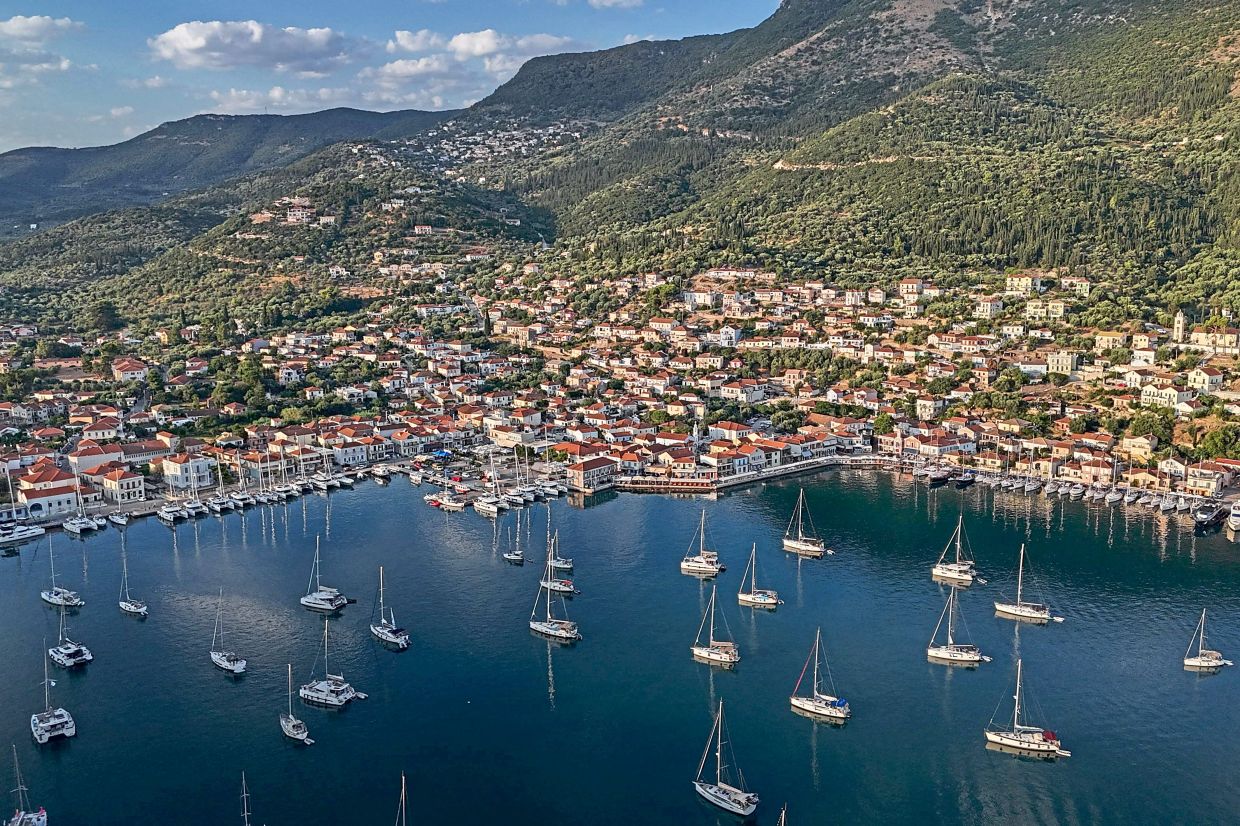
The recovery also reflects strategic reorientation by holidaymakers. Following months of geopolitical uncertainty in the eastern Mediterranean region, TUI has observed renewed consumer interest in these destinations, indicating that travellers are gradually shedding their earlier risk aversion and returning to markets they had previously avoided. This recalibration of travel preferences represents both a vote of confidence that immediate crisis conditions have eased and a recognition that postponed holidays are eventually rescheduled rather than cancelled entirely.
Management rhetoric has shifted notably toward optimism, with Ebel articulating a perspective that views current challenges as temporary disruptions within a fundamentally resilient market. His assessment that "business is coming back, it's normalising" and references to "strong weeks" in recent periods suggest confidence that the industry has moved beyond the acute phase of crisis management. This outlook carries implications for how the company allocates capital and structures its operations in coming months.
Looking forward, TUI's leadership has identified a potentially transformative trend in seasonal travel patterns. The observation that extreme summer heat in Europe might effectively shift demand away from peak summer months toward spring and autumn shoulder seasons represents a significant structural shift with long-term consequences. If sustained, this migration could reshape how hotels, airlines and tour operators schedule staffing, maintenance and pricing throughout the year, fundamentally altering the rhythm of European tourism that has persisted for decades.
For Malaysian and Southeast Asian travel operators and investors, TUI's experience offers instructive lessons about managing through geopolitical and environmental volatility. The company's recovery trajectory suggests that tourism demand, though vulnerable to short-term shocks, possesses underlying resilience once crisis perceptions subside. This pattern may be particularly relevant for regional operators as they navigate their own exposure to geopolitical tensions, climate-related disruptions and fuel price volatility. The recovery pattern at TUI—initial contraction followed by gradual booking normalisation and destination preference shifts—may well preview how Asian tourism markets will respond to comparable challenges in coming years.

