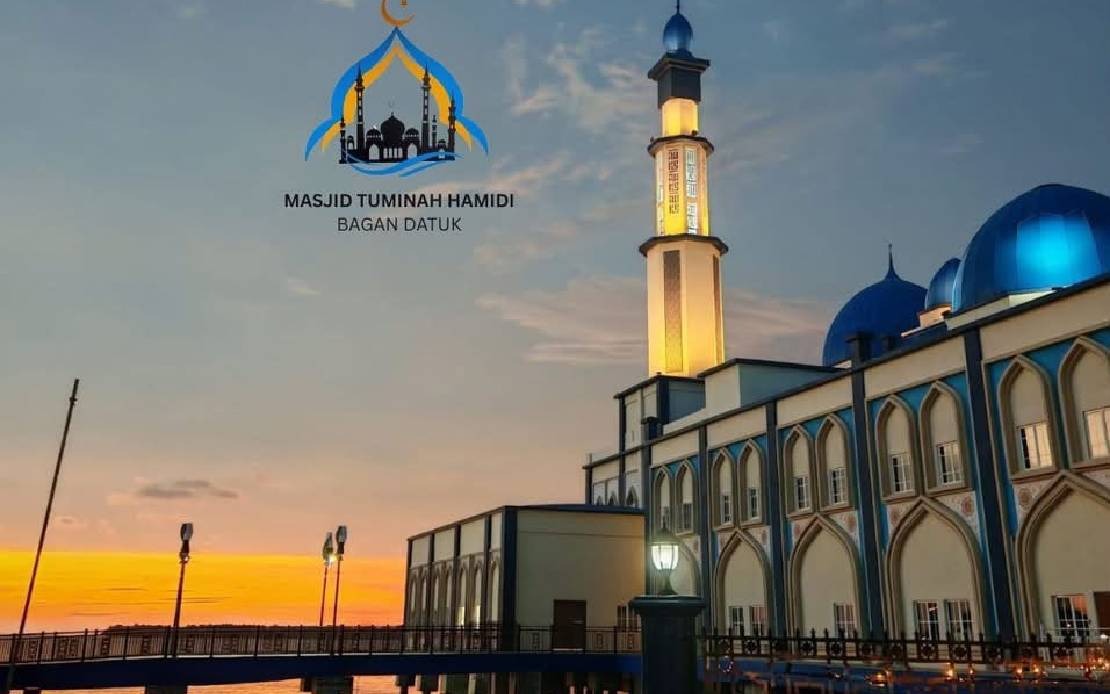
Bagan Datuk's Tuminah Hamidi Mosque will become a beacon of cultural exchange and religious understanding when it hosts Malaysia's inaugural National Mosque Open Day from August 13 to 15. The three-day celebration represents a significant milestone in Malaysia's efforts to position itself as a leader in Muslim-friendly tourism while simultaneously deepening community bonds across religious and ethnic lines. Organised by the Islamic Tourism Centre under the Ministry of Tourism, Arts and Culture, this groundbreaking initiative aims to reshape public perception of mosques beyond their traditional role as places of worship, instead highlighting them as dynamic gathering spaces where learning, connection and cultural celebration flourish.
The decision to launch this event at Tuminah Hamidi Mosque carries particular symbolic weight. Deputy Prime Minister Datuk Seri Dr Ahmad Zahid Hamidi will officially inaugurate the 2026 National Mosque Open Day programme, underscoring the government's commitment to interfaith dialogue and inclusive community engagement. The venue selection demonstrates how regional mosques can become platforms for fostering greater understanding and appreciation of Islamic heritage among Malaysians of all backgrounds. This approach aligns with Malaysia's broader tourism strategy, which increasingly emphasises cultural and religious immersion experiences as key differentiators in the competitive Southeast Asian tourism landscape.
The opening day on August 13 establishes a contemplative tone, focusing on spiritual and cultural enrichment. A Qasidah performance by the Nur Ahli Badar group will set the atmosphere, followed by tausiyah, or brief sermons, delivered by Ustaz Habib Ali Zaenal Abidin Alhamid and Ustaz Habib Najmuddin Othman Alkhered. This blend of traditional Islamic art forms and contemporary religious discourse creates an accessible entry point for visitors seeking to understand Islamic cultural expressions. The carefully curated programming reflects recognition that meaningful engagement requires multiple touchpoints—spiritual, artistic and intellectual—rather than superficial tourism offerings.
August 15 transforms the experience into an energetic community festival, with Dataran Bagan Datuk hosting activities designed to appeal across age groups and interests. The morning kicks off with a Brisk Walk led by actor Bell Ngasri, immediately establishing the inclusive, wellness-oriented tone of the day's activities. Subsequent attractions span traditional Malaysian games, a 3x3 Street Soccer tournament, e-sports competitions, archery demonstrations and khat, or Islamic calligraphy, workshops. This diverse programming strategy serves multiple audiences—history enthusiasts discover architectural and spiritual significance, sports fans engage through athletics and gaming, families enjoy intergenerational bonding opportunities, and food lovers explore culinary traditions. The azan, or call to prayer, competition and children's colouring contest ensure younger visitors develop early appreciation for Islamic artistic and spiritual traditions.
Cultural performances and celebrity appearances amplify the event's appeal and reach. Aril Pilus and Elly Mazlein will feature in stage segments, while exhibitor sharing sessions, live demonstrations and lucky draws create dynamic, participatory experiences throughout the day. This entertainment-integrated approach reflects lessons learned from successful interfaith and cultural tourism initiatives globally—engagement metrics improve substantially when visitors encounter familiar personalities and entertainment values alongside educational content. For Malaysian families, the combination of free admission, varied activities and prominent local celebrities creates powerful incentives for weekend participation.
The National Mosque Open Day represents evolution in how Malaysia conceptualises mosque functions within broader society. Traditionally perceived primarily as religious sanctuaries, these facilities increasingly serve as cultural ambassadors. The Islamic Tourism Centre's monthly Mosque Open Day programme, establishing this initiative as a signature, repeatable model, acknowledges that regular, well-structured community engagement builds sustained understanding more effectively than one-time events. This systematic approach positions Malaysia competitively within the Muslim-friendly tourism sector, where countries including Indonesia, Turkey and the United Arab Emirates have successfully leveraged Islamic cultural tourism to drive visitor numbers and enhance international perceptions of their societies.
For non-Muslim visitors, particularly international tourists and Malaysian citizens from other faith backgrounds, the event addresses common knowledge gaps and misconceptions about Islamic practices and aesthetics. Architecture appreciation, calligraphy education and cultural performance exposure provide culturally grounded learning experiences. Free admission and explicit welcoming statements regardless of race, religion or nationality remove psychological barriers to participation. Malaysian tourism stakeholders recognise that such initiatives generate positive word-of-mouth marketing, enhance Malaysia's international brand positioning and contribute to social cohesion—outcomes that extend far beyond immediate visitor numbers.
The timing of this inaugural event within Malaysia's broader tourism recovery and growth strategy reflects governmental prioritisation of experiential and cultural tourism over traditional beach-and-resort offerings. As regional competitors enhance their cultural tourism propositions, Malaysia's unique selling point—its multicultural society where different religious communities coexist and increasingly collaborate—becomes increasingly valuable. The Tuminah Hamidi Mosque event operationalises this advantage, transforming it from abstract national identity claim into lived, memorable experiences that visitors and residents will carry forward.
Promotional infrastructure supports accessibility and information dissemination. The Islamic Tourism Centre directs interested parties to mymuslimtrip.com while maintaining active social media presence on Facebook and Instagram. This multi-channel approach ensures diverse audience segments encounter promotional content—older Malaysians through Facebook, younger demographics through Instagram, and travel-minded individuals through dedicated tourism platforms. Digital engagement also extends the event's reach beyond immediate geographic proximity, potentially attracting visitors from other Malaysian states and international tourists planning August travel.
The successful execution of this inaugural National Mosque Open Day will likely establish precedents for future iterations at mosques throughout Malaysia. Scaling the model to different regions, incorporating locally distinctive cultural elements and seasonal variations could transform mosque visitation into a sustained tourism and community engagement strategy. For Bagan Datuk specifically, the international attention and visitor influx associated with hosting this premiere event may generate longer-term economic and social benefits extending well beyond August.
Ultimately, the National Mosque Open Day reflects contemporary recognition that religious understanding, community cohesion and tourism development are interconnected objectives requiring coordinated effort. Rather than treating these as separate policy domains, the Islamic Tourism Centre's initiative demonstrates how cultural tourism can authentically serve interfaith understanding while simultaneously advancing Malaysia's economic development objectives. For a multicultural nation navigating global tensions around religious difference, such programming carries significance extending far beyond weekend entertainment, contributing to the foundational social consensus upon which Malaysia's stability and prosperity depend.

