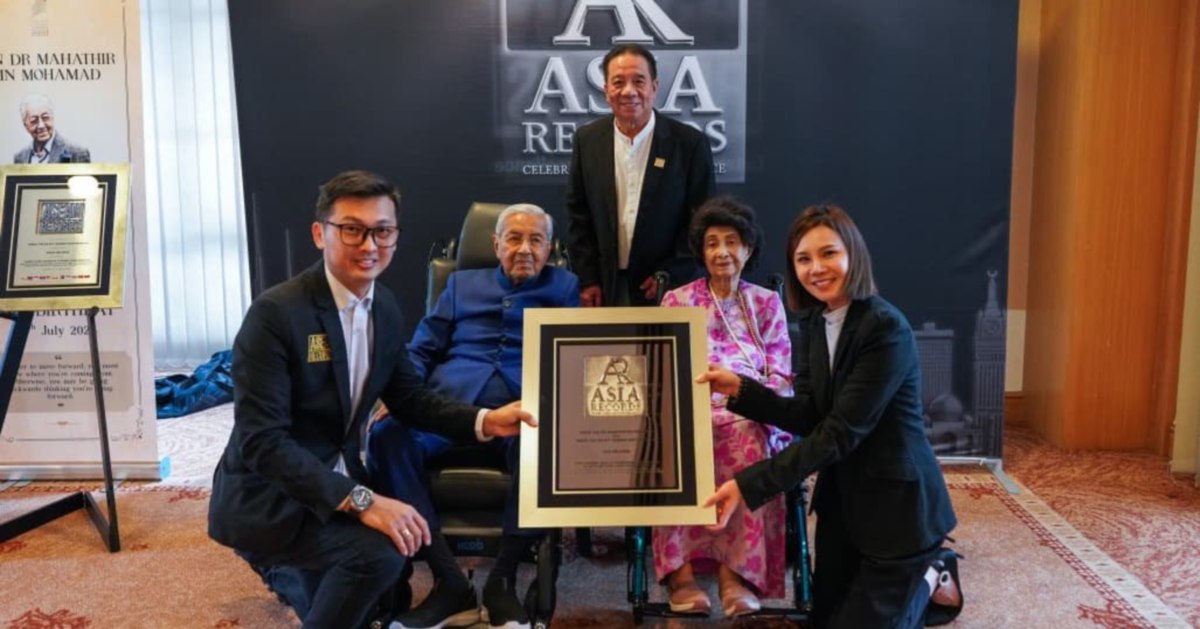
Tun Dr Mahathir Mohamad, Malaysia's longest-serving Prime Minister, and his wife Tun Dr Siti Hasmah Mohd Ali have entered the history books after receiving official recognition for their remarkable longevity and extraordinary achievements as a centenarian couple. The dual recognition underscores the exceptional nature of their combined lifespans and their enduring impact on Malaysian society across multiple generations.
The couple's milestone achievement reflects not only their personal resilience but also broader improvements in healthcare, living standards, and quality of life that Malaysia has achieved over recent decades. As the nation continues to grapple with the implications of an ageing population, their longevity serves as both an inspirational narrative and a practical reminder of how medical advancement and social development enable citizens to enjoy extended, productive lives. Malaysia's healthcare infrastructure and social safety nets have evolved considerably, enabling more citizens to reach and surpass the century mark.
Tun Dr Mahathir's long career in public service—spanning decades as Prime Minister during Malaysia's most transformative periods—has been well documented. His influence on the nation's political and economic trajectory cannot be overstated. Tun Dr Siti Hasmah, herself an accomplished physician and advocate for public health and women's advancement, has played an instrumental role in numerous charitable and social initiatives throughout her life. Together, they represent a generation that witnessed Malaysia's transformation from colonial administration to independent nation-state, and subsequently through multiple waves of modernisation.
The significance of recognising this couple extends beyond mere chronological achievement. Both have remained intellectually engaged and socially connected well into their advanced years, continuing to participate in public discourse and family activities. This pattern of active engagement—rather than retreat into isolation—characterises many healthy centenarians and challenges stereotypes about ageing. Their visibility and continued relevance have helped shift Malaysian perceptions of what productive and meaningful life in the second century can entail.
For Malaysia's healthcare professionals and gerontologists, the longevity of prominent figures like Tun Dr Mahathir and Tun Dr Siti Hasmah provides valuable data points for understanding successful ageing. The nation's medical community has increasingly focused on preventative care, chronic disease management, and maintaining cognitive and physical function in older adults. The couple's example demonstrates that reaching and thriving beyond one hundred years is achievable for Malaysians with access to adequate healthcare, nutritional support, and family structures that prioritise wellbeing.
The demographic implications of such longevity are substantial for Malaysia's policymakers. As the proportion of citizens over sixty-five continues to grow, questions about pension sustainability, healthcare capacity, and social care provision become increasingly urgent. Tun Dr Mahathir and Tun Dr Siti Hasmah represent a vanguard cohort whose extended lifespans will become increasingly common within two decades. The nation must begin comprehensive planning now for eldercare infrastructure, age-friendly urban design, and economic models that accommodate a larger proportion of retirees alongside working-age adults.
Their recognition also highlights the role of education and intellectual stimulation in maintaining health and vitality throughout advanced age. Tun Dr Mahathir has remained engaged with current affairs and policy matters, frequently offering commentary on national and international developments. Tun Dr Siti Hasmah has similarly maintained her interest in healthcare policy and social welfare. This pattern of continuous learning and engagement with meaningful pursuits appears to correlate strongly with longevity and life satisfaction among centenarians across multiple cultures and countries.
From a regional perspective, Malaysia's recognition of its centenarian achievers reflects a broader Southeast Asian trend of celebrating extended lifespans as nations develop economically and improve healthcare delivery. Countries across the region are simultaneously experiencing rapid ageing and celebrating those who reach landmark ages. This dual phenomenon creates both opportunities and challenges—opportunities for knowledge transfer from experienced older citizens, and challenges for social systems designed primarily for younger populations.
The official records recognising Tun Dr Mahathir and Tun Dr Siti Hasmah serve as a symbolic acknowledgment that Malaysia values the contributions of its elder citizens and recognises their place in the nation's narrative. Such public recognition can influence societal attitudes towards ageing, shifting perspectives from viewing advanced age primarily as a burden towards recognising the wisdom, experience, and continuing potential that older citizens represent. This attitudinal shift has practical implications for employment policies, healthcare prioritisation, and family support systems.
As Malaysia continues its development trajectory, the longevity of prominent figures like this centenarian couple reminds policymakers, healthcare providers, and the broader public that population ageing is not merely a demographic statistic but a human reality requiring thoughtful, comprehensive responses. The couple's achievements demonstrate that with appropriate resources and supportive environments, Malaysians can look forward to extended, engaged, and meaningful lives well into their second century.

