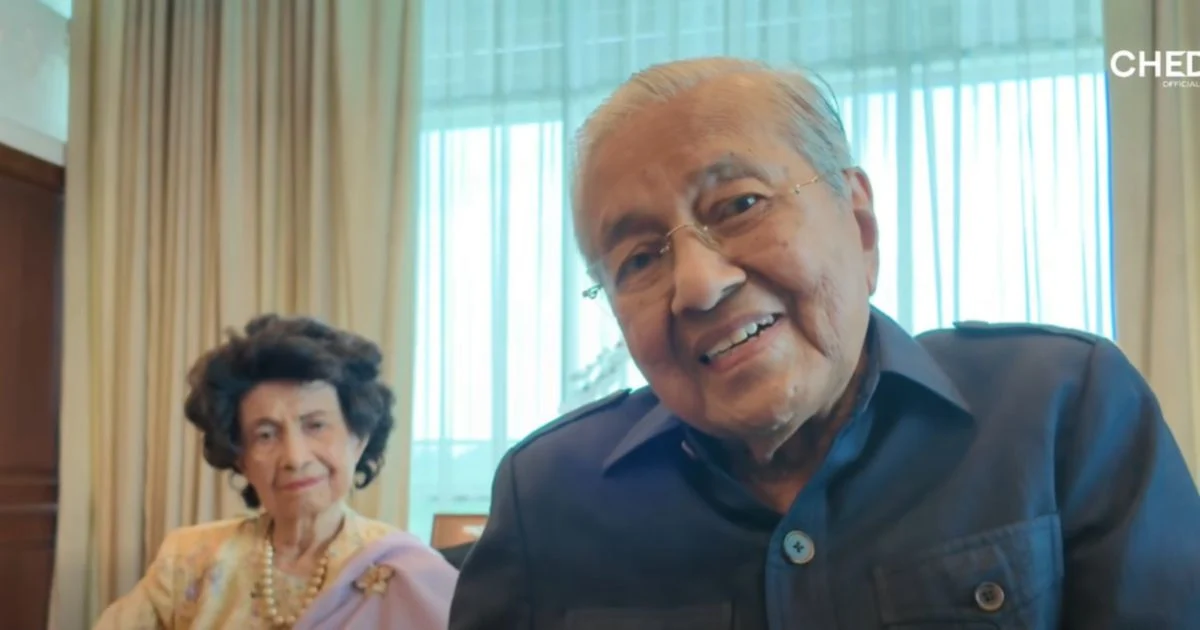
Tun Dr Mahathir Mohamad, Malaysia's longest-serving prime minister, has publicly acknowledged the wave of goodwill from across the nation following his entry into his 102nd year of life. The statesman, whose tenure reshaped modern Malaysia, took time to convey his appreciation to citizens and well-wishers who sent cards, messages, and greetings marking the significant centennial milestone.
The 101st birthday of the former premier carries particular weight in Malaysian public consciousness, as Mahathir remains a towering and occasionally controversial figure in the country's political landscape. His longevity at such an advanced age has itself become a point of national pride for many Malaysians, reflecting both advances in the country's healthcare standards and the resilience of an individual who has remained intellectually engaged well into his eleventh decade.
Mahathir's service as prime minister across two separate tenures—from 1981 to 2003 and again from 2018 to 2020—fundamentally shaped Malaysia's economic trajectory and international relations. His "Look East" policy during the earlier period reoriented Malaysia's strategic and economic partnerships, while his later return to office during a period of political turbulence demonstrated enduring public interest in his leadership despite advanced age. The volume of birthday wishes received reflects not merely ceremonial acknowledgment but genuine affection and respect from segments of the Malaysian population.
The overwhelming response from across the country underscores how Mahathir transcends ordinary political categories in the Malaysian consciousness. Even those who fundamentally disagreed with his policies during his time in office have often acknowledged his substantial imprint on national development, infrastructure projects, and Malaysia's positioning in Southeast Asia. Birthday milestones for such figures invariably become occasions for broader reflection on a nation's journey and the personalities who shaped its course.
At 101 years of age, Mahathir has become something of a global rarity—a former leader not only surviving to such an age but remaining actively interested in current affairs and willing to publicly comment on contemporary issues. This continued engagement has kept him visible in Malaysian discourse and sustained public interest in his perspectives on governance, economic policy, and regional dynamics.
The practice of Malaysians sending birthday wishes and greeting cards to prominent national figures reflects both the cultural importance of respect for elders and the particular reverence accorded to those who held high office. In traditional Malaysian society, the milestone of reaching such advanced years carries spiritual and cultural significance, and public celebrations of centenarians and near-centenarians are customary occurrences.
Mahathir's expression of gratitude represents more than mere politeness—it signals his continued connection to ordinary Malaysians and his appreciation for the place he occupies in national memory. The public nature of his thanks, including its broadcast to wider audiences, demonstrates the ongoing relevance of his personality to Malaysian public discourse and the continued interest in his voice and perspective.
The quantity of greeting cards and messages reportedly received by the former premier also speaks to the logistical capacity and organisation required to manage such correspondence at advanced age. Such volume would typically necessitate assistance from family, staff, or institutional support, highlighting how even former leaders require networks of support to manage the practical demands of public life.
For Malaysian observers and political analysts, Mahathir's continued public presence and active engagement with birthday celebrations serves as a reminder of the significant role individual leaders can play in shaping national identity and discourse. At 101, his influence on public conversation may have transformed but remains tangible, particularly whenever he chooses to make public statements on matters of governance or national importance.
The significance of this moment extends beyond individual sentiment to reflect broader trends in Malaysian society regarding respect for experience, the role of elder statesmen in ongoing political conversation, and the deep connections that form between leaders and populations during formative periods of national development. Mahathir's centennial and beyond has become a vehicle for Malaysians to reflect on the country's modernisation journey and the personalities instrumental to that transformation.

