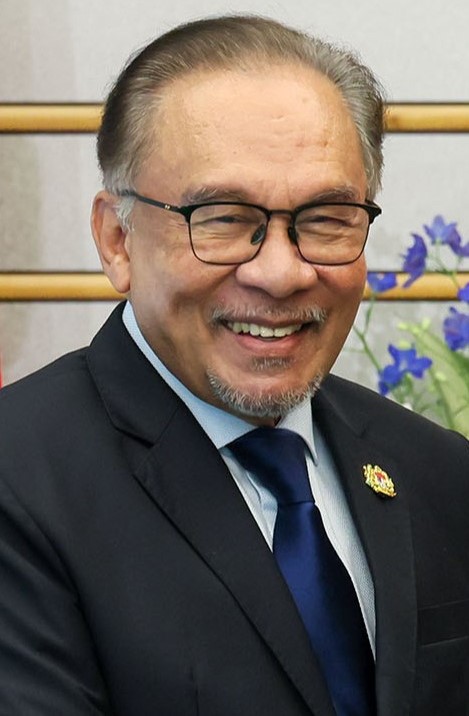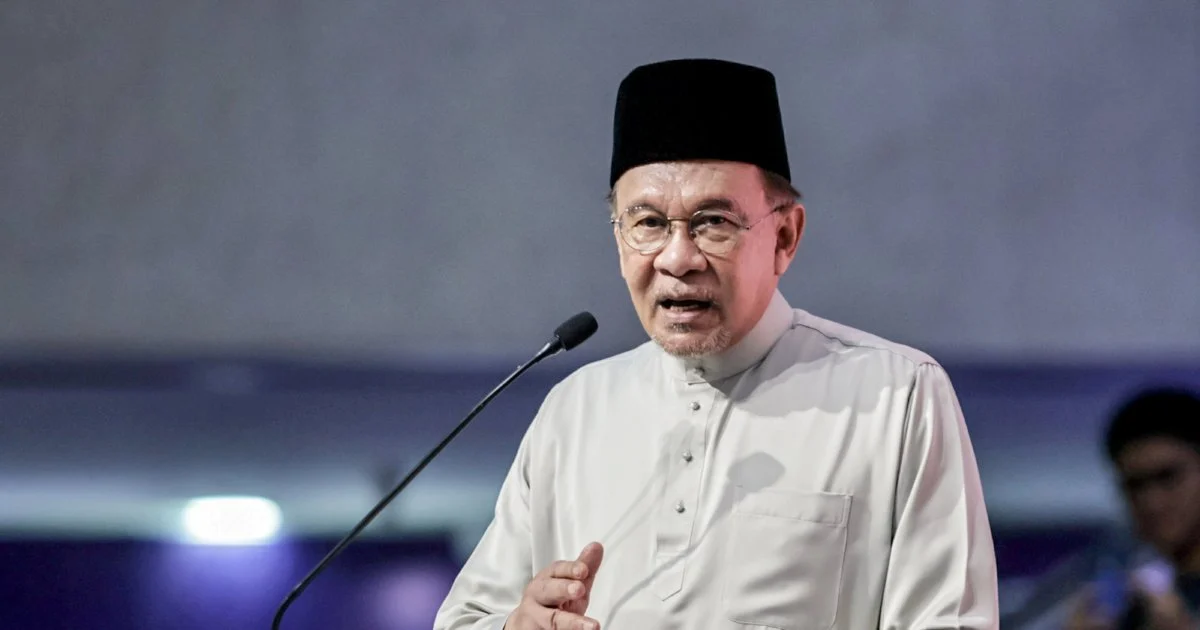
The Tunku Mahkota of Johor, Tunku Ismail Sultan Ibrahim, held an audience with Prime Minister Datuk Seri Anwar Ibrahim in Kuala Lumpur on Monday, marking what observers described as a warmly-toned diplomatic engagement between two prominent figures in Malaysia's political and constitutional hierarchy.
Accounts of the meeting characterised the interaction as notably cordial, suggesting positive relations between the federal government and one of Malaysia's most influential state-level royalty. Such engagements, while not extraordinary in the constitutional framework, carry symbolic weight in signalling alignment and mutual respect between key institutions during a period when Malaysia's political landscape has experienced considerable flux.
The Tunku Mahkota's position as heir to the Johor throne places him among the nation's most significant younger leaders within the royal establishment. His prominence has grown considerably in recent years, particularly through his active engagement on economic development and investment matters affecting his home state. The choice to grant audience to the Prime Minister underscores the ongoing importance of maintaining constructive channels between Putrajaya and Johor, a state with substantial economic and strategic significance to the federation.
Johor's relationship with the federal government carries particular consequence given the state's position as Malaysia's southernmost peninsula territory and its role as a gateway to Singapore and broader regional commerce. Recent years have witnessed the state charting independent initiatives in areas ranging from digital infrastructure to economic zones, necessitating regular coordination with federal authorities. The meeting therefore provides an opportunity to align on matters of mutual interest affecting both Johor's development agenda and national priorities.
Prime Minister Anwar Ibrahim's administration, which has pursued policies emphasising stakeholder engagement and institutional cooperation, appears to be prioritising regular interaction with Malaysia's royal structure. The Federal Constitution vests considerable symbolic authority in the institution of royalty, and maintaining positive working relationships across multiple sultanates reflects political pragmatism and respect for constitutional conventions that remain central to Malaysian governance.
The descriptors applied to the meeting—cordial and harmonious—suggest absence of any underlying tensions or disputes requiring resolution. Such characterisation is noteworthy in Malaysia's constitutional context, where potential friction between different branches of authority or between federal and state-level leadership occasionally becomes public. By extension, observers may infer that Johor sees no acute conflicts with current federal policies and that the state government views the Prime Minister's administration as a functional partner in pursuing developmental objectives.
From a regional perspective, Malaysia's constitutional monarchy continues to attract international interest as a model of institutional balance within a democratic framework. The visibility of harmonious interaction between executive leadership and royal authority reinforces international perceptions of institutional stability, which has implications for investor confidence and Malaysia's competitive positioning within Southeast Asia's economic competition.
The meeting occurs within a broader context of Malaysian politics navigating post-pandemic reconstruction, economic repositioning, and internal coalitional dynamics within government. Regular engagement between Putrajaya and state-level actors, including prominent royal figures, forms part of the infrastructure through which governance challenges are addressed and consensus-building occurs across Malaysia's federal structure.
Tunku Ismail Sultan Ibrahim has become increasingly visible in discussing Johor's economic initiatives, technological advancement, and infrastructure development. His audience with the Prime Minister may facilitate discussion of specific projects or policy areas where federal-state coordination is necessary. The meeting may also provide opportunity to address broader questions affecting Johor's competitiveness and position within Malaysia's economic architecture.
The engagement also reflects the customary constitutional practice whereby the Prime Minister maintains regular contact with Malaysia's royal institutions. These interactions, conducted within established protocols and traditions, serve both ceremonial and substantive purposes in maintaining the smooth functioning of Malaysia's system of government, which relies substantially on mutual respect and institutional cooperation between different centres of authority.
For stakeholders monitoring Malaysian politics and governance, such meetings signal continuity in constitutional practice and absence of disruption to the institutional frameworks within which the country's federal system operates. The harmonious tone reported suggests that both parties view their respective roles as complementary rather than competitive, a framing that remains important for Malaysia's political stability and effective functioning of government at both federal and state levels.