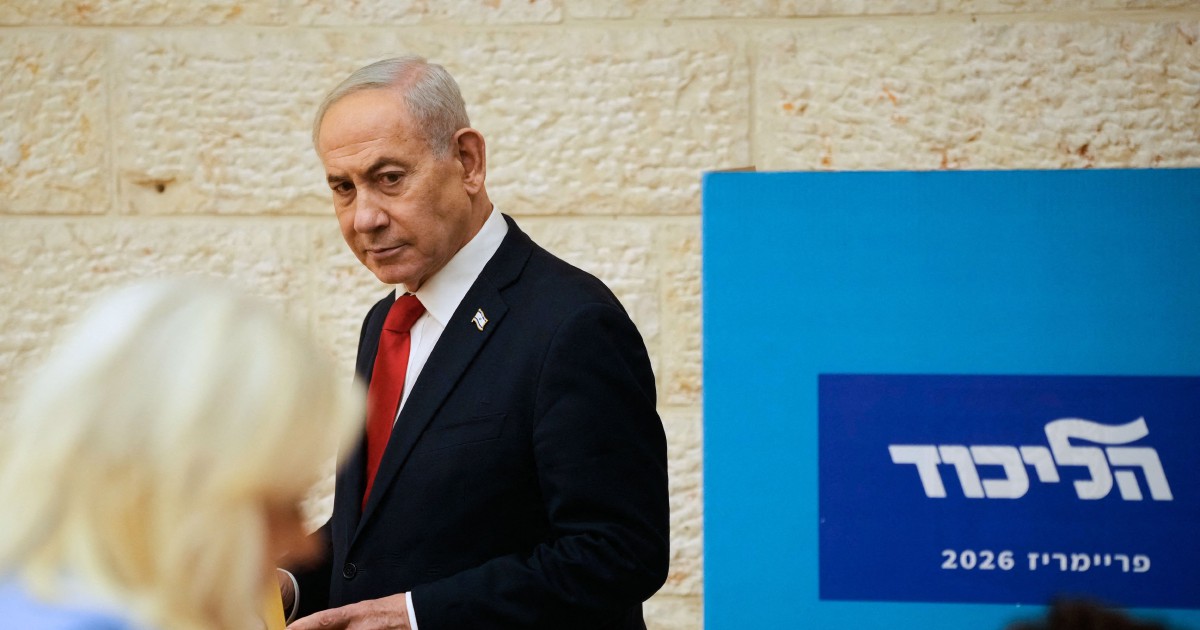
Turkey has escalated its legal action against Israel by issuing an international arrest warrant for Prime Minister Benjamin Netanyahu, Justice Minister Akin Gurlek announced Friday through social media. The warrant stems from Turkey's investigation into the Israeli military's interception of a humanitarian aid flotilla intended for Gaza, marking a significant diplomatic move that underscores the deepening tensions between Ankara and Jerusalem over the humanitarian crisis in the Palestinian territory.
The issuance of the arrest warrant represents Turkey's most formal legal challenge yet to Israeli actions regarding Gaza aid operations. By initiating an international arrest warrant—a mechanism typically coordinated through Interpol for cross-border enforcement—Turkey has signalled its commitment to pursuing accountability through legal channels rather than diplomatic channels alone. This move reflects the country's longstanding position as a vocal advocate for Palestinian rights and humanitarian access to besieged territories, a stance that has defined Turkish foreign policy across multiple administrations.
Turkey's decision comes amid broader international scrutiny of Israel's military operations and aid policies affecting Gaza. The flotilla interception, which forms the basis of the arrest warrant, taps into historical tensions between Turkey and Israel regarding maritime humanitarian missions. These incidents have become flashpoints in bilateral relations, with Turkey viewing restrictions on aid shipments as violations of international humanitarian law and collective punishment, while Israel maintains such restrictions are necessary security measures.
The announcement through Justice Minister Gurlek underscores the formal nature of the Turkish government's actions, indicating that this is not merely a rhetorical gesture but a substantive legal proceeding. The public disclosure via social media, meanwhile, demonstrates Turkey's intention to communicate its position directly to both international audiences and domestic constituents who strongly support Palestinian causes.
For Malaysia and the broader Southeast Asian region, Turkey's action carries significance beyond bilateral Turkish-Israeli relations. Many countries in Southeast Asia, including Malaysia, have similarly expressed concerns about humanitarian access to Gaza and have supported international calls for accountability regarding civilian casualties and aid restrictions. Turkey's move through formal legal mechanisms potentially provides a template or precedent that other nations sympathetic to Palestinian causes might consider in their own foreign policy responses.
The arrest warrant, if recognized by countries that honour international legal cooperation agreements, could complicate Netanyahu's international travel. However, enforcement depends heavily on whether countries choose to recognize and act upon it—a political decision that varies considerably depending on each nation's relations with Israel and its commitments to international legal frameworks. This practical limitation does not diminish the warrant's symbolic importance, which reinforces Turkey's commitment to pursuing accountability regardless of political consequences.
The investigation underlying the warrant reveals the depth of Turkish concerns regarding specific incidents involving aid operations. The flotilla interception referenced by Gurlek likely refers to a specific documented incident where Israeli forces intercepted a vessel carrying humanitarian supplies bound for Gaza. Such maritime incidents have periodically escalated tensions, particularly given Turkey's strategic position bordering multiple Middle Eastern states and its significant humanitarian presence in the region through various relief organisations.
Turkey's action also reflects the country's strategic positioning within Middle Eastern geopolitics and its role as a mediator in regional conflicts. By taking formal legal action, Turkey demonstrates that its support for Palestinian causes and humanitarian advocacy remains a consistent policy priority, even when directed against a militarily powerful state with significant Western backing. This consistency has reinforced Turkey's standing among regional actors and among populations within the Muslim-majority world who view Ankara as a principled advocate for Muslim causes.
The timing of the announcement occurs within a broader context of international legal accountability mechanisms being invoked regarding Gaza-related incidents. Various courts and international bodies have examined Israel's military operations and aid policies, with Turkey's arrest warrant adding another layer to these legal processes. Whether this warrant leads to formal prosecution or serves primarily as a statement of Turkey's legal and political position remains to be seen, though either outcome carries implications for how states view their responsibilities regarding humanitarian access during conflicts.
For observers in Malaysia and Southeast Asia, Turkey's actions demonstrate how countries can employ formal legal mechanisms as tools of diplomatic pressure and moral accountability, even when enforcement faces significant practical obstacles. The move also highlights the persistent global divisions regarding the Gaza conflict, with countries choosing to take increasingly formal positions based on their humanitarian and political priorities.

