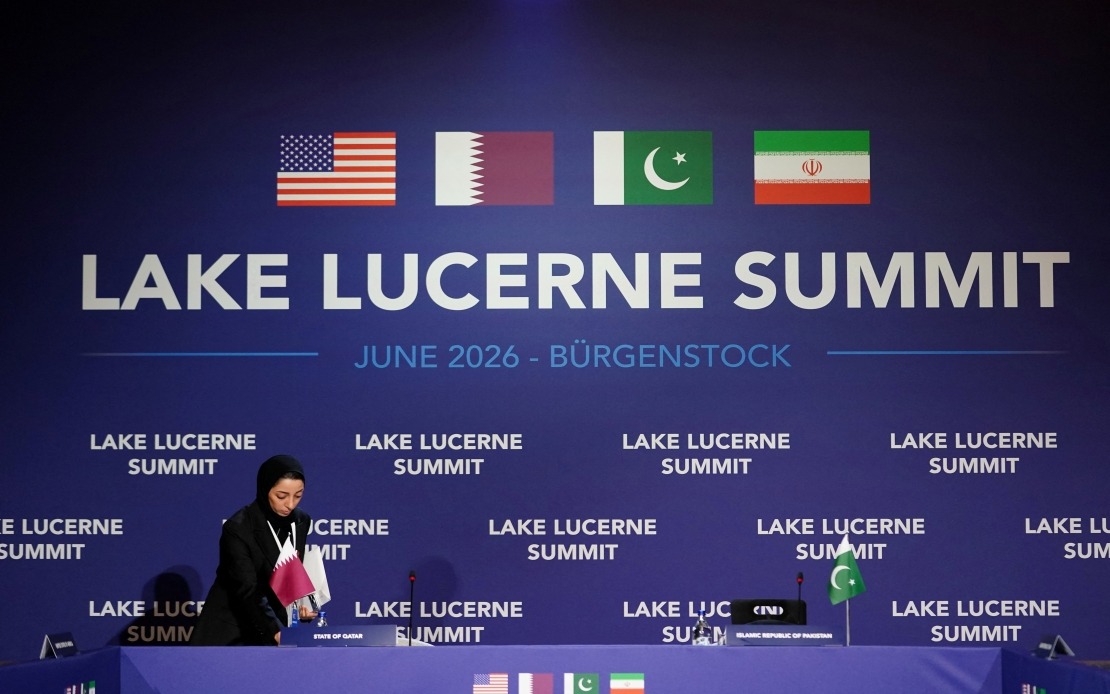
Four prominent regional powers have thrown their collective weight behind a freshly signed agreement between the United States and Iran, signalling tentative international support for efforts to de-escalate mounting tensions across West Asia. Foreign ministers representing Türkiye, Egypt, Pakistan and Saudi Arabia issued a joint statement on Sunday following talks in Cairo, characterising the Islamabad Memorandum of Understanding as a pivotal development that opens pathways toward constructive dialogue on long-standing disputes. The endorsement carries particular significance given that these nations collectively represent substantial diplomatic influence across the Islamic world and hold varied strategic relationships with both Washington and Tehran.
The ministerial statement frames the accord not merely as a bilateral achievement between two adversarial powers, but rather as a development with ramifications extending well beyond diplomatic niceties. The four countries explicitly noted that the agreement addresses risks threatening regional security and stability, while simultaneously protecting critical global infrastructure including energy markets, international shipping routes that constitute lifelines for global commerce, and worldwide supply chains that remain fragile in the post-pandemic era. This framing reflects genuine concern among Middle Eastern and South Asian governments that escalating US-Iran tensions could trigger economic disruptions affecting their own populations and development agendas, particularly given volatile energy prices and their dependence on uninterrupted trade flows.
Pakistan's role in facilitating negotiations received particular commendation from the assembled ministers, underscoring Islamabad's evolving position as a constructive diplomatic mediator in regional disputes. The statement specifically highlighted Pakistan's organisational contributions to the negotiation process, a recognition that enhances the country's standing as a responsible actor committed to regional stability despite its own complex history with Iran. Qatar's supporting role in the mediation effort was similarly praised, reflecting the small Gulf state's reputation for behind-the-scenes diplomatic engagement and its capacity to maintain working relationships across ideological and geopolitical fault lines that divide other regional actors.
The foreign ministers stressed that the current agreement represents merely an initial breakthrough, characterising it as a beginning rather than a conclusion to the broader normalisation process. They collectively urged all parties to move expeditiously toward subsequent negotiation phases focused on establishing comprehensive, verifiable and mutually acceptable settlements addressing the full scope of remaining disagreements between Washington and Tehran. This cautious optimism acknowledges that preliminary memoranda, while symbolically important, often encounter implementation challenges as negotiators confront technical complexities and domestic political pressures in their respective capitals.
Crucially, the four nations inserted explicit language protecting the security interests of Gulf Cooperation Council states and Levantine countries, ensuring that any future bilateral arrangements between the US and Iran do not proceed at the expense of smaller regional actors. This stipulation reflects legitimate anxieties among Gulf monarchies and other regional governments that great power negotiations might sideline their concerns or produce outcomes disadvantageous to their strategic positions. By placing this requirement prominently in the statement, the four ministers signalled that any viable regional settlement must accommodate the security architecture preferences of existing regional powers, not simply reflect accommodations between Washington and Tehran.
The joint statement devoted considerable emphasis to the Palestinian question, identifying Israeli-Palestinian conflict resolution as a foundational prerequisite for achieving durable peace across West Asia. The ministers reaffirmed commitment to establishing an independent Palestinian state within 1967 borders with East Jerusalem designated as its capital, positions grounded in long-established Arab League consensus and multiple United Nations resolutions. This insertion reflects broader efforts by moderate Arab states to link regional security discussions with the Palestinian issue, ensuring that diplomatic progress on one front does not come at the cost of frozen progress on another deeply felt cause among Arab and Muslim populations.
For Malaysian policymakers and regional observers, this four-nation statement carries instructive implications regarding emerging patterns of diplomatic coordination among influential Muslim-majority nations. The alignment of Türkiye, Egypt, Pakistan and Saudi Arabia suggests growing recognition that regional stability requires coordinated approaches transcending bilateral grievances or competing spheres of influence. Malaysia, which maintains its own relationships across the regional spectrum while championing Muslim unity through forums like the Organisation of Islamic Cooperation, can observe how these established players are attempting to construct consensus frameworks that accommodate diverse interests while advancing shared objectives around security and prosperity.
The endorsement also illuminates how nations with significant economic exposure to West Asian volatility are prioritising de-escalation regardless of their strategic relationships with specific powers. Egypt and Saudi Arabia, as crucial regional powers with direct stakes in Gulf security, appear willing to legitimise US-Iran negotiations if such engagement genuinely reduces risks of military confrontation that could disrupt energy supplies or provoke broader conflicts. Pakistan's participation similarly reflects its interest in a stable regional environment conducive to economic development and its own efforts to normalise ties with Iran despite historical tensions. This pragmatic calculus suggests that even competing regional powers recognise mutual interests in preventing escalation toward devastating conflict scenarios.
The statement's careful language regarding future negotiations demonstrates sophisticated diplomatic drafting aimed at pleasing multiple audiences simultaneously. By welcoming the initial agreement while emphasising verification requirements, security guarantees for other states, and continued Palestinian focus, the four ministers attempted to position themselves as responsible stakeholders supporting constructive engagement without appearing to endorse arrangements potentially disadvantaging their own interests or broader Muslim-world constituencies. This balancing act reflects the genuine complexity of West Asian diplomacy, where symbolic gestures matter alongside substantive commitments, and where maintaining credibility with domestic audiences remains essential alongside international positioning.
Looking forward, the degree to which this four-nation consensus actually translates into coordinated regional diplomacy will significantly influence West Asian trajectory over coming months and years. If Türkiye, Egypt, Pakistan and Saudi Arabia maintain unified pressure supporting continued US-Iran negotiations while insisting on appropriate security measures and Palestinian progress, they could substantially shape outcomes. Conversely, if competing interests or shifting circumstances cause this alignment to fragment, the diplomatic momentum may dissipate. For Southeast Asian nations like Malaysia maintaining active engagement across Middle Eastern relationships, closely monitoring this four-nation coordination provides valuable indicators regarding where regional power brokers believe their interests lie and what diplomatic strategies they consider most likely to advance stability and prosperity across the increasingly interconnected global system.
%22%2F%3E%3C%2Fpattern%3E%3C%2Fdefs%3E%3Crect%20width%3D%22100%25%22%20height%3D%22100%25%22%20fill%3D%22url(%23ph24037g)%22%2F%3E%3Crect%20width%3D%22100%25%22%20height%3D%22100%25%22%20fill%3D%22url(%23ph24037p)%22%2F%3E%3Ctext%20x%3D%2250%25%22%20y%3D%2250%25%22%20text-anchor%3D%22middle%22%20dominant-baseline%3D%22central%22%20fill%3D%22rgba(255%2C255%2C255%2C0.95)%22%20font-family%3D%22Georgia%2C%20'Times%20New%20Roman'%2C%20serif%22%20font-weight%3D%22700%22%20font-size%3D%22320%22%20letter-spacing%3D%22-0.02em%22%3EIran%3C%2Ftext%3E%3C%2Fsvg%3E)
%22%2F%3E%3C%2Fpattern%3E%3C%2Fdefs%3E%3Crect%20width%3D%22100%25%22%20height%3D%22100%25%22%20fill%3D%22url(%23ph1r7fsg)%22%2F%3E%3Crect%20width%3D%22100%25%22%20height%3D%22100%25%22%20fill%3D%22url(%23ph1r7fsp)%22%2F%3E%3Ctext%20x%3D%2250%25%22%20y%3D%2250%25%22%20text-anchor%3D%22middle%22%20dominant-baseline%3D%22central%22%20fill%3D%22rgba(255%2C255%2C255%2C0.95)%22%20font-family%3D%22Georgia%2C%20'Times%20New%20Roman'%2C%20serif%22%20font-weight%3D%22700%22%20font-size%3D%22320%22%20letter-spacing%3D%22-0.02em%22%3EIran%3C%2Ftext%3E%3C%2Fsvg%3E)