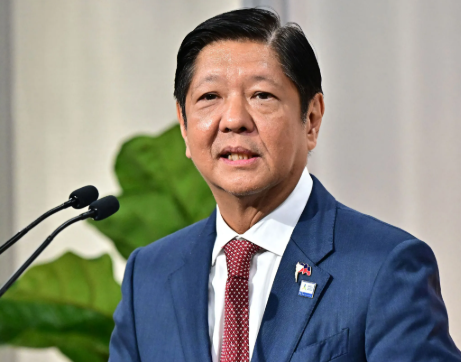
The Philippine capital erupted into high alert on Monday morning when a homemade explosive device detonated just after midnight outside the Department of Justice, sending shockwaves through the city's administrative district. The blast, which fortunately claimed no lives, marked a troubling security breach mere hours before President Ferdinand Marcos was scheduled to deliver his annual State of the Nation address. The timing and nature of the incident immediately triggered concerns about a coordinated effort to disrupt the country's most significant political event of the year.
Official investigations quickly identified the weapon as a crude improvised explosive device, with National Police Chief Jose Melencio Nartatez Jr acknowledging to journalists that security protocols had somehow failed. The police chief's candid admission that "something got past us and exploded in front of the Department of Justice" underscored the vulnerability of even heavily secured government facilities in the Philippine capital. While authorities maintained contingency plans for various security threats, including bomb scares and actual detonations, the early morning blast demonstrated gaps in their protective perimeter around critical installations.
The scale of the explosion remained unclear during initial investigations, with Manila police spokesman Philipp Ines repeatedly deflecting inquiries about the device's destructive capacity. Photographs circulated by Philippine media outlets showed a cracked vehicle windshield and scattered debris at the scene, suggesting a relatively contained but nonetheless functional explosive charge. The lack of immediate clarity on blast magnitude reflected the ongoing forensic analysis required to determine the device's composition and construction, information critical to establishing motive and potential perpetrators.
Less than eight hours after the justice ministry explosion, security personnel discovered a second suspected bomb positioned on a street directly adjacent to the Philippine Senate building. A tow truck driver spotted the suspicious package just before 8:30 in the morning and promptly alerted nearby security officers to the potential threat. Bomb disposal specialists were rapidly deployed to the location, where they carefully recovered materials from the scene including a blasting cap, a clock mechanism likely intended as a timer, and a glass jar containing unidentified brown powder destined for laboratory analysis.
National Police Chief Nartatez Jr expressed conviction that the two incidents were not coincidental, telling reporters there existed "a big possibility or probability that the two are related." The proximity of the discoveries in both time and location—occurring within the government district's confines and separated by mere hours—suggested potential coordination. Regional police spokeswoman Hazel Asilo refused to speculate on what damage the Senate device might have inflicted had it detonated, maintaining the investigative discipline appropriate to an ongoing security matter.
The twin incidents occurred against a backdrop of unusual political turbulence within the Philippine government. Vice President Sara Duterte, who represents a significant political force within the administration's coalition, was embroiled in an active impeachment proceeding at the time of the bombings. This constitutional crisis, combined with mounting public anger over a separate scandal involving fraudulent flood control infrastructure projects, had created an atmosphere of heightened tension and fractious political relations among the country's leadership.
The State of the Nation address itself carries substantial political weight in the Philippine system, serving as the primary occasion when the sitting president communicates directly with Congress and the nation about governmental priorities, achievements, and policy directions. Traditionally delivered in July, the address receives widespread media coverage and is closely watched by international observers as a barometer of governmental stability and the administration's legislative agenda. Security preparations for such events typically involve extensive coordination among multiple law enforcement agencies, intelligence services, and specialist units responsible for threat detection and prevention.
For Malaysian observers and broader Southeast Asian audiences, the Manila bombings highlight the persistent security challenges confronting governments across the region, even those controlling significant law enforcement resources. The Philippines faces recurring threats from various extremist and criminal organizations, ranging from Islamic State-affiliated groups operating in Mindanao to communist rebel movements and ordinary criminal enterprises. The capacity of determined actors to manufacture crude but functional explosive devices, combined with the difficulty of securing sprawling government complexes in capital cities, presents an enduring challenge to national security in democratically governed nations where mobility and access cannot be utterly restricted.
The investigation into both devices would inevitably focus on determining whether the bombs represented a genuine assassination attempt or assassination threat against political figures, a symbolic gesture of protest against the current administration, or an opportunistic criminal enterprise unrelated to the week's political developments. Forensic evidence from the recovered components—the blasting cap, timing mechanism, and powder residue—would prove crucial in constructing investigative leads. The sophistication level of the devices, their intended targets, and any evidence of planning or coordination could point investigators toward either organized extremist networks or disaffected individuals motivated by the administration's current political difficulties.
The discovery of the Senate device before detonation, achieved through alertness of ordinary civilians rather than pre-positioned security surveillance, underscored how often national security depends on public vigilance as much as official apparatus. The tow truck driver's quick thinking in contacting authorities represented the kind of community engagement that security strategists emphasize as essential to preventing attacks in open democratic societies where complete surveillance remains neither feasible nor desirable.
Philippine authorities would face considerable pressure to deliver swift investigative results addressing both the public's safety concerns and international partners' expectations regarding security in the capital region. The incidents threatened to overshadow Marcos's address, potentially forcing the president to devote remarks to security matters rather than his intended policy announcements. For a newly consolidated administration still establishing its security credentials following the previous Duterte presidency, the bombing incidents represented a significant early test of governmental competence in maintaining public order.

