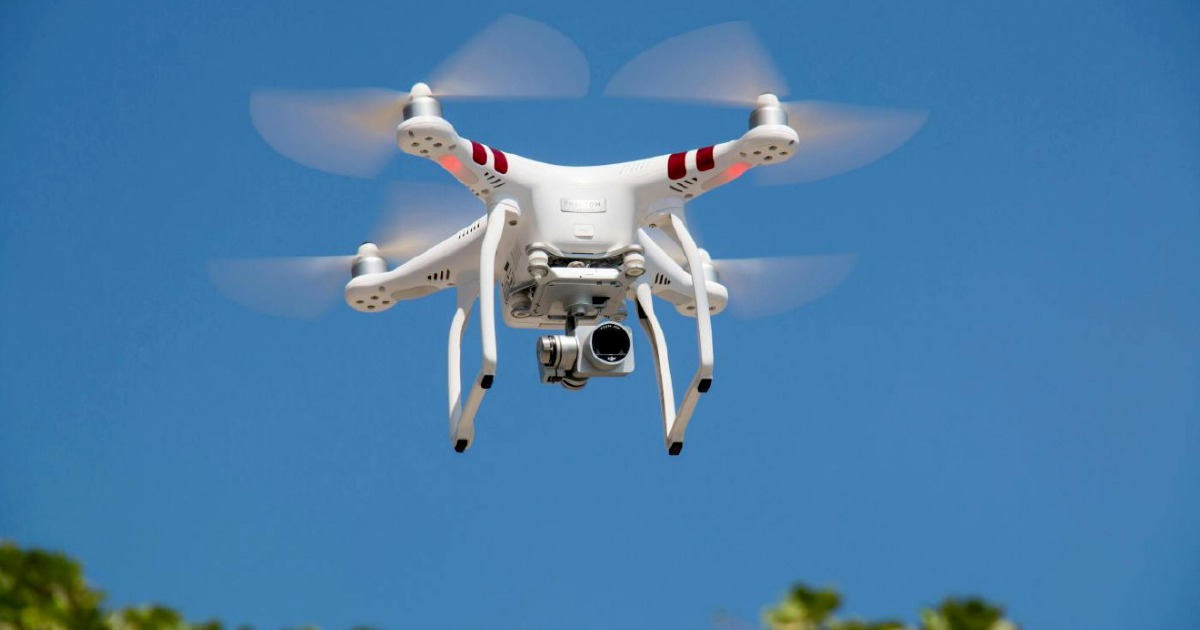
Law enforcement authorities in Melaka have arrested two suspects implicated in an audacious scheme to smuggle tobacco products into Sungai Udang Prison using drone technology. Police raided a residential property located in Taman Kris Satria, Sungai Udang, on Wednesday as part of their investigation into the alleged smuggling operation. The arrests represent a significant development in ongoing efforts by Malaysian law enforcement to combat contraband trafficking into correctional facilities, a persistent challenge faced by prison authorities across the country.
The operation highlights an increasingly sophisticated approach adopted by those seeking to supply prohibited items to inmates. Rather than relying on traditional methods of contraband delivery—such as hiding items within visitor packages, concealing goods in food deliveries, or enlisting corrupt staff members—the alleged perpetrators leveraged unmanned aerial vehicle technology to circumvent physical security barriers. Drones present particular challenges for prison security protocols, as they can bypass perimeter fences and surveillance systems that have been designed primarily to detect ground-level threats.
Tobacco products remain one of the most sought-after contraband items within Malaysian penal institutions, functioning as a de facto currency among the inmate population. The high demand reflects both the addictive nature of nicotine and the significant markup that illicit tobacco commands within prison economies, where access to legitimate supplies is restricted. Tobacco smuggling operations typically involve coordinated external accomplices who profit substantially from each successful delivery, making such activities economically motivated organised crime rather than isolated incidents.
The Sungai Udang Prison facility, located in Melaka, serves as one of Malaysia's regional correctional centres. Like other prisons within the Malaysian Correctional Services system, it has implemented multiple layers of security designed to prevent unauthorised entry and movement of contraband. However, the emergence of drone-based smuggling attempts suggests that prison security frameworks may require reassessment and upgrading to address technological vulnerabilities that traditional security measures were not designed to counter.
Law enforcement's swift response to this particular incident demonstrates enhanced vigilance and intelligence gathering capabilities within the prison administration network. The fact that authorities were able to detect and act upon information regarding the smuggling plot before successful delivery occurred indicates coordination between investigative units and correctional facility management. Such proactive interventions are critical to maintaining institutional security and preventing the proliferation of prohibited items that can destabilise prison order and facilitate further illegal activities.
The investigation into this case will likely generate valuable intelligence regarding broader smuggling networks operating within Melaka and neighbouring states. Each arrest and interrogation potentially reveals connections to larger criminal organisations that orchestrate multiple smuggling operations across various prison facilities. Understanding these networks is essential for developing comprehensive counter-smuggling strategies that target not merely individual participants but the organisational structures that profit from such activities.
From a security perspective, the use of drone technology in prison contraband operations raises important questions about Malaysia's preparedness for emerging technological threats. Other Commonwealth nations and developed countries have similarly encountered drone-based smuggling attempts, leading to implementation of jamming systems, drone detection technology, and revised perimeter protocols. Malaysian prison authorities may need to evaluate similar defensive measures to effectively address this emerging vulnerability.
The broader context of prison contraband smuggling reflects systemic challenges within Malaysian correctional facilities. High inmate populations, limited resources, and the economic motivations driving smuggling operations create persistent supply-demand dynamics that individual enforcement actions, while important, cannot entirely eliminate. Comprehensive solutions require sustained investment in security infrastructure, staff training, intelligence gathering, and addressing underlying factors that make imprisoned individuals susceptible to contraband utilisation.
For Malaysian readers, this case underscores the ongoing efforts by law enforcement and prison authorities to maintain security within the penal system. The successful intervention demonstrates that despite emerging challenges, current detection and response capabilities remain functional. However, the sophistication of the attempted operation also serves as a reminder that organised crime networks continuously adapt their methods, requiring equivalent adaptation and investment in security responses.
The two arrested individuals now face investigation and potential prosecution under relevant legislation governing prison contraband smuggling and unauthorised drone operations. Successful prosecution of such cases requires careful evidence collection and documentation, ensuring that legal proceedings proceed smoothly through Malaysia's courts. The outcomes of these cases typically establish precedents regarding sentences and penalties for drone-based smuggling operations, guiding future enforcement actions.
Moving forward, this incident will likely prompt reviews of security protocols not only at Sungai Udang Prison but potentially across the broader Malaysian Correctional Services network. Authorities will assess whether additional training, technological upgrades, or procedural modifications are necessary to prevent similar attempts. Inter-agency cooperation between police, prison authorities, and other relevant agencies will remain essential for developing cohesive responses to evolving smuggling methodologies.

