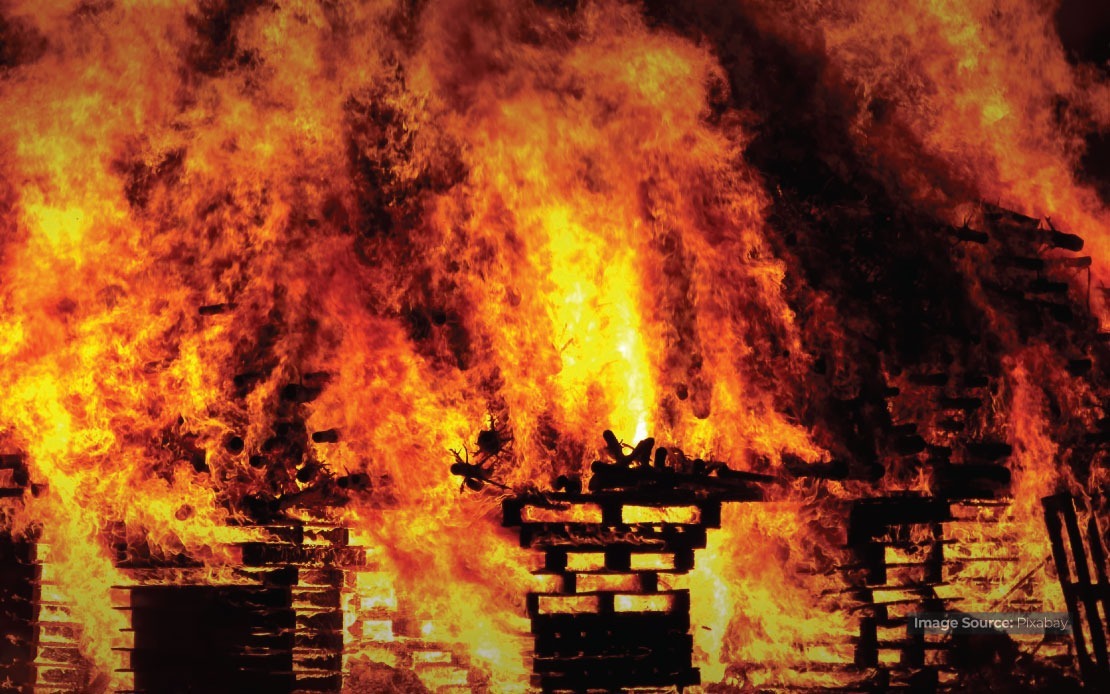
A devastating fire engulfed a residential building in Schaerbeek, within the Brussels-Capital Region, in the early hours of Sunday, resulting in two fatalities and eight individuals requiring hospital treatment. The Brussels Fire Brigade and municipal authorities confirmed the incident following a rapid emergency response that mobilised multiple services across the region to contain the blaze and assist those affected.
Among the eight injured, two sustained serious injuries that necessitated immediate medical intervention. All victims were transported to various medical facilities throughout the Brussels-Capital Region, where they remain under professional care. The rapid evacuation of residents from the affected building prevented what could have been a significantly higher casualty toll, highlighting the effectiveness of the emergency services' coordinated response to the crisis.
The specific origin and mechanisms behind the fire remain unclear at this stage. The public prosecutor's office has assumed oversight of the investigation, deploying a specialised laboratory team alongside an independent fire expert to conduct a thorough forensic examination of the scene. This methodical approach aims to establish the precise circumstances that led to the fire's outbreak and spread, information crucial for understanding how the tragedy occurred.
Schaerbeek's acting Mayor, Martin de Brabant, promptly declared an emergency phase at the municipal level, triggering a comprehensive mobilisation of local government resources. This administrative escalation ensured that the municipality could rapidly coordinate assistance efforts and allocate necessary personnel to address the immediate needs of those affected by the disaster.
Beyond immediate firefighting operations, the municipality and emergency services initiated a broader support framework to address the multifaceted impacts of the incident. Evacuated residents required not only temporary shelter but also psychological support to cope with the trauma of sudden displacement and loss. Authorities established facilities to house those unable to return to damaged properties while working to arrange longer-term accommodation solutions.
A joint statement from De Brabant and representatives of the Brussels Fire Brigade emphasised the collaborative nature of the relief effort. Officials stressed their commitment to delivering comprehensive assistance encompassing medical care, psychosocial counselling, and material support to all those impacted. This holistic approach reflects modern emergency management principles that recognise trauma's psychological dimensions alongside physical injury and property loss.
Schaerbeek, a densely populated municipality in the northern part of Brussels, contains numerous older residential buildings that present particular fire safety challenges. Such dense urban environments create complex evacuation scenarios and complicate firefighting operations, though the prompt emergency response on Sunday appears to have mitigated what might otherwise have become a more serious tragedy. The incident will likely prompt reviews of fire safety protocols across similar residential structures throughout the capital.
For readers across Southeast Asia, this incident underscores the importance of robust building safety standards and emergency preparedness systems. Malaysia's own rapid urbanisation and concentration of residential populations in high-rise developments demand similarly rigorous attention to fire prevention, detection systems, and evacuation procedures. The Brussels incident demonstrates how inadequate safety measures or delayed response times can transform domestic accidents into public disasters.
The investigation's findings will carry significance beyond Belgium's borders, as fire safety professionals throughout Europe and beyond monitor such incidents to refine understanding of residential fire dynamics. As European cities grapple with aging building stock and increasing population density, lessons from major incidents inform policy development and safety protocol improvements that eventually influence international best practices.
Authorities have appealed for patience as the investigation progresses, noting that definitive conclusions regarding the fire's cause may require considerable time. The involvement of specialised forensic teams suggests the prosecution's office views establishing accountability as important to both closure for victims' families and broader public safety understanding. Preliminary investigations often yield preliminary theories, but comprehensive scientific analysis provides the evidentiary foundation necessary for any subsequent legal proceedings or regulatory changes.

