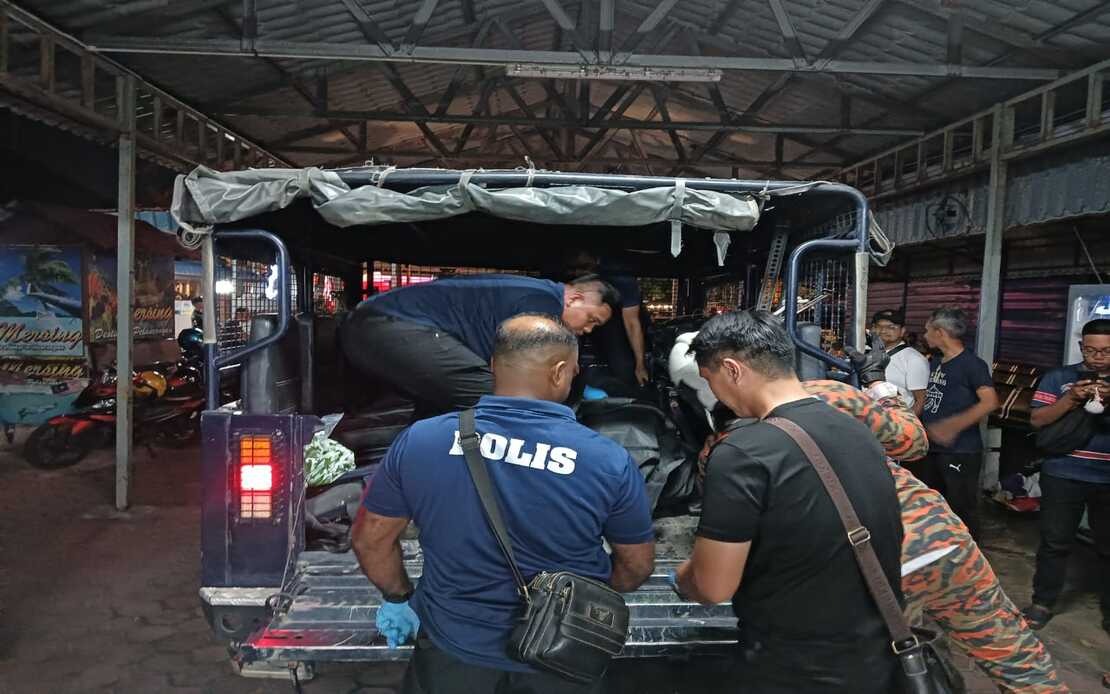
A maritime disaster unfolded off the Mersing coast on Saturday evening when two vessels collided near the Sungai Mersing estuary, resulting in two fatalities and four people requiring medical attention. The Fire and Rescue Department's Operations Control Centre received notification of the accident at 9:04 pm, prompting an immediate response from emergency personnel stationed in the area.
The Mersing Fire and Rescue Station dispatched a Fire Rescue Tender and a Fire Response Vehicle carrying nine personnel to the Mersing Jetty within minutes of the alert. Upon arrival at the scene, the operational team confirmed the collision and initiated rescue and recovery procedures. Two of those aboard the vessels were pronounced dead by attending medical personnel, while the remaining four injured survivors were transferred to medical facilities for treatment of their injuries.
Mersing District Police Chief Supt Abdul Razak Abdullah Sani acknowledged the incident and confirmed that investigations are underway to establish the circumstances leading to the collision. The police chief indicated that a comprehensive statement would be released once initial inquiries have been completed, though specific details regarding the nature of the boats, their intended destinations, and the identities of those involved remain under official review.
Boating accidents in Malaysian waters have become a periodic concern, particularly in busy commercial and tourist zones such as the Mersing area, which serves as a gateway to popular island destinations and fishing grounds. The Sungai Mersing estuary, where this incident occurred, experiences considerable vessel traffic given its proximity to fishing communities and leisure tourism activities along the Johor coast. Environmental and navigational factors, including tidal conditions and weather patterns, can significantly influence maritime safety in these waters.
The emergency response demonstrated the coordinated efforts of Malaysia's Fire and Rescue Department in managing water-based emergencies. Such incidents underscore the importance of maintaining adequate maritime safety infrastructure and personnel training across coastal regions. The department's rapid deployment to the Mersing Jetty reflected established protocols for waterborne incidents, though the tragic outcome highlights inherent risks associated with maritime activities.
For Malaysian residents and visitors engaged in boating activities, such incidents serve as sobering reminders of the necessity for proper safety equipment and adherence to navigation regulations. Life jackets, communication devices, and vessel maintenance standards are critical components of maritime safety, yet compliance across all vessels—particularly smaller craft operating in estuary and coastal environments—remains inconsistent.
The investigation process initiated by Mersing District Police will likely focus on determining whether negligence, equipment failure, adverse weather conditions, or navigational error contributed to the collision. Establishing the sequence of events leading to impact is essential for implementing preventive measures and ensuring accountability if human factors were involved in the incident.
This incident occurs amid broader regional discussions about maritime safety standards in Southeast Asia. Neighbouring countries including Thailand, Indonesia, and the Philippines regularly report boat accidents with casualties, prompting calls from international maritime organisations for enhanced safety protocols and enforcement mechanisms. Malaysia's maritime authorities must balance economic interests in fishing and tourism sectors with rigorous safety oversight.
The emotional and practical consequences for families affected by the collision extend beyond immediate losses. Johor's maritime communities often depend on fishing and water-based employment, creating ripple effects through local economies when accidents claim lives or render individuals incapacitated. Survivor rehabilitation and family support mechanisms remain important considerations in disaster management and social welfare planning.
Authorities have not yet disclosed whether the vessels involved were commercial fishing boats, tourist transport vessels, or recreational watercraft, each category carrying distinct regulatory requirements and safety standards. The investigation's findings may prompt policy reviews or enforcement intensification if systematic weaknesses are identified. Moving forward, comprehensive vessel registration systems, mandatory safety inspections, and crew certification programs continue to merit governmental attention across Malaysian maritime zones.

