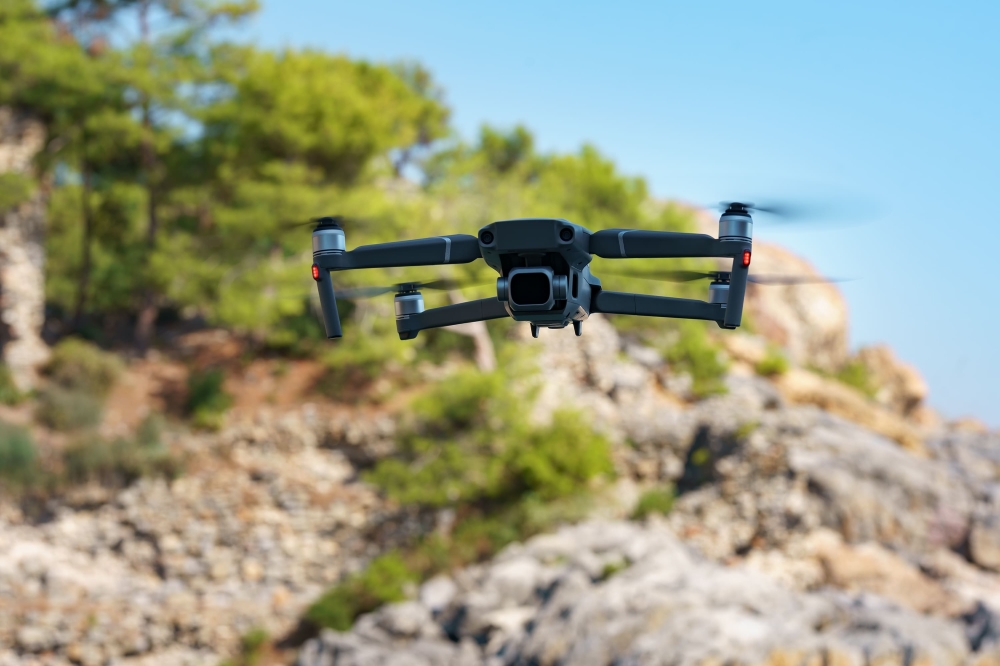
The Prisons Department has successfully thwarted an audacious smuggling operation targeting Sungai Udang Prison in Melaka, resulting in the arrest of two suspects connected to the botched delivery attempt. The incident, detected and interrupted by vigilant prison personnel, underscores the evolving methods employed by criminal networks to circumvent institutional security measures and the increasing sophistication of contraband delivery tactics within Malaysian correctional facilities.
The foiled operation represents a significant security concern for Malaysia's prison system, which has long grappled with the problem of illicit items entering custodial institutions through increasingly creative channels. Drones, with their ability to bypass physical perimeters and reach previously inaccessible areas within high-security compounds, have emerged as a preferred tool for organised smuggling operations across multiple jurisdictions. This incident at Sungai Udang demonstrates that Malaysian prisons are not immune to such technological circumvention strategies, prompting authorities to reassess their defensive capabilities against unmanned aerial systems.
The specifics of the contraband remain under investigation, though officials typically express concern about drugs, mobile telephones, and weaponry being smuggled into prisons. These items facilitate internal trafficking networks, enable inmates to orchestrate activities from behind bars, and compromise the fundamental security architecture of the institution. The ability to maintain communication channels with the outside world through illicit mobile devices particularly threatens operational integrity, as it allows incarcerated individuals to coordinate criminal enterprises and potentially direct harmful activities within prison walls or in surrounding communities.
The Prisons Department's capacity to detect and neutralise this smuggling attempt demonstrates that custodial security protocols remain sufficiently responsive to identify unusual aerial activity near facility perimeters. However, the very occurrence of such an attempt indicates that criminal elements continue to view Malaysian prisons as vulnerable to drone-based delivery systems. This recognition necessitates a comprehensive review of anti-drone technologies and detection methodologies that could be systematically deployed across other high-security correctional institutions throughout the country.
Malaysia's correctional system oversees tens of thousands of inmates across multiple facilities, creating significant management challenges. Sungai Udang Prison, one of the nation's major custodial facilities, operates under constant pressure to maintain order while accommodating its prison population. Security breaches, even those prevented, signal to both inmates and external criminal networks that vulnerabilities exist. The psychological impact of such incidents extends beyond the immediate facility, influencing inmate behaviour and potentially emboldening further smuggling attempts across the broader prison estate.
The arrest of the two individuals involved in this operation will likely trigger investigations into the broader network supporting the smuggling enterprise. Authorities typically examine financial transactions, communications records, and connections between the detained suspects and incarcerated individuals who may have commissioned the operation from within the prison. Such investigations frequently reveal complex organisational structures extending beyond the prison walls, involving multiple parties from coordination and financing through to on-ground execution of smuggling attempts.
This incident occurs within a regional context of escalating prison security challenges. Neighbouring countries have reported similar drone-based smuggling attempts, suggesting either a coordinated approach across Southeast Asia or the independent emergence of this tactic among various criminal enterprises. The cross-border nature of organised crime means that methodologies successful in one jurisdiction rapidly proliferate to others, creating a need for enhanced inter-agency and international cooperation to develop counter-drone protocols and share intelligence regarding smuggling networks.
The Prisons Department's response will likely include strengthened perimeter monitoring, upgraded detection systems, and revised procedures for identifying and responding to drone activity near facilities. Enhanced staff training programmes may be implemented to ensure all personnel can recognise suspicious aerial activity and report it through proper channels. Additionally, authorities may consider deploying technological countermeasures, including jamming devices or specialised anti-drone systems, to neutralise threats before contraband can be delivered.
From a broader governance perspective, this incident highlights the resource implications of maintaining modern, secure custodial facilities in an era of advancing technology. Criminal networks continually innovate, adopting cutting-edge tools to penetrate security systems, while correctional authorities operate under budgetary constraints that may limit their ability to acquire and maintain equally sophisticated defensive technologies. The successful prevention of this smuggling attempt demonstrates that current protocols remain partially effective, yet the underlying vulnerability persists and demands ongoing strategic attention.

