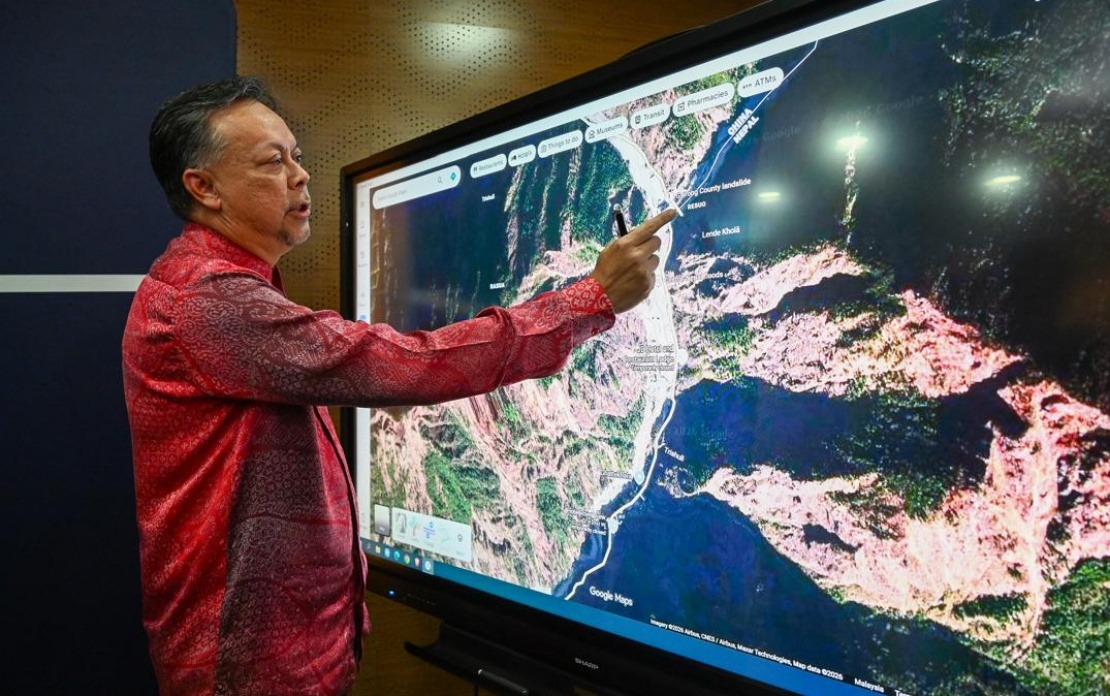
Malaysia's Foreign Ministry has successfully traced two of the 57 Malaysians reported missing following devastating flash floods and landslides in Nepal, though 55 remain unreachable. Deputy Secretary-General for Bilateral Affairs Datuk Syed Mohamad Hasrin Tengku Hussin confirmed the breakthrough on Wednesday, cautioning that the identities and status of the two individuals were still undergoing cross-verification to ensure accuracy and prevent duplication in the growing list of unaccounted citizens.
The catastrophic weather event struck Nepal's Rasua district on August 26 when the Bote Koshi River overflowed, devastating communities across the mountainous region. The disaster has claimed numerous lives and displaced thousands, with Nepalese authorities confirming that rescue teams have so far pulled 528 people to safety—490 Nepalese nationals and 38 foreigners. Critically, no Malaysians have yet been identified among those rescued, intensifying concerns for the missing citizens and their families back home.
The verification process for the two located Malaysians exemplifies the complications confronting rescue and recovery efforts in the region. Officials must confirm each individual's identity, precise location, and current welfare status through cross-checking with records maintained by Nepalese authorities and Malaysia's internal databases. This meticulous approach, while time-consuming, prevents families from receiving incorrect information and ensures resources are directed toward those genuinely in need of assistance.
The actual figure of 55 unreachable Malaysians remains provisional, subject to ongoing verification as information flows from multiple sources including Nepalese government agencies, Tourism Malaysia, tour operators, and concerned family members. This uncertainty underscores the chaos that engulfs disaster zones, where communication networks lie shattered and precise casualty or missing-person counts remain elusive for days or weeks following major incidents.
Nepal's infrastructure has been severely compromised, with critical roads and bridges destroyed or rendered impassable by the floodwaters. Electricity and telecommunications networks lie in ruins across the affected Rasua district, dramatically hampering both rescue operations and the collection of reliable information about stranded foreigners and nationals. This infrastructure collapse has effectively isolated affected communities, making search and rescue missions extraordinarily difficult and slowing the dissemination of vital information.
Recognizing the urgency of the situation, Foreign Minister Datuk Seri Mohamad Hasan has directed the Foreign Ministry to intensify tracking operations and enhance coordination with Nepalese counterparts. In response, an official from Malaysia's High Commission in Dhaka has been stationed in Kathmandu to reinforce the Malaysian Embassy's stretched capacity. This reinforcement is proving essential as the embassy coordinates with Nepal's Foreign Ministry emergency response team, the Nepal Tourism Board, and local tour operators to systematically gather and verify data on missing Malaysians.
The Malaysian Embassy's efforts are further complicated by the scale of Nepal's own humanitarian crisis. Nepalese authorities are simultaneously managing massive search and rescue operations targeting their own citizens while grappling with destroyed infrastructure, ongoing landslide risks, and the potential for further water overflow from border areas. This dual pressure has constrained resources available for assisting foreigners, a reality officials candidly acknowledged when describing the situation as severe and unpredictable.
In Putrajaya, Malaysia's Foreign Ministry has activated a 24-hour operations room to serve as the central coordination hub for all information gathering and family liaison efforts. The room functions as an information crossroads, receiving calls from anxious relatives and friends seeking updates on loved ones believed to be in Nepal. Each incoming report must undergo rigorous cross-verification against Nepalese authority lists and ministry records—a labour-intensive process that consumes considerable resources but is deemed essential to accuracy and preventing panic from misinformation.
During the first few hours after activation, the operations room fielded between 12 and 15 calls from Malaysians seeking information about relatives potentially caught in the disaster zone. This volume suggests that many Malaysian tourists and residents were in Nepal at the time of the flooding, either through organized tour groups or independent travel. The geographic proximity of Nepal to Malaysia's key tourism markets in Southeast Asia, combined with its popularity as a trekking and adventure destination, means Malaysian visitors are present in significant numbers during peak seasons.
The Foreign Ministry's call for coordinated information reflects the challenge of matching missing-person reports against fragmentary data from chaotic disaster zones. Officials are requesting that family members provide comprehensive details including full names, passport numbers, travel itineraries, last known locations, and active contact phone numbers. This specificity enables officials to cross-reference reports against passenger manifests from tour operators, hotel records, and information gathered from Nepalese rescue teams working in the affected areas.
Weather conditions continue to obstruct rescue and verification efforts, with ongoing precipitation threatening additional landslides and flooding in mountainous terrain. The combination of damaged bridges, severed roads, and deteriorating weather creates a compounding crisis that stretches the capacity of rescue teams and slows the pace at which missing persons can be located and evacuated. Nepalese authorities have issued warnings regarding the risk of water overflow from border areas, potentially affecting communities further downstream and complicating an already dire humanitarian situation.
For Malaysian families with information about relatives in Nepal, the Foreign Ministry has established multiple contact channels: the Putrajaya Operations Room telephone line at +603 8887 4570 and email at [email protected]. These channels remain open continuously to receive reports, cross-reference information, and provide updates to concerned relatives. Officials have emphasized that any piece of information, however fragmentary, can prove valuable in narrowing search areas or confirming a missing person's status.
The incident highlights the vulnerabilities facing citizens when natural disasters strike countries where Malaysia maintains consular operations. While the Foreign Ministry's rapid activation of emergency protocols and deployment of additional personnel demonstrate institutional preparedness, the fundamental constraints imposed by Nepal's infrastructure collapse and the sheer scale of the humanitarian crisis mean that locating and assisting missing Malaysians will remain a protracted, challenging operation requiring sustained international cooperation and resource commitment.

