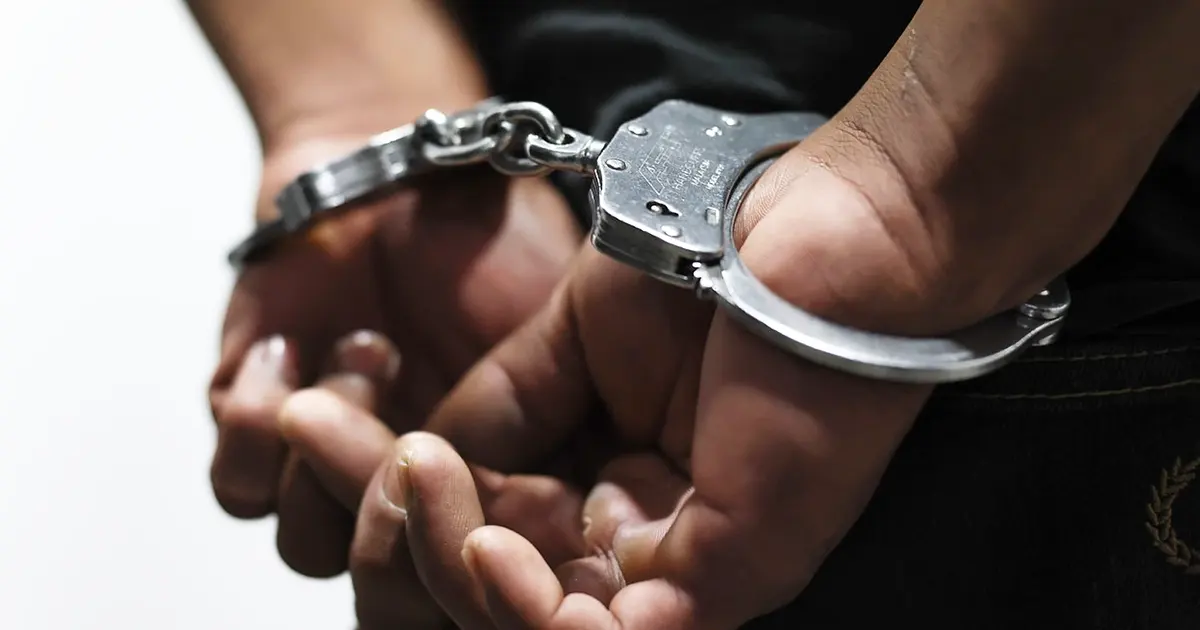
Two men are in police custody after their friend was shot and killed during what investigators believe was an accident on a hunting trip. The discovery has triggered a significant inquiry into the circumstances surrounding the death, with law enforcement focusing on how the incident occurred and why the body was subsequently hidden.
According to police statements, the victim was fatally wounded during the expedition, and the two arrested individuals are suspected of having fired the shot that killed their companion. Rather than reporting the incident to authorities, the pair allegedly responded to the tragedy by removing and concealing the body, an action that has become central to the investigation. This decision to hide evidence has complicated the initial assessment of what transpired and raised questions about the circumstances that led them to take such measures.
The investigation reveals a sequence of events marked by panic and poor judgment in the aftermath of the shooting. When confronted with the reality of their friend's death, the two men apparently opted for concealment instead of seeking emergency assistance or contacting law enforcement. This choice has now become a significant factor in the charges they face, as authorities work to establish a complete timeline of events from the moment of the shooting through to the discovery of the body.
Hunting accidents, though comparatively rare, carry substantial legal and social consequences in jurisdictions worldwide. The manner in which individuals respond to such incidents—whether they immediately report them or attempt to conceal them—fundamentally shapes how the justice system treats the case. In this instance, the decision to hide the body appears to have transformed what might have been treated as a tragic accident into a more serious investigation involving obstruction and potentially other charges.
For Malaysian readers, this case underscores the critical importance of proper protocols and safety procedures during hunting activities. While hunting remains a lawful recreational pursuit in many areas, the responsibilities of participants are significant. Each hunter bears an obligation to others in their party to maintain awareness of positioning, weapon handling, and communication to prevent exactly these kinds of tragedies. The case also highlights that immediate, transparent reporting of incidents—regardless of how they occur—is far preferable legally and morally to any form of concealment.
The investigation process will likely examine several technical aspects of the shooting itself. Authorities will attempt to reconstruct the exact positions of all parties, the orientation of weapons, and the sequence of events that culminated in the fatal discharge. Forensic evidence, witness statements from the two arrested men, and physical evidence from the scene will all contribute to establishing whether the shooting was truly accidental or whether negligence, recklessness, or intent played a role. Police will also investigate what specific circumstances prompted the suspects to hide the body rather than seek help.
The legal implications for the arrested men extend beyond potential murder or manslaughter charges. By allegedly concealing the body and the circumstances of death, they may face additional charges related to obstruction of justice, tampering with evidence, or failing to report a death. These secondary offences can sometimes carry sentences as severe as those related to the death itself, depending on the jurisdiction and the specifics of local law. Their legal defence will need to address both the nature of the shooting and their subsequent actions.
This incident also raises broader questions about hunting culture and responsibility within communities where such activities are common. Hunting groups and organisations typically emphasize strict safety protocols, mandatory training, and the use of appropriate protective equipment. The apparent failure of safety measures in this case—whether through negligence, overconfidence, or simple human error—serves as a sobering reminder that even experienced hunters can make fatal mistakes. It underscores why hunting requires constant vigilance and why shortcuts in safety procedures can have devastating consequences.
The family of the deceased now faces the dual tragedy of losing a loved one and discovering that his final moments were complicated by the subsequent concealment of his body. The inability to report the death immediately denied the victim and his family proper recognition and the opportunity for timely emergency response. Beyond the personal grief, they may also seek answers about why their relative's companions chose to hide rather than help, questions that the investigation and any subsequent legal proceedings will attempt to address.
As the investigation progresses, authorities will likely release further details about the incident, the charges being pursued, and the broader circumstances that led to this tragic outcome. For the wider hunting community in the region, this case will likely prompt renewed discussion about safety standards, mandatory reporting requirements, and the legal consequences of concealing hunting-related incidents. It serves as a stark example of how quickly recreational activities can turn tragic and how critical the immediate aftermath response becomes in determining legal and moral accountability.

