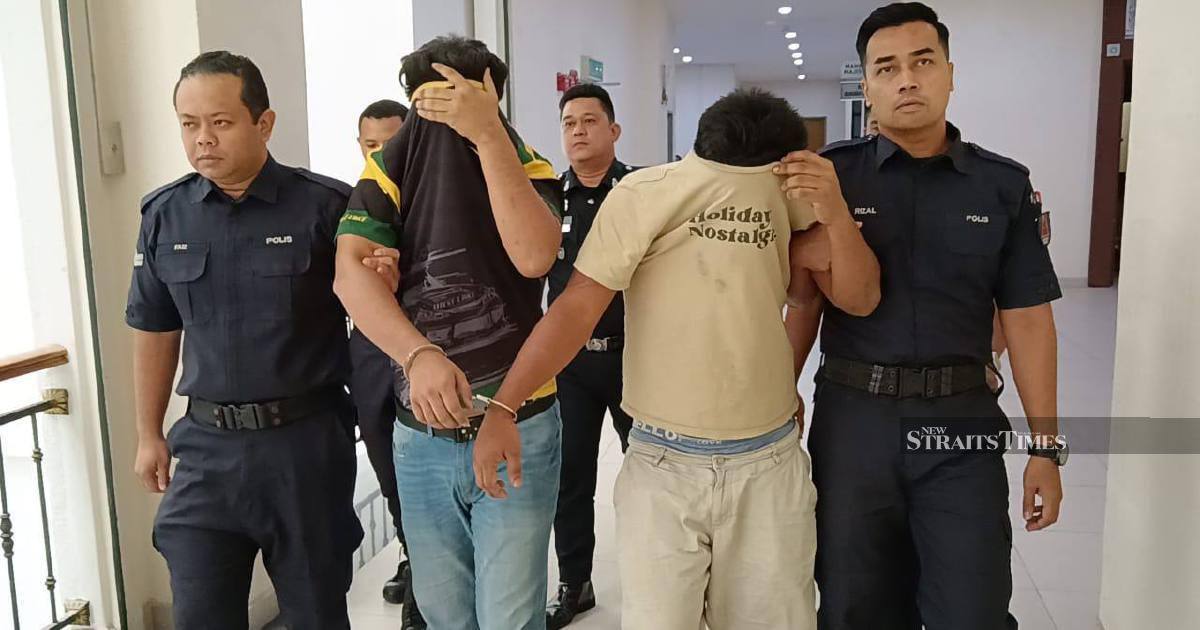
Two Rohingya men carrying UNHCR identification cards have been charged in connection with a spate of house burglaries that plagued Muar district. The pair appeared before the Magistrate's Court today to face the allegations stemming from multiple break-in incidents across the area.
The case underscores an emerging challenge facing Malaysian authorities as they grapple with maintaining public order within its growing refugee populations. The Rohingya community in Malaysia, comprising some 182,000 registered individuals according to UNHCR data, has largely maintained a low crime profile since many arrived from Myanmar between 2016 and 2017. However, isolated criminal incidents involving members of this vulnerable population occasionally surface, creating tension between security concerns and humanitarian obligations.
Muar, located in southern Johor and serving as a secondary commercial hub for the state, has historically accommodated various refugee populations. The district's mixed demographics and economic challenges have sometimes created conditions where marginalised groups, including undocumented migrants and registered refugees alike, have turned to petty crime out of desperation rather than predisposition. Understanding the socioeconomic context behind such incidents proves crucial for policymakers developing holistic responses to both refugee welfare and public safety.
The involvement of UNHCR card holders in criminal activity carries particular significance because these credentials represent formal recognition by the United Nations body responsible for refugee protection worldwide. Possession of such documentation theoretically provides the holder with basic legal standing and access to humanitarian services, yet clearly does not guarantee either compliance with local law or economic security. The contradiction highlights gaps in the integration framework for refugees seeking to establish stable livelihoods in Malaysia.
Malaysia hosts one of Southeast Asia's largest refugee populations despite not being a signatory to the 1951 Refugee Convention. The country's de facto approach to managing Rohingya and other displaced communities relies heavily on UNHCR coordination and relies on a patchwork of administrative arrangements rather than comprehensive legislative frameworks. When refugees are unable to secure legal employment due to restrictive work policies, some inevitably resort to informal or illegal economic activities to survive, creating a vicious cycle of vulnerability and criminality.
The Muar incidents, while serious, remain relatively contained compared to the scale of the refugee population. However, each case receives significant public attention partly because security concerns around foreign nationals—regardless of their legal status or the actual statistical threat they pose—resonate strongly with communities experiencing economic anxiety. Local residents in Muar may feel particularly vulnerable following a series of break-ins, and the identification of the accused as Rohingya risks triggering broader negative perceptions of the entire community.
The charges filed against the two men will proceed through Malaysia's judicial system, where they face the standard evidentiary requirements and procedural protections afforded to all defendants regardless of citizenship or status. The outcome of these cases will likely influence public discourse around refugee security and may prompt authorities to review both policing practices in refugee-dense areas and access-to-livelihood programmes that might prevent desperation-driven crime.
For the wider Rohingya community in Malaysia, incidents like this carry reputational consequences extending far beyond the individuals charged. Negative media coverage and public sentiment, even when warranted by specific criminal acts, can contribute to increased discrimination, restricted access to informal markets and services, and psychological stress. Community leaders and humanitarian organisations have repeatedly emphasised that the overwhelming majority of Rohingya seek only to live peacefully and contribute to Malaysian society despite extraordinary constraints.
The case also raises questions about capacity within Malaysia's law enforcement and judicial systems to manage growing complexity around refugee-related matters. Officers investigating organised burglary operations must navigate additional complications when suspects include non-citizens, requiring coordination with UNHCR and verification of documentation status. Training, resources, and specialised protocols for handling such cases remain inconsistently developed across different states and police units.
Moving forward, the incident exemplifies the need for multifaceted approaches combining stricter enforcement against genuine criminal activity with simultaneous investment in refugee economic integration, vocational training, and mental health support. Countries like Bangladesh and Indonesia, which host substantially larger refugee populations, have developed targeted employment programmes—albeit with mixed results—that create legal pathways to income generation. Malaysia might benefit from examining such models.
The Magistrate's Court proceedings will determine the guilt or innocence of the two men charged. Regardless of outcome, the case serves as a reminder that refugee management in Malaysia requires sophisticated balancing between legitimate security interests, humanitarian obligations, and practical acknowledgment that human vulnerability, poverty, and desperation can drive people toward crime when other options remain unavailable.

