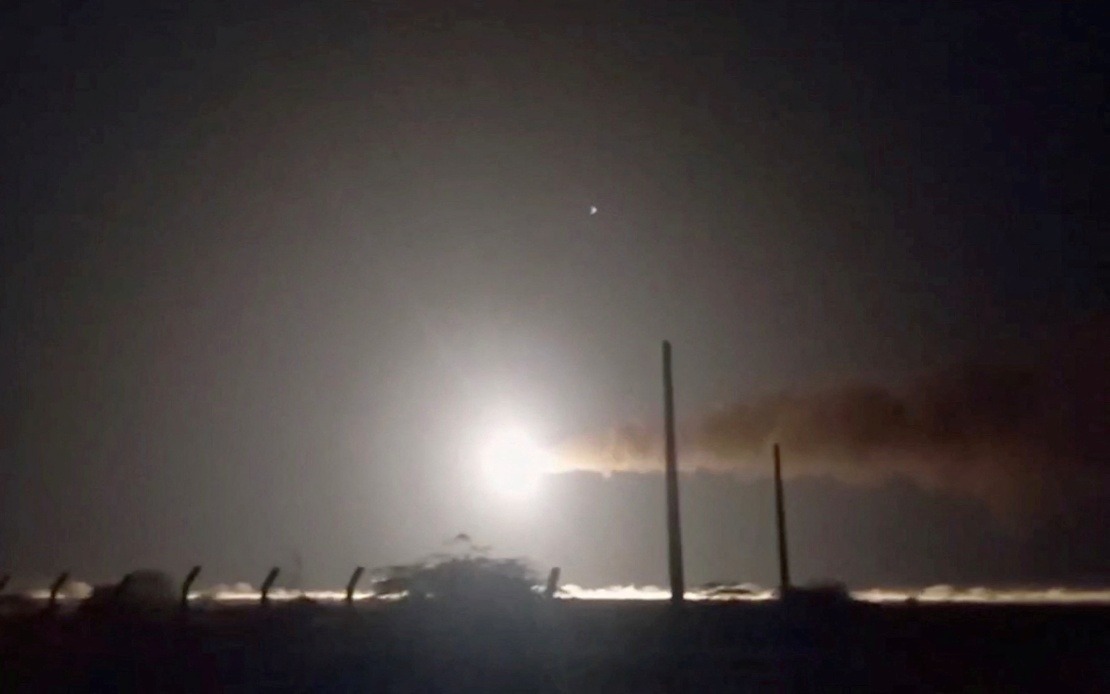
Two American military personnel have been confirmed dead and another remains unaccounted for following a significant Iranian assault on a US military facility in Jordan, the US Central Command reported on Saturday. The attack, which occurred on July 17, involved ballistic missiles and unmanned aerial vehicles targeting US and allied forces stationed in the country. CENTCOM's statement underscored the intensity of the confrontation and marks an escalation in regional military tensions that threatens to destabilise an already volatile Middle East.
The incident represents a direct military engagement between American and Iranian forces—a development with serious implications for the broader Middle Eastern security landscape. Jordan, which hosts several thousand US military personnel and serves as a crucial logistics hub for American operations across the region, has become a focal point in the intensifying proxy conflict between Washington and Tehran. The attack demonstrates Iran's willingness to conduct strikes against US military infrastructure outside Iraq and Syria, expanding the geographical scope of potential confrontation.
Among those affected, four American service members required evacuation to medical facilities within Jordan but have since been released from hospital care. Additional personnel who sustained minor injuries have returned to their operational duties, indicating that the overall impact on force readiness has been contained. CENTCOM's disclosure of these details suggests a measured approach to crisis communication, balancing transparency with operational security concerns.
The command has withheld the names and identities of the fallen personnel pending notification of their families, a customary practice in military communications. This protocol reflects established protocols respecting the dignity of the deceased and their relatives during a difficult period. The statement indicated that fuller details would be released only after the next of kin notification process has been completed, maintaining a 24-hour buffer to ensure families receive news through proper channels rather than media outlets.
For regional observers in Southeast Asia, this development carries particular significance given the interconnected nature of global security architecture. Any escalation in the Middle East reverberates through international energy markets, shipping routes, and defence alliances that extend to Asia-Pacific. Malaysia and other ASEAN nations maintain significant economic ties to both the United States and various Middle Eastern states, making regional stability a matter of genuine national interest beyond mere geopolitical observation.
The attack underscores Iran's increasingly sophisticated military capabilities and its calculated willingness to strike American targets directly rather than relying exclusively on proxy forces. This shift in tactics represents a meaningful escalation from previous patterns of Iranian aggression conducted primarily through Hezbollah, Houthi fighters, and Iraqi militia groups. The decision to employ ballistic missiles and drones in a coordinated assault suggests deliberate strategic messaging about Iran's resolve and military reach.
Jordan's role as host to the US military presence positions it in an exceptionally delicate diplomatic position. The kingdom must balance its security partnership with the United States against the need to maintain stable relations with neighbouring Iran and avoid becoming a direct battleground in wider regional conflicts. The attack on Jordanian soil where American forces operate raises questions about the country's ability to guarantee the safety of foreign military personnel and its own strategic vulnerability in this intensifying confrontation.
The broader context includes ongoing tensions related to Israeli-Palestinian conflict escalation and American support for Israel, which Iran views as a primary regional adversary. Tehran has characterised its missile attacks as responses to perceived American and Israeli aggression, framing its military actions as defensive rather than initiatory. This rhetorical positioning, regardless of its accuracy, illustrates how the Middle Eastern security environment has become increasingly militarised and prone to cycles of claim and counter-claim.
Central Command's operational posture following the attack will likely emphasise enhanced defensive measures, improved early warning systems, and potentially augmented personnel deployments to bolster deterrence. The loss of American lives will inevitably prompt reviews of force protection protocols and may influence discussions about the long-term sustainability of maintaining large-scale military operations in the region. Congressional oversight bodies in Washington will undoubtedly scrutinise these events and the circumstances surrounding the attack.
The incident also highlights vulnerabilities in the current security architecture across the Middle East, where competing regional powers possess increasingly capable military systems. For Southeast Asian nations monitoring these developments, the implications extend to broader questions about the reliability of American security commitments and the sustainability of current regional power balances. Should the situation continue deteriorating, it could reshape defence spending priorities and strategic alignments across Asia-Pacific economies.
Moving forward, international diplomatic channels will face pressure to de-escalate tensions and prevent further cycles of military action and retaliation. The successful containment of this particular incident—preventing immediate Israeli or American retaliation—may offer a narrow window for dialogue, though history suggests such opportunities are often squandered. For Malaysia and the broader region, developments in Jordan warrant close monitoring as indicators of whether Middle Eastern conflicts will remain regionally contained or spread further across international boundaries.

