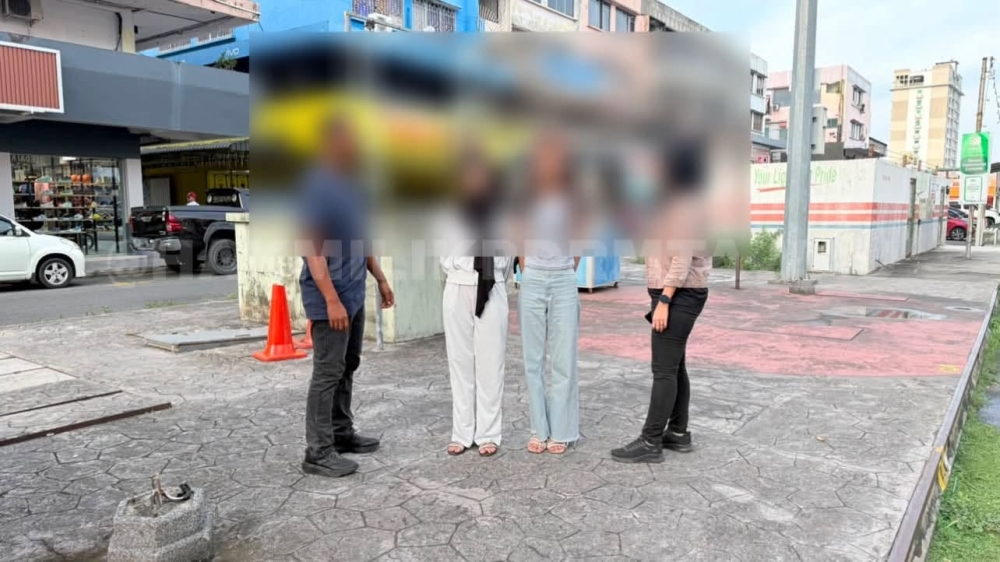
A dinner outing at a Bandar Fajar establishment turned violent when two women became embroiled in a physical altercation, prompting police intervention and subsequent arrests. The incident, which took place in Tawau, has drawn attention to recurring disputes in public dining spaces across the district. Authorities have launched a formal investigation into the circumstances surrounding the brawl, with both women currently assisting police with their enquiries.
The nature of the conflict that sparked the confrontation remains under police scrutiny, though eyewitnesses at the restaurant have provided statements to investigators. The incident underscores the challenges faced by law enforcement in managing public order disturbances in commercial establishments throughout Sabah's eastern zones. Restaurant owners and managers have become increasingly concerned about liability and staff safety when patron disputes escalate to physical violence.
Police have initiated standard procedures to determine whether either party bears primary responsibility for initiating the altercation, or whether the incident stemmed from mutual provocation. The investigation will likely examine security camera footage from the establishment, which could provide crucial clarity on the sequence of events leading up to the confrontation. Such documentation has become invaluable in modern policing, allowing investigators to corroborate witness accounts and establish timelines with precision.
For the Tawau business community, particularly restaurant and hospitality sector operators, incidents of this nature underscore the necessity of robust security measures and conflict de-escalation protocols. Many establishments have begun implementing staff training programmes to identify potential disputes before they turn physical, recognising that early intervention can prevent property damage and injury. The broader implications for Bandar Fajar's reputation as a commercial hub are not insignificant, particularly as tourism and consumer spending form critical components of the local economy.
The arrests represent the standard procedural response by Tawau police when allegations of assault or affray are reported. By apprehending both individuals, authorities can conduct thorough interviews and gather evidence without immediate bias toward either party. This approach, while sometimes controversial, allows investigators to build a comprehensive understanding of events before determining appropriate charges or whether the matter warrants prosecution.
Such public incidents frequently raise questions among Malaysians about civility and conflict resolution in contemporary society. While isolated restaurant disputes may seem trivial in isolation, they collectively signal broader tensions within communities and the efficacy of informal social mechanisms for managing disagreement. The escalation from verbal dispute to physical violence suggests a breakdown in communication and restraint that increasingly characterises heated public confrontations.
For residents of Tawau and surrounding areas, the incident may reinforce perceptions about safety in public spaces during evening hours when alcohol consumption is higher and inhibitions lower. Parents and younger residents may become more cautious about frequenting certain venues or areas perceived as prone to disturbances. Business proprietors conversely face pressure to maintain welcoming environments that attract customers while implementing security measures robust enough to prevent and contain conflicts quickly.
The Sabah Police response will likely be documented comprehensively, with findings potentially informing future preventative strategies. Authorities may engage with restaurant associations and chamber of commerce representatives to discuss voluntary industry standards for managing patron behaviour and reporting procedures for emerging disputes. Such collaborative approaches, common in developed nations, remain relatively nascent in Malaysian contexts but could yield significant public safety dividends.
Both women involved remain in police custody pending investigation completion and decisions regarding formal charges. Outcomes may range from acquittal if evidence suggests mutual self-defence, to assault or affray charges carrying potential custodial sentences or substantial fines depending on injury severity and aggravating circumstances. The court process, should charges be filed, will represent the ultimate determination of culpability and appropriate consequences.
The incident ultimately exemplifies the persistent challenge of managing human conflict in shared public spaces, particularly within commercial establishments where diverse strangers converge. Tawau's business community will likely view this matter with considerable interest, recognising that maintaining safe, orderly dining environments is fundamental to sustained commercial success and community wellbeing. Authorities continue gathering evidence and expect to provide further updates as investigations progress.

