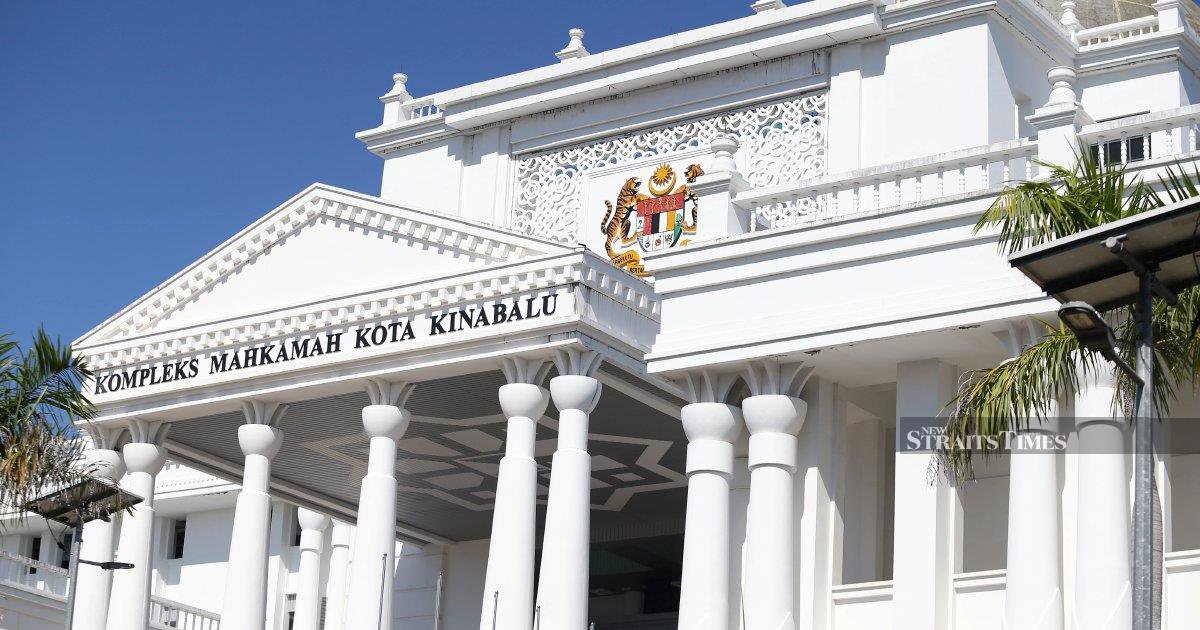
Two women arrested in connection with an alleged traditional healing scam have been formally charged in the Sessions Court in Kota Kinabalu with orchestrating a conspiracy to defraud three victims. The accused face three counts of criminal conspiracy, reflecting the multiple women they allegedly targeted through their fraudulent scheme. The charges signal law enforcement efforts to crack down on scams that exploit vulnerable individuals seeking alternative medical remedies.
Traditional healing practices hold deep cultural significance across Malaysia and Southeast Asia, where many communities maintain faith in time-honoured treatments alongside modern medicine. This cultural acceptance, while rooted in legitimate historical practices, has become a vulnerability that unscrupulous operators increasingly exploit. Fraudsters leverage the credibility and mystique associated with traditional healing to gain trust from victims who may be desperate for solutions to health problems that conventional medicine has failed to address or that they perceive as inadequately treated.
The targeting of women in this case reflects a troubling pattern in fraud investigations across the region. Women statistically represent a disproportionate share of victims in scams involving health remedies and wellness services, often due to broader vulnerabilities including social isolation, limited financial literacy, or emotional distress relating to unresolved health concerns. The three victims in this case presumably represent instances where the accused managed to convince women to part with money based on false promises of miraculous healing or wellness interventions.
Criminal conspiracy charges carry particular significance in Malaysian law, as they require proving not merely that fraud occurred, but that the accused intentionally worked together to perpetrate the deception. Prosecutors must demonstrate that the two women coordinated their actions, shared a common purpose, and took concrete steps to advance their fraudulent scheme. The decision to file three separate counts suggests the victims were distinct individuals with separate transactions, each constituting an independent conspiracy charge.
The arrest and charging of these women forms part of a broader regulatory challenge across Malaysia and the region regarding the practice of traditional medicine. Unlike licensed medical practitioners, many traditional healers operate with minimal oversight or formal credentials. While some practitioners are genuinely knowledgeable and ethically committed to their craft, the sector's loose regulatory framework creates opportunities for charlatans. Authorities struggle to distinguish between legitimate practitioners sharing cultural knowledge and outright fraudsters deploying pseudoscientific claims to extract money from vulnerable individuals.
This case will likely influence how authorities approach enforcement against fraudulent wellness practitioners in East Malaysia and beyond. Each prosecution sets precedent and signals to potential victims that law enforcement takes such cases seriously. The visibility of these cases through court proceedings also serves an educational function, warning the public about common scam tactics and building awareness about how traditional healing fraud operates in practice. Community education becomes crucial in protecting populations that have strong cultural attachments to alternative health practices.
The victims' willingness to report the alleged scam to authorities represents an important step, as many fraud victims—particularly those engaged in alternative health-seeking—may feel shame or embarrassment about having been deceived. In some cases, victims fear stigma associated with consulting traditional healers, making them reluctant to come forward. The fact that three women did pursue legal action suggests either particularly egregious conduct by the accused or growing public confidence in the criminal justice system's responsiveness to such matters.
For Malaysian consumers, this case underscores the importance of exercising caution when seeking traditional healing services. Legitimate practitioners typically have verifiable credentials, established reputations within their communities, and transparent pricing structures. Red flags include promises of miraculous cures, pressure to pay large sums upfront, and claims that treatment must be kept secret. Consulting with trusted family members, seeking references, and cross-checking credentials with relevant professional bodies can provide protection.
The broader social implications of this case extend to questions about healthcare access and gaps in conventional medical services. When individuals turn to traditional healers, it often reflects frustration with long waiting times, expensive conventional treatment, or conditions that allopathic medicine has not adequately addressed. Addressing fraud in the traditional healing sector therefore requires not only enforcement against bad actors but also systemic improvements in how mainstream healthcare serves the public.
As the case progresses through the Sessions Court, the evidence and testimony will reveal specific details about how the accused allegedly carried out their scheme. Did they pose as certified practitioners? Did they make specific disease-cure claims? Were victims pressured through psychological manipulation or relationship-building? The answers will inform understanding of fraud tactics and inform both law enforcement and public awareness strategies moving forward.
The jurisdiction of Kota Kinabalu's Sessions Court indicates this incident occurred in Sabah, where traditional healing practices remain particularly prominent in the cultural landscape. The local court's handling of the matter will be watched by other states considering how to address similar problems. Authorities nationwide are increasingly recognising that combating wellness fraud requires tailored approaches reflecting local cultural contexts and existing regulatory frameworks for traditional medicine practitioners.

