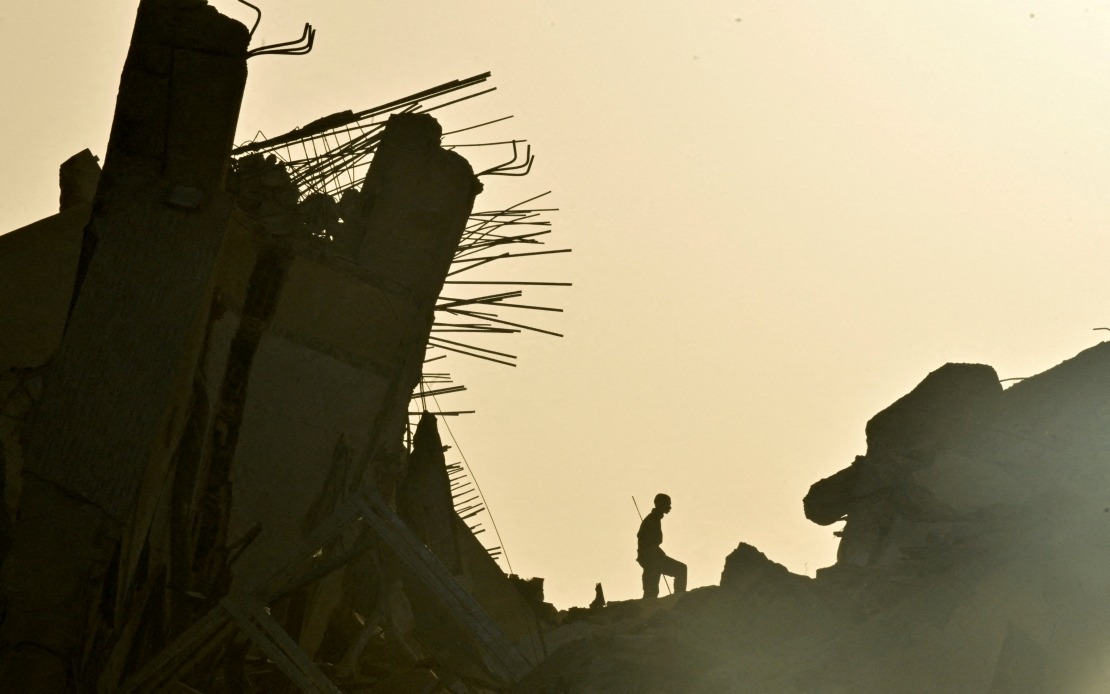
A coordinated humanitarian response by the United Kingdom's leading charities has generated over £10 million in donations to support earthquake survivors in Venezuela, highlighting the rapid mobilisation capacity of international relief organisations when natural disasters strike. The Disasters Emergency Committee, which represents major UK-based aid groups, launched its public appeal just this week and has already seen unprecedented public generosity translate into substantial emergency funding for one of the Caribbean region's most troubled nations.
The earthquake impact across Venezuela has created urgent humanitarian needs that extend beyond the immediate search and rescue phase. Aid agencies working through the DEC network are now transitioning their focus towards delivering the foundational support that disaster survivors require to stabilise their situation—encompassing temporary shelter solutions, clean drinking water access, adequate nutrition, and emergency medical treatment. This comprehensive approach reflects hard-won lessons from previous natural disasters, where fragmented relief efforts often fail to address the full spectrum of survivor needs during the critical window following a major earthquake.
Venezuela's existing humanitarian crisis, compounded by years of economic and political instability, has meant the country possesses limited domestic capacity to respond independently to such emergencies. The earthquake therefore represents not merely a natural disaster but a convergence of vulnerability factors that makes international assistance particularly critical. Local infrastructure damage compounds pre-existing gaps in service delivery, forcing external aid organisations to function as de facto providers of essential services rather than supplementary support systems.
Actress and International Rescue Committee ambassador Adjoa Andoh fronted the public appeal launch, emphasising the remarkable speed at which British donors responded to the crisis. Her comments underscored a humanitarian principle that resonates across wealthy nations—that public generosity, when properly channelled through established institutional frameworks, can rapidly mobilise resources that save lives during emergencies. The International Rescue Committee, among the DEC's constituent organisations, brings decades of operational experience in fragile contexts and maintains existing field presence capable of translating donations into tangible assistance.
The £10 million figure, equivalent to approximately US$13.4 million, represents a substantial commitment from a single national donor base for a geographically distant crisis. This level of fundraising success within days of the appeal launch suggests that British donors view Venezuelan earthquake relief as a moral imperative transcending political considerations around Venezuela's governance challenges. The willingness to donate despite Venezuela's controversial political situation demonstrates compartmentalisation between humanitarian assistance and political judgement—a critical distinction in international relief work.
For Malaysian readers and Southeast Asian observers, the UK's rapid charitable response offers instructive lessons about disaster preparedness and cross-border humanitarian coordination. Like countries across Southeast Asia, Venezuela faces earthquake vulnerability as a geographical reality, yet its response capacity remains constrained by resource limitations and institutional weaknesses. The efficiency with which UK charities mobilised funding and operational resources contrasts sharply with the ad hoc, often fragmented approaches seen in some regional disaster responses, suggesting value in establishing permanent, well-resourced humanitarian coordination mechanisms before crises occur.
The DEC's operational model—whereby multiple charities coordinate through a single appeal mechanism rather than competing separately—demonstrates institutional sophistication in maximising resource efficiency and donor confidence. For regions like Southeast Asia seeking to strengthen disaster response capabilities, this coordinated approach offers alternatives to the more common pattern whereby numerous organisations launch parallel fundraising campaigns, creating donor confusion and administrative overhead that reduces the proportion of contributions reaching affected populations.
DEC charities and their international partners continue round-the-clock operations to extend assistance reach across affected Venezuelan communities, with the challenge now shifting from fundraising to logistical deployment of resources. Earthquake aftermath operations require sustained effort extending weeks or months beyond initial emergency phases, as displaced populations require progressively more complex support—temporary housing solutions giving way to reconstruction assistance, trauma counselling following emergency medical care, and livelihood restoration programmes enabling communities to transition from relief dependency to recovery.
The Venezuelan earthquake relief appeal reflects broader patterns in international humanitarianism whereby disasters in politically unstable nations occasionally mobilise exceptional donor generosity, yet ongoing crises in such contexts struggle to maintain attention and resources. The concentration of giving in response to discrete, dramatic events like earthquakes contrasts with more chronic humanitarian emergencies that persist without visible triggering incidents. Understanding these donor psychology dynamics proves important for both aid organisations and governments seeking to ensure sustained international support for populations experiencing multiple, overlapping humanitarian challenges.
Looking forward, the success of this UK appeal may influence subsequent international fundraising campaigns for Venezuela and comparable contexts. Evidence of public willingness to donate substantial sums quickly—£10 million in days—encourages international organisations to mount rapid appeals when new disasters occur. However, maintaining this momentum beyond the immediate post-disaster window remains persistently challenging, as media attention shifts and donors direct resources toward emerging emergencies, leaving recovery phases underfunded relative to their actual costs and importance for affected communities' long-term resilience.

