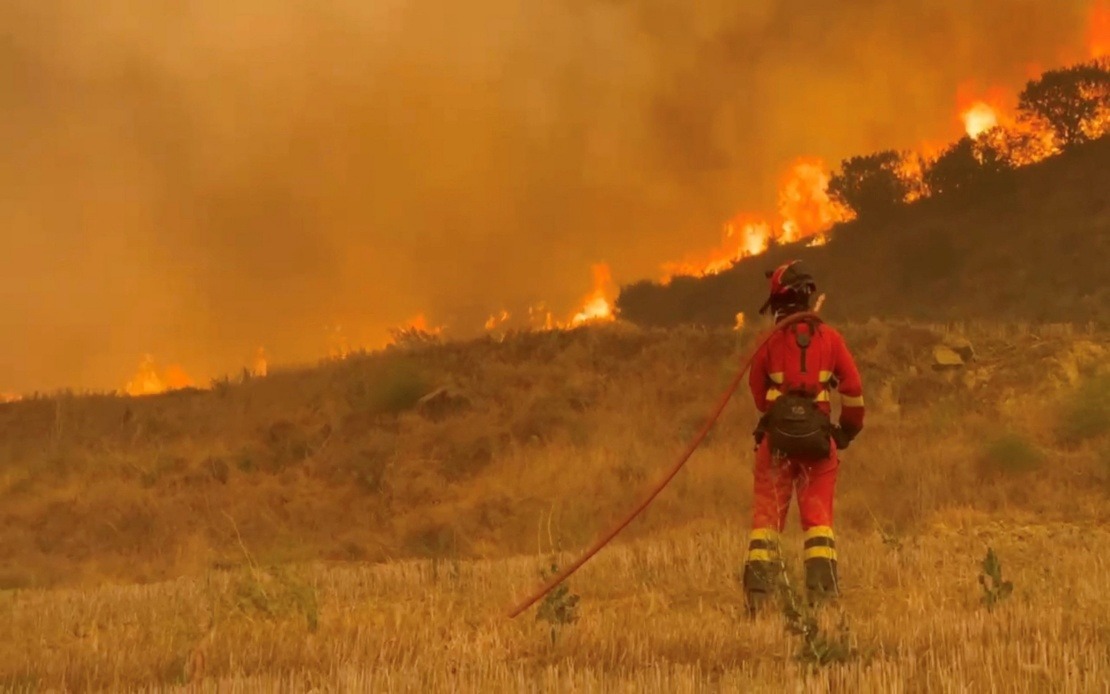
Britain is facing an unprecedented climate emergency that has prompted the government to convene an emergency Cobra meeting on Wednesday, with Prime Minister Andy Burnham chairing discussions on the cascading crisis of extreme heat, widespread wildfires and severe drought conditions gripping the country. The high-level gathering underscores the severity of the situation, bringing together senior officials to coordinate a nationwide response to weather-related challenges that are simultaneously overwhelming firefighting services, hampering agricultural operations and straining the National Health Service.
The decision to escalate to such a formal emergency forum reflects growing concerns across multiple sectors. Firefighters continue their battle against a major wildfire burning through the New Forest in Hampshire, whilst NHS staff grapple with heat-related medical emergencies and farmers face crop failures and livestock management challenges. Each sector has reported unprecedented demands, suggesting the weather crisis is reaching critical levels that conventional responses cannot adequately address.
The meteorological situation has deteriorated markedly in recent days. The UK's Met Office issued a rare amber extreme heat warning for Thursday, signalling dangerous temperatures that pose serious health risks. Officials have also projected that the nation is on course to record its hottest summer in terms of average temperature, a milestone that would represent a significant climatic shift for Britain's typically temperate climate.
Drought declarations have cascaded across the nation. Wales was officially declared to be in drought status on July 30 following sustained high temperatures and depleted water reserves. England fares little better, with approximately half the country already in drought conditions following record-low rainfall and extended periods of heat. The cumulative effect of these water shortages threatens agricultural productivity and household water security heading into autumn.
The human toll has already been substantial. The UK Health Security Agency reported that the May and June heat waves resulted in 2,877 excess deaths, nearly double the 1,504 excess deaths recorded during the summer of 2025. These figures underscore how vulnerable populations—particularly the elderly and those with pre-existing medical conditions—face life-threatening risks when prolonged heat stress occurs.
Political pressure for more aggressive action has intensified. Green Party leader Zack Polanski has articulated a comprehensive alternative policy platform, calling for taxation of fossil fuel corporations to fund emergency firefighting helicopter services, establishment of public cooling centres in all communities, implementation of maximum workplace temperature regulations, and a moratorium on new North Sea oil and gas extraction. His position, summarised in the phrase "we cannot negotiate with the science," reflects the argument that only transformative climate policy can prevent future crises.
Polanski's proposals represent a fundamental reframing of the emergency response away from purely reactive crisis management toward systemic change addressing the root causes of extreme weather. The focus on extracting revenue from fossil fuel companies to pay for climate adaptation measures reflects a growing political narrative that energy corporations bear responsibility for financing resilience infrastructure.
For Malaysian and Southeast Asian readers, the British experience offers instructive lessons about climate vulnerability at developed-economy scale. The UK's struggles with simultaneous heat, fire and water stress demonstrate that wealthy nations with advanced infrastructure remain susceptible to cascading climate impacts. If Britain—with its temperate climate and substantial resources—is overwhelmed by extreme weather, the implications for tropical Southeast Asia with its existing exposure to heat stress and monsoon-driven flooding deserve serious consideration.
Malaysia's own experience with haze, flooding and heat stress suggests comparable vulnerabilities, though manifested through different regional weather patterns. The British government's decision to elevate this to emergency-level coordination at the highest levels suggests that climate response frameworks may require institutional redesign in countries throughout the region. The convening of Cobra—typically reserved for national security threats—represents an implicit recognition that climate events now constitute systemic threats requiring defence-level mobilisation.
The practical coordination challenges evident in the British response—synchronising firefighting services, NHS capacity, water authorities and agricultural support—mirror the multi-sectoral complications that Malaysian agencies would face during simultaneous environmental stresses. The absence of integrated climate crisis protocols at such a level in most Southeast Asian governments potentially leaves the region more vulnerable to cascading failures during compound events.
As climate scientists worldwide emphasise the acceleration of extreme weather patterns, the British crisis serves as both warning and practical case study. The willingness of government to convene such high-level coordination, combined with activist calls for structural energy policy transformation, suggests that climate response is becoming increasingly politicised. For policymakers across Southeast Asia watching how developed economies manage such emergencies, the message is clear: incremental environmental policy adjustments may prove inadequate when multiple climate hazards converge simultaneously.
The outcomes of the British emergency meeting and subsequent policy responses will likely be monitored closely by regional governments assessing their own climate preparedness. How effectively the UK coordinates response across fragmented emergency services, health systems and agricultural sectors may offer valuable lessons—and cautionary examples—for nations developing comprehensive national climate adaptation strategies.

