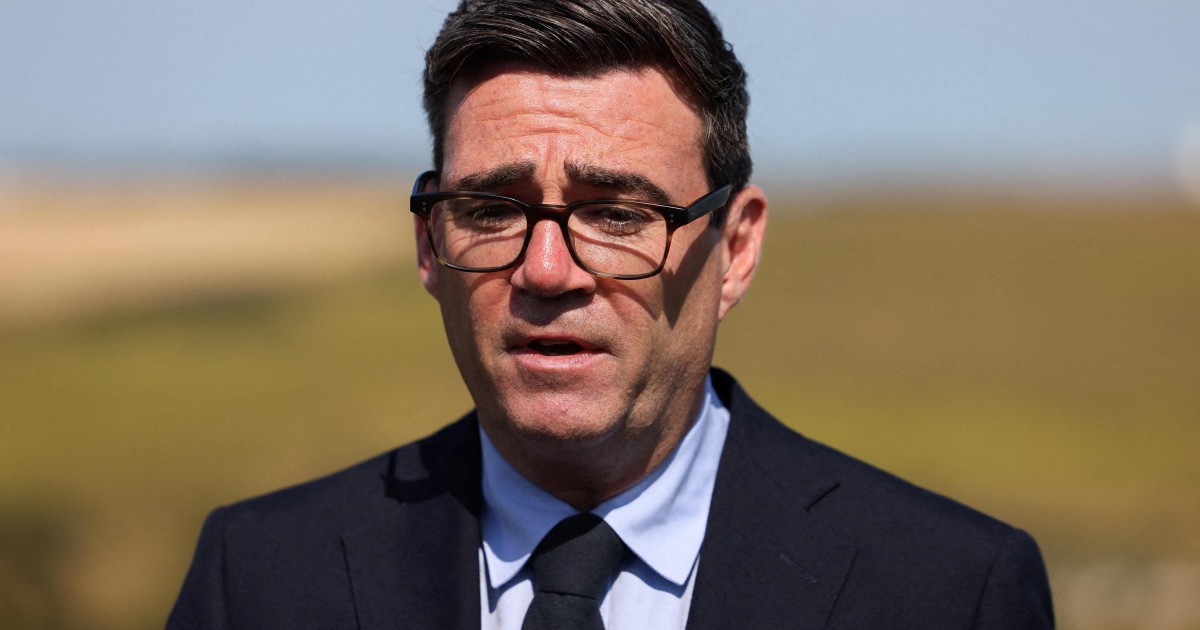
British Prime Minister Andy Burnham is evaluating the case for establishing a public inquiry into Jeffrey Epstein and his documented activities within the United Kingdom, according to Victims Minister Alex Davies-Jones in comments to the BBC. The announcement signals a potential shift towards greater governmental scrutiny of the convicted sex offender's operations in Britain and any unaddressed institutional failures that may have occurred.
The prospect of a formal inquiry represents a significant development for a government facing growing pressure to account for how a figure of Epstein's notoriety was able to conduct business across the UK. Such investigations typically examine not only individual criminal conduct but also systemic weaknesses in oversight, enforcement, and institutional protections that permitted wrongdoing to persist or escalate unchecked.
Public inquiries in the British system serve as comprehensive fact-finding mechanisms that go beyond criminal proceedings. They allow for examination of documents, testimony from multiple witnesses, and institutional analysis in ways that courtroom litigation cannot accommodate. An Epstein inquiry would likely encompass financial transactions, professional networks, property dealings, and any connections to prominent figures or organisations that facilitated or benefited from his activities.
Davies-Jones's confirmation that the Prime Minister is actively considering this course of action reflects heightened political acknowledgment of victims' advocates who have long maintained that a complete accounting of Epstein's British footprint remains absent from public record. The victims minister's role involves ensuring that survivor perspectives inform policy decisions, positioning her comments as recognition that formal investigation serves justice interests beyond individual criminal convictions already secured.
The timing of this consideration warrants examination. Epstein's death in detention in 2019 effectively closed criminal proceedings in the United States, yet questions persisted about associates, enablers, and institutional actors who may have facilitated his crimes across multiple jurisdictions. The UK's somewhat slower reckoning with this history suggests that domestic awareness of his operations and their full scope may have lagged behind American investigations and media coverage.
From a Malaysian and Southeast Asian perspective, the UK government's deliberation holds relevance to broader questions about how wealthy individuals with international networks evade accountability. The mechanisms through which Epstein maintained operations across multiple countries—including potentially the Asia-Pacific region—highlight vulnerabilities in cross-border financial oversight and diplomatic cooperation that remain pertinent to regional security and welfare protection frameworks.
A formal British inquiry could establish precedent for other nations considering similar investigations. The Commonwealth framework connecting Malaysia, the UK, and numerous other nations means that investigative practices, institutional recommendations, and legal findings from a British inquiry would likely circulate among Commonwealth governments and inform their own evaluative processes regarding inadequacies in protection systems and institutional transparency.
The government's willingness to even contemplate such an inquiry suggests recognition that survivor voices and public accountability increasingly shape expectations of state responsibility. This evolution in governance approaches—moving beyond prosecution toward systemic examination—reflects international human rights discourse that has gained prominence in recent years, particularly regarding institutional accountability in abuse cases.
Implementing a public inquiry would require significant government resources and political capital. Senior judges or independent figures would need appointment to lead proceedings, evidence would require gathering from institutions, former officials, and potentially witnesses abroad, and the inquiry would need defined scope limiting it to genuinely essential lines of investigation. These logistical and political considerations likely explain why the British government remains in deliberative phases rather than having announced a formal inquiry.
The involvement of Davies-Jones signals that victims' services and survivor advocacy have institutional channels within British government. This contrasts with historical patterns where such inquiries emerged only after sustained public agitation. The fact that a dedicated victims minister is engaged in discussion about inquiry viability indicates that survivor accountability has become embedded in ministerial portfolios and decision-making processes.
Stakeholders in Southeast Asia monitoring this development should consider how institutional accountability for crimes of wealth and international scope depends on governmental willingness to undertake resource-intensive investigations after criminal convictions have concluded. The resources, institutional capacity, and political commitment required for such inquiries remain formidable barriers in many jurisdictions, including those in the region facing similar challenges with high-profile abuse cases involving internationally connected perpetrators.
While Prime Minister Burnham's consideration of a public inquiry remains preliminary, the government's engagement with this question marks a notable evolution in how British institutions contemplate responsibility for historical failures in oversight and institutional protection. Whatever decision emerges from current deliberations will likely ripple across Commonwealth jurisdictions and influence how other governments approach comparable accountability questions in their own institutional reviews.

