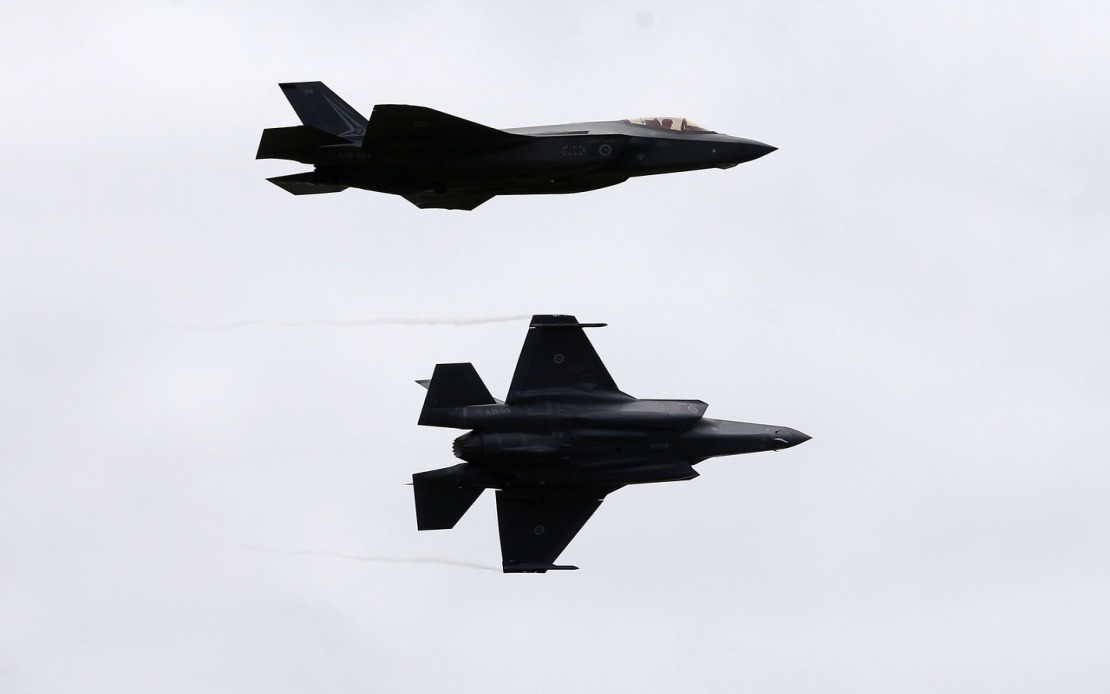
Three major Western allies have formally committed £4.6 billion (US$6.1 billion) towards the development of a next-generation combat aircraft that represents a significant shift in military aviation technology. The United Kingdom, Italy and Japan announced the agreement in Berlin on July 4, establishing what officials describe as a crucial turning point for the Global Combat Air Programme, an initiative designed to field a sixth-generation fighter that will eventually supplement existing fleets of advanced warplanes across the three nations.
The Global Combat Air Programme represents an ambitious international collaboration aimed at delivering a stealth fighter jet with service entry expected around 2035. This timeline positions the aircraft to replace or work alongside current platforms including the Eurofighter Typhoon and F-35 Lightning II, which currently form the backbone of allied air forces across Europe and the Asia-Pacific. The new generation fighter will incorporate artificial intelligence, advanced digital engineering systems and technologies that supporters claim will establish a new benchmark for combat aircraft capabilities in the coming decade.
Management of the project has been entrusted to Edgewing, a joint venture created in 2025 specifically to oversee this ambitious programme. The consortium brings together Britain's BAE Systems, one of Europe's largest defence contractors; Italy's Leonardo, a major European military technology manufacturer; and Japan Aircraft Industrial Enhancement Co. Ltd., representing Japanese industrial participation. This three-way partnership reflects a deepening security alignment among Western democratic nations and signals Japan's growing integration into traditional European and North American defence ecosystems at a time of rising tensions in the Indo-Pacific region.
The newly signed contract will fund the subsequent development phase, which focuses on detailed aircraft design and the establishment of critical operational requirements. During this stage, engineers and defence specialists from all three nations will conduct comprehensive testing regimes to validate technological concepts and ensure the final product meets ambitious performance specifications. This phase represents the transition from theoretical planning to concrete engineering work, marking a genuine acceleration of the programme's progress toward realisation.
The announcement carries strategic significance well beyond mere military procurement. For the United Kingdom, it represents continued European leadership in defence technology despite post-Brexit shifts in alignment. For Italy, participation underscores its position as a core European defence actor with substantial industrial capacity in aerospace and advanced manufacturing. For Japan, the involvement signals Tokyo's confidence in allied partnership and its willingness to invest in long-term security arrangements with Western partners, particularly relevant given current challenges in the East China Sea and wider Pacific security environment.
Southeast Asian observers should note the implications of this tripartite arrangement. The development and eventual deployment of sixth-generation fighters by allied nations will reshape the regional military balance across the Indo-Pacific. Japan's participation in this programme represents Tokyo's commitment to maintaining technological superiority and interoperability with NATO allies, factors that influence broader security architectures affecting the region. The emphasis on artificial intelligence and autonomous systems suggests future combat aircraft will operate in coordination with drone networks and other unmanned platforms, a development with significant implications for regional defence planning.
The technology choices embedded in this programme also warrant attention. The explicit focus on artificial intelligence and digital engineering means the resulting aircraft will depend heavily on software ecosystems, cybersecurity infrastructure and data networks. This approach differs markedly from previous generations of fighter development and introduces new vulnerabilities and dependencies that defence planners across the region must consider. Nations evaluating their own defence procurement strategies must increasingly weigh not just the hardware capabilities of specific platforms but their integration within broader technological and security ecosystems.
The 2035 service entry timeline appears ambitious given the current stage of the programme. Historical precedent suggests that next-generation fighter development typically extends timelines considerably beyond initial projections, with cost overruns becoming common. The Eurofighter Typhoon, now entering its fifth decade of service after initial 1980s projections, and the F-35 programme's well-documented delays demonstrate the challenges inherent in developing cutting-edge military technology. Nonetheless, the three allied nations appear committed to maintaining momentum, with the newly announced funding providing concrete resources for the coming phase.
The collaboration structure offers lessons for regional defence initiatives. By distributing development responsibilities across multiple nations and industrial bases, the three countries spread both technological risks and financial burdens while building interoperability and standardisation that enhances allied operations. This model contrasts with earlier approaches where single nations undertook entire development programmes, and it reflects contemporary recognition that no single country possesses all necessary expertise and industrial capacity for such ambitious technological projects.
The investment commitment also reflects broader geopolitical assessments among allied leadership regarding future security challenges. The decision to fund a sixth-generation aircraft programme implies confidence that sustained great power competition will persist through the 2030s and beyond, requiring advanced military capabilities to maintain strategic balance. For regional players, this commitment from major technological powers reinforces the importance of maintaining strong relationships with established allies and investing in defence modernisation to remain credible security partners.

