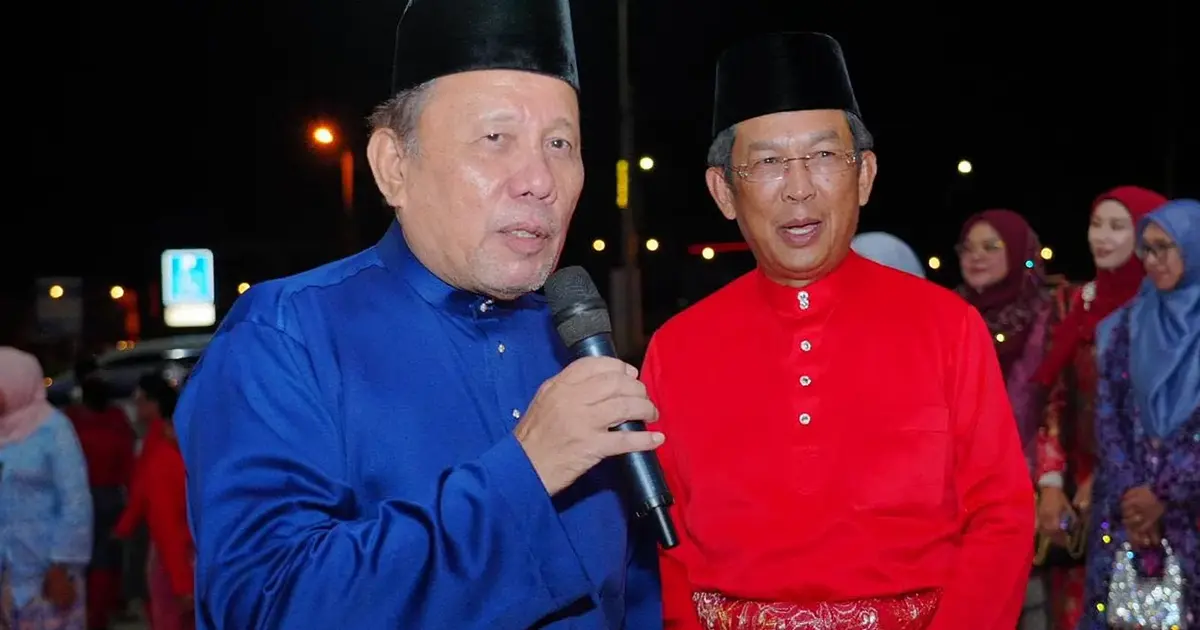
Jalaluddin, the Negeri Sembilan Umno chief, has categorically denied involvement in any conspiracy to unseat the state Menteri Besar or orchestrate the removal of the Negeri Sembilan ruler, addressing mounting accusations that have roiled the state's political establishment in recent weeks.
The denial comes as responses to persistent reports suggesting the senior party figure had engaged in coordinated efforts to coerce the Menteri Besar into executing a formal document containing provisions for the ruler's removal. These allegations have sparked considerable tension within Umno's state machinery and raised questions about factional tensions within the party's Negeri Sembilan branch.
For Malaysian political observers, such denials carry particular weight given the intricate constitutional relationship between state rulers and elected representatives. The ruler holds significant ceremonial and custodial powers, while the Menteri Besar commands legislative authority. Any attempt to manufacture consent for deposing either figure would represent an extraordinary constitutional breach, making the seriousness of these accusations understandable.
The timing of these allegations reveals fault lines within the Umno power structure at the state level. Internal party disputes occasionally spill into public view when different factions seek to consolidate control or challenge rivals. Negeri Sembilan, like other Malaysian states, witnesses periodic jockeying for dominance among competing camps within the dominant coalition, and such incidents rarely emerge without significant underlying tensions.
Jalaluddin's categorical rejection suggests awareness that accepting any responsibility for such activities would invite immediate legal scrutiny and irreparable reputational damage within party and government circles. The stringency of his denial underscores the gravity with which Malaysian political actors approach matters involving constitutional figures, as violations carry potential consequences ranging from party sanctions to legal action.
The alleged pressuring of a Menteri Besar to sign documentation specifically designed to facilitate a ruler's removal would constitute behaviour distinctly at odds with established constitutional conventions in Malaysia's Westminster-derived system. Such actions would violate the implicit understanding that succession and deposition of state leadership occurs through proper parliamentary and institutional channels, not coercion or backroom deals.
These claims, if substantiated, would also reflect poorly on party discipline and internal governance within Umno itself. The party has long positioned itself as the institutional guardian of Malaysia's constitutional framework, and accusations that senior members circumvent constitutional processes damage that carefully cultivated reputation, particularly among the civil service, judiciary, and traditional establishment figures who regard the party as custodian of institutional order.
For political analysts monitoring Negeri Sembilan specifically, such tensions hint at deeper struggles over resource allocation, development priorities, and influence distribution. State-level politics in Malaysia frequently masks competition for federal patronage, investment flows, and appointment authority. The Menteri Besar and Umno branch leadership sometimes represent competing interests, generating friction that periodically surfaces through allegations of misconduct or constitutional overreach.
The implications extend to Southeast Asia more broadly, where questions about internal party democracy and constitutional compliance increasingly feature in regional governance discussions. Malaysia's experience with managing intra-party disputes while maintaining formal constitutional adherence provides instructive lessons for neighbouring democracies grappling with similar pressures between parliamentary discipline and institutional propriety.
Jalaluddin's forceful rebuttal also signals an attempt to protect his standing within both Umno's national hierarchy and the state government structure. Senior party figures accused of orchestrating constitutional violations risk marginalisation within party circles, regardless of ultimate guilt or innocence. The damage to one's factional position can prove permanent, even if legal exoneration eventually follows.
The resolution of these allegations will likely depend on whether documentary evidence, witness testimony, or further disclosures emerge from within government or party channels. Malaysian political crises of this nature frequently unfold gradually as additional actors become emboldened to corroborate or challenge initial claims, particularly if opposition parties see electoral advantage in amplifying controversy.
Moving forward, this episode underscores the enduring tension between competitive party politics and constitutional governance in Malaysia's federal structure. State-level politics, while receiving less national attention than federal developments, significantly influence the stability and legitimacy of Malaysia's broader political system, making questions about appropriate conduct among senior state party figures matters of genuine institutional consequence.
For Malaysian readers observing these developments, the case illustrates how contemporary political contestation increasingly plays out through constitutional and institutional channels rather than formal party procedures alone, reflecting an evolution in how Malaysian political actors navigate disputes while maintaining surface adherence to established procedures and norms.

