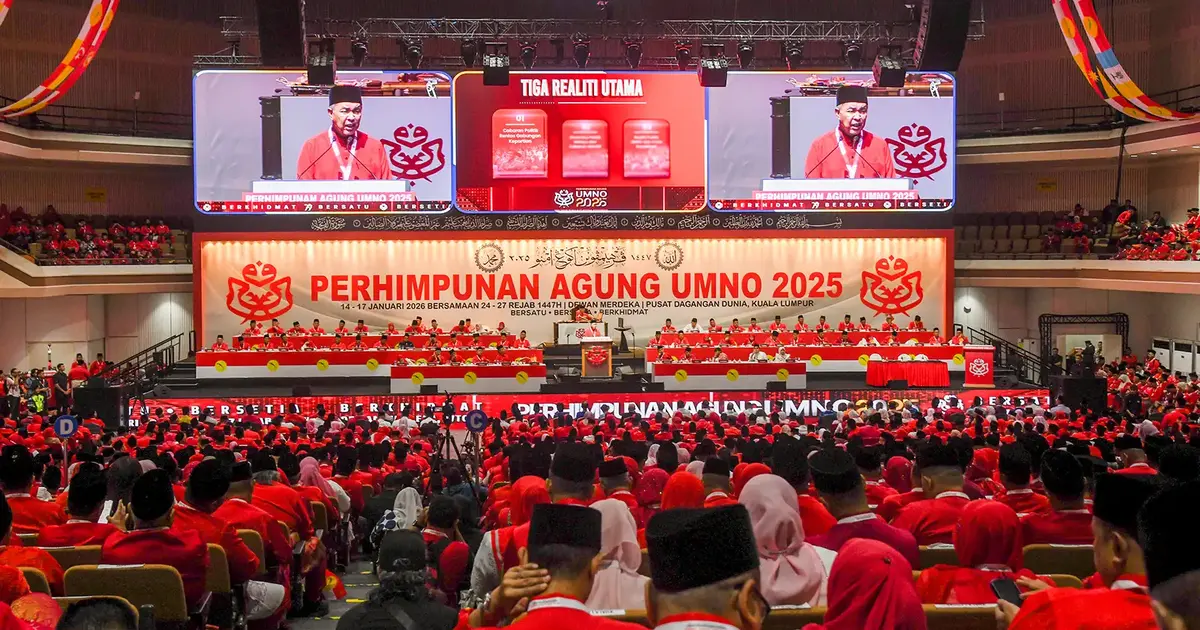
Tension has surfaced within Umno's divisional structure following the distribution of 11 parliamentary seats to Perikatan Nasional in what appears to be a significant shift in the coalition's electoral calculus. The frustration among grassroots Umno leaders reflects deeper anxieties about power-sharing dynamics within Malaysia's political landscape, particularly as the party navigates its post-2022 realignment and attempts to rebuild its electoral presence ahead of critical polls.
The allocation process has triggered particular resentment at ground level, where division leaders view the seat distribution as disproportionate relative to Perikatan Nasional's demonstrated electoral strength. These leaders argue that the arrangement undermines Umno's negotiating position and signals a weakening of the party's leverage within coalition discussions, at a time when internal consolidation remains crucial for party morale and membership engagement.
Wawasan, the newest political entity involved in these negotiations, has become a flashpoint for criticism. Division leaders have highlighted the incongruity of allocating four parliamentary seats to a party contesting its maiden election. This allocation stands in stark contrast to conventional political practice, where newly formed parties typically receive minimal ticket allocations until they establish electoral credibility. The decision to grant Wawasan such a prominent share has been characterised as rewarding inexperience and potentially squandering what Umno activists view as their party's hard-won electoral opportunities.
This grievance reflects the broader challenge facing Umno as it attempts to balance coalition maintenance with internal stakeholder satisfaction. The party's grassroots machinery—historically its most vital organisational asset—relies on the prospect of electoral advancement and seat allocation to maintain member motivation. When division leaders perceive that seat distribution lacks rational basis or favours coalition partners disproportionately, it erodes the party's internal solidarity and complicates efforts to mobilise machinery for upcoming campaigns.
The timing of these complaints carries additional weight. Malaysian politics remains fluid, with several electoral cycles anticipated in coming years. Umno's ability to demonstrate strength within coalition negotiations directly affects its capacity to attract crossover support, retain wavering members, and project an image of electoral viability. When internal divisions become public, as through these reports, they risk undermining the party's bargaining power and creating openings for political rivals to exploit member dissatisfaction.
Peikatan Nasional's inclusion in coalition calculations marks a significant development in Malaysian politics. The coalition, which gained prominence following the 2022 general election, has rapidly evolved from a relatively minor player to a significant actor in coalition mathematics. However, this rapid ascension appears to have outpaced expectations within Umno, where some leaders question whether Peikatan Nasional has genuinely earned the political capital to justify substantial seat allocations.
From a regional perspective, these internal Malaysian coalition dynamics underscore the fluid nature of Southeast Asian politics. The region's multi-ethnic democracies frequently grapple with complex power-sharing arrangements, and Malaysia's current negotiations illustrate both the sophistication and fragility of these systems. The ability of parties to manage internal dissent while maintaining coalition cohesion will likely determine electoral outcomes.
For Malaysian voters and observers, the seat allocation controversy raises substantive questions about representation and electoral fairness. The composition of parliamentary benches directly affects policy priorities, committee assignments, and resource distribution. If seat allocations are perceived as arbitrary rather than merit-based, public confidence in the coalition's legitimacy may suffer. This consideration becomes particularly salient given Malaysia's recent political volatility and the importance of restabilisation.
The dispute also illustrates the complex relationship between party hierarchies and grassroots organisations. Umno's leadership presumably approved or acquiesced to the seat distribution, yet division leaders feel empowered to criticise these decisions publicly. This dynamic, while reflecting healthy internal debate, also signals potential friction between senior party strategists and divisional power brokers—friction that campaign organisers must navigate during electoral mobilisation.
Moving forward, the resolution of these seat allocation disputes will provide insight into coalition stability and Umno's internal decision-making processes. Should leadership attempt to renegotiate allocations in response to grassroots pressure, it could strengthen internal cohesion but weaken coalition relationships. Conversely, if leadership resists pressure to modify arrangements, it risks deepening internal resentment and complicating campaign enthusiasm.
The situation also reflects broader patterns in Malaysian politics where coalition partnerships frequently involve difficult compromises that satisfy no party completely. The distribution of parliamentary seats remains one of politics' most contentious exercises, touching directly on the interests of elected representatives, aspiring candidates, and party members invested in electoral outcomes. That Umno's divisions are publicly voicing discontent suggests the allocation process lacked sufficient internal consultation or persuasive justification from senior party strategists.

