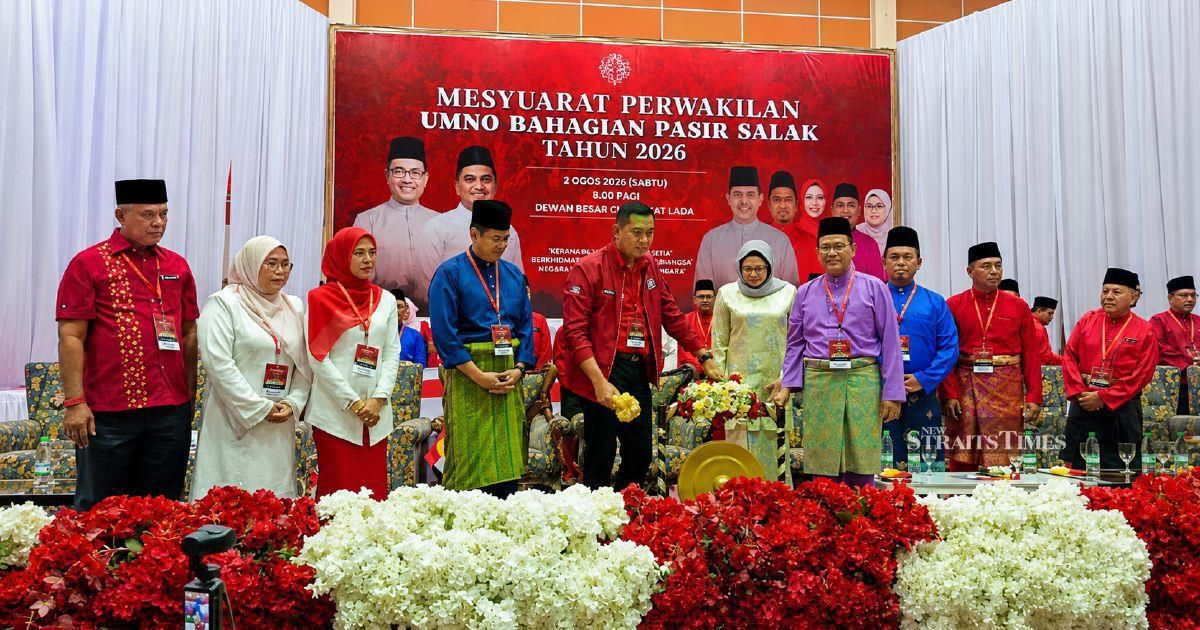
Umno's youth wing leader has thrown weight behind demands from the party's grassroots for a meaningful voice in how seats are distributed under the newly formed understanding between Barisan Nasional and Perikatan Nasional. Speaking in Pasir Salak, Datuk Dr Muhamad Akmal Saleh signalled that division leaders' positions on seat allocations merit serious consideration from party headquarters as Malaysia navigates a reconfigured political landscape.
The remarks underscore growing tension within Umno's ranks over how the party negotiates electoral arrangements with Perikatan Nasional, the Islamist-leaning coalition that includes PAS and Bersatu. Since the political understanding between BN and PN was formalised, questions have lingered about how seats will be distributed fairly across the country and whether the party's traditional strongholds will be protected.
Division leaders, who represent Umno's presence at the state and district level, have emerged as a crucial constituency in these negotiations. These officials control campaign machinery in their respective areas and understand local political dynamics better than anyone at the national level. Their reluctance to accept seat allocations that disadvantage their divisions could create internal friction or even defections if they feel sidelined in decision-making processes.
The Umno Youth chief's intervention suggests that the party's leadership cannot simply impose arrangements from above without risking grassroots discontent. In Malaysian political practice, division leaders often wield considerable influence over candidate selection and campaign vigour. If they are unhappy with seat distributions, they may either work with reduced enthusiasm for imposed candidates or, in extreme cases, support rival candidates from within the party or from other coalitions.
The BN-PN understanding itself represents a significant recalibration of Malaysian politics. Both coalitions have long positioned themselves as rivals, competing directly for the same Muslim-majority, Malay-speaking voter base. The decision to work together was driven partly by electoral mathematics and partly by the need to present a united front against Pakatan Harapan and newer political formations. However, merging two separate coalitions' interests into a coherent electoral strategy has proven complicated.
Malaysia's federal structure means that seat negotiations must account for different state-level dynamics. A seat allocation formula that works in Selangor may prove contentious in Johor or Pahang, where local political cultures and factional alignments differ markedly. Division leaders understand these nuances and can explain why certain seats cannot be conceded to PN partners without risking party fortunes in particular regions. Ignoring these warnings could prove costly in elections.
The broader context involves Umno's quest to rebuild its political fortunes after its devastating defeat in the 2018 general election and the fractious 2022 campaign. The party's core support base has been eroding in favour of both PN-aligned competitors and non-Malay-focused opposition parties. Under these circumstances, the party needs to maximise its electoral gains wherever possible. If divisional leadership believes that yielding seats to PN in their areas will weaken Umno's competitive position without corresponding gains elsewhere, they have legitimate grounds for objection.
For Malaysian voters, particularly those in constituencies where Umno has traditionally been strong, the outcome of these negotiations will directly affect which coalition will contest their seats and, by extension, what their electoral choices will be. If Umno divisions feel genuinely respected in these decisions, they are more likely to campaign vigorously and deliver turnout. Conversely, if imposed arrangements breed resentment, voter mobilisation could suffer, potentially benefiting opposition parties.
The issue also carries implications for democratic practice within political parties themselves. When senior leaders make major decisions affecting hundreds of thousands of party members without adequate consultation, it can undermine internal legitimacy and breed long-term factional disputes. Datuk Dr Muhamad Akmal Saleh's call for respecting division leaders' stances reflects an understanding that sustainable political arrangements rest on consensus, not diktat.
The timing of these remarks is significant, coming as BN and PN prepare for both state and federal electoral contests in the coming months. Any internal discord about seat allocations could translate into mixed signals during campaigns, reducing the effectiveness of the coalition's messaging. A more transparent and consultative process that genuinely incorporates division leaders' input would likely produce more durable arrangements and stronger campaign execution.
Umno's leadership will need to navigate carefully between national-level coalition strategy and divisional sensitivities. The party's survival as a major political force depends on both maintaining its position within the broader BN-PN framework and keeping its grassroots cadre motivated and united. Dismissing division leaders' concerns risks creating disaffection that could fester for years, while respecting their input, even when it complicates national negotiations, builds the internal legitimacy necessary for sustained electoral performance.
Looking ahead, how Umno handles this negotiation could set precedent for how the party approaches internal decision-making more broadly. If division leaders' voices genuinely shape policy outcomes, other grassroots members may feel empowered to participate more actively in party affairs. However, if their concerns are acknowledged but ultimately overridden, cynicism about participatory governance within the party could grow, further eroding institutional strength at a time when Umno is already struggling with generational shifts and changing voter preferences.

