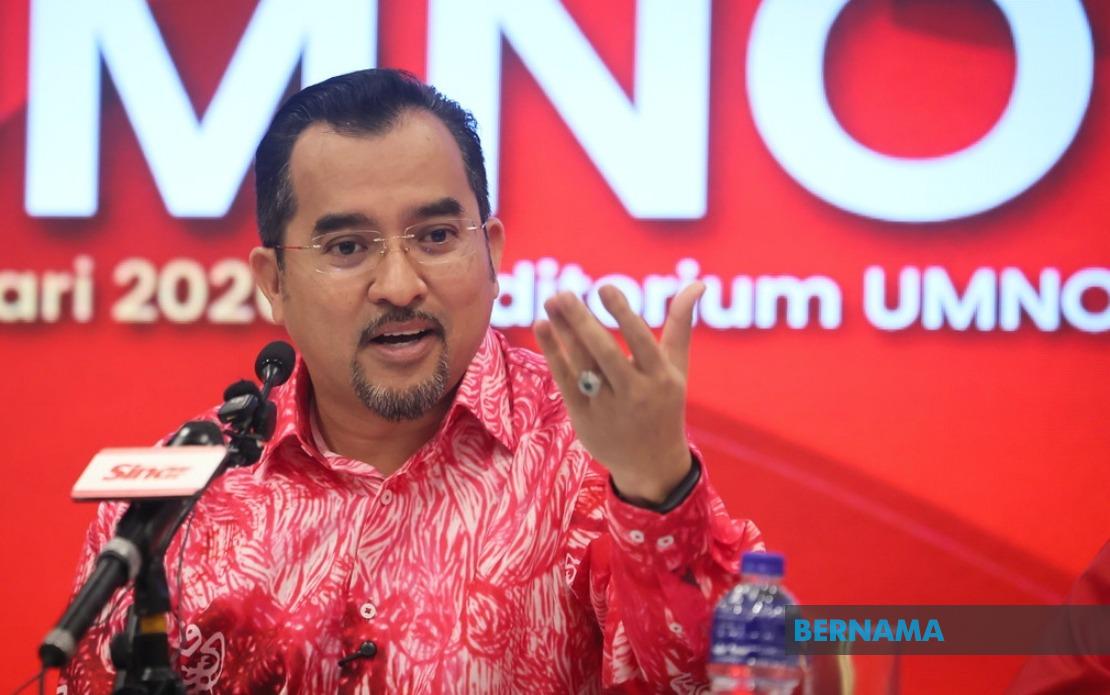
Datuk Dr Mohd Puad Zarkashi's abrupt exit from UMNO stems from his displeasure at the party's decision not to field his son as a candidate for the Rengit state assembly seat, according to party secretary-general Datuk Dr Asyraf Wajdi Dusuki. The revelation comes after Mohd Puad announced his resignation from UMNO on social media, declaring the move would enable him to speak more openly on matters of concern to him. Asyraf Wajdi detailed the circumstances in a Facebook statement, offering UMNO's perspective on what the party leadership characterises as a personal grievance masked by broader political accusations.
The timing of Mohd Puad's departure carries significance given the imminent Johor state election scheduled for July 11. The Election Commission has designated June 27 as nomination day, setting a tight window for campaigning and candidate finalisation across the state's contested seats. This backdrop suggests the decision could have repercussions beyond internal party management, potentially affecting UMNO's organisational cohesion during a critical electoral period when unity typically matters most.
According to Asyraf Wajdi's account, Mohd Puad had previously communicated his demands in writing, coupling them with explicit warnings that he would publicly criticise UMNO and withdraw from the party unless the leadership acquiesced to his request. The secretary-general characterised these communications as threats rather than constructive dialogue, positioning them as ultimatums designed to coerce party decision-makers into preferential treatment for his son. This framing shifts the narrative from factual disagreement over candidate selection toward questions about the appropriateness of leveraging high-ranking positions to secure electoral advantages for family members.
Ashraf Wajdi acknowledged that Mohd Puad's son possessed youth and considerable potential for future leadership development. However, he emphasised that UMNO's candidate selection processes must weigh multiple considerations beyond individual promise or family connections. The party secretary's comments suggest that while the younger Puad may have demonstrated capability, other factors—possibly including experience, electability, demographic considerations, or strategic seat allocation—ultimately resulted in alternative candidacy arrangements for Rengit. This explanation attempts to depoliticise the decision as a routine administrative outcome rather than a rejection of Mohd Puad's personal standing.
Particularly telling is Asyraf Wajdi's revelation that this represents a pattern in Mohd Puad's political behaviour. During the tenure of former Prime Minister Datuk Seri Najib Tun Razak, the Supreme Council member had similarly threatened UMNO departure should the party decline to renominate him as Member of Parliament for Batu Pahat. The historical parallel underscores a recurring dynamic: whenever Mohd Puad's political aspirations or those of his immediate family faced constraints, his response has allegedly involved threatening institutional conflict. For party observers, this pattern reframes the current Rengit situation as part of a broader approach to navigating internal party politics.
Crucially, Mohd Puad had also alleged that the Johor palace wielded decisive influence over UMNO's Johor operations and had orchestrated the dissolution of the State Legislative Assembly. Asyraf Wajdi categorically rejected these allegations as slander, defending both the monarchy's constitutional role and the party leadership's autonomy in decision-making. This counterattack shifts the conversation from candidate selection mechanics toward institutional legitimacy, effectively questioning whether Mohd Puad's grievances reflected genuine governance concerns or rather provided rhetorical cover for personal disappointment.
The secretary-general's response articulated UMNO's foundational principle that the party explicitly rejects functioning as a hereditary institution prioritising familial advancement. This statement carries defensive weight, as allegations of dynastic tendencies have periodically dogged UMNO throughout its history, particularly during periods when senior figures leveraged their positions to advance relatives. By emphasising this principle, Asyraf Wajdi attempted to demonstrate that candidate selection reflected merit-based evaluation rather than patronage networks, thereby defending both UMNO's institutional integrity and the legitimacy of decisions made during this electoral cycle.
Asyraf Wajdi further contended that UMNO's historical mission—advancing race, religion, and national interests—transcends individual ambitions or personal satisfactions. This framing positions party cohesion and collective purpose above accommodation of particular members' demands, effectively suggesting that yielding to Mohd Puad would represent capitulation to pressure tactics antithetical to organisational health. The argument reflects broader tensions within UMNO between hierarchical loyalty and accountability to membership, between centralised leadership discretion and democratic consultation processes.
From a Southeast Asian political perspective, this episode illuminates recurring challenges within regional mainstream parties: managing internal expectations when electoral opportunities remain limited, balancing inclusion of diverse membership factions against strategic candidate selection, and navigating the complicated intersection between personal networks and institutional procedures. UMNO's handling of this situation will likely influence perceptions of fairness among mid-ranking party members and aspiring candidates, particularly those from established political families who might harbour similar expectations for preferential treatment.
Mohd Puad's departure, though presented by the party as reflecting personal grievance rather than principled opposition, nonetheless represents a loss during a consequential electoral moment. His Supreme Council status and presumed influence within party structures mean his public criticism could amplify opposition messaging or dishearten UMNO grassroots activists. The secretary-general's detailed public response suggests concern that Mohd Puad might weaponise his freedom from party discipline to mount substantial criticism during the election campaign.
For Malaysian political observers, this situation underscores persistent vulnerabilities in UMNO's internal management: the tension between rewarding loyal senior figures and maintaining merit-based selection standards, the difficulty of communicating decisions perceived as disappointing to influential members, and the risks when high-ranking politicians view electoral candidacies as entitlements rather than competitive opportunities. Whether UMNO's decision regarding Rengit ultimately proves electorally wise or strategically costly may ultimately overshadow questions about the process's fairness, determining how this episode reshapes internal party narratives in subsequent months.

