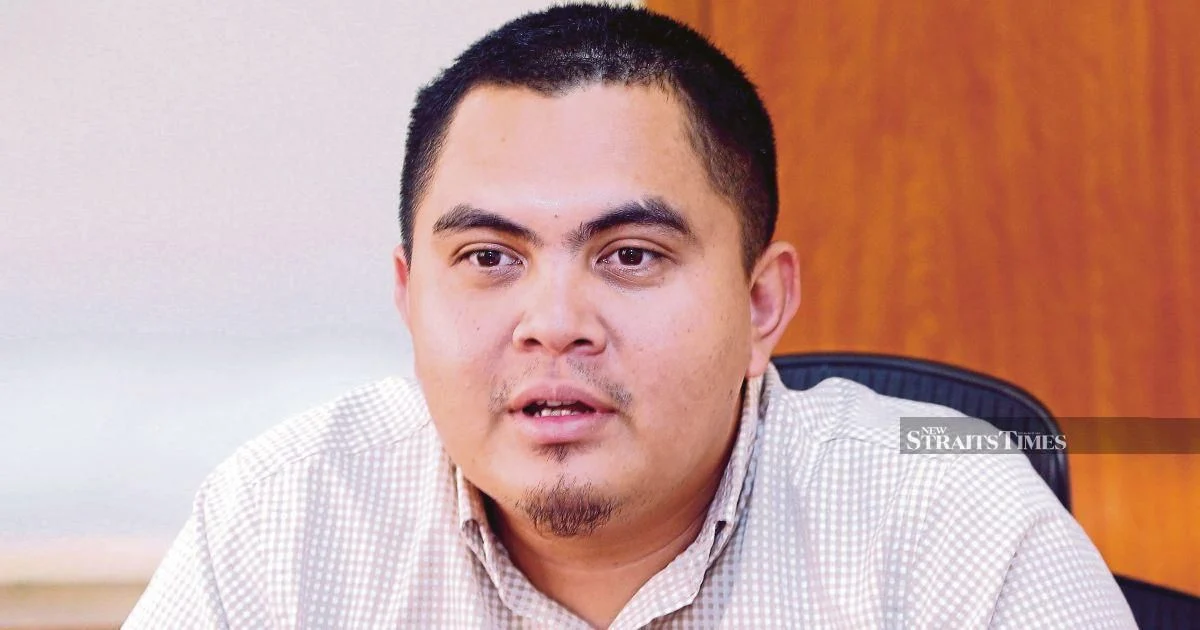
Umno Youth chief Datuk Dr Muhamad Akmal Saleh has firmly rebutted suggestions that Malaysia's oldest political party operates according to dynastic principles, stating that advancement within the organisation and nomination for electoral contests depend on individual merit and capability rather than bloodline relationships. Speaking in Johor Baru, the senior party figure articulated a defence of Umno's internal mechanisms, signalling the party leadership's sensitivity to public perception about how candidates are selected and how influence is distributed among competing factions within its ranks.
The assertion comes at a time when Malaysian politics continues to grapple with recurring questions about nepotism and the role of established families in securing prominent positions. Across Southeast Asia, political dynasties remain a structural feature of many democracies, yet the issue generates persistent criticism from civil society, reform advocates, and voters who worry that such arrangements undermine the principle of equal opportunity and erode institutional legitimacy. Umno, which has dominated Malaysian politics for decades since independence, has occasionally faced scrutiny regarding the prominence of certain political families within its leadership echelon.
Akmal's intervention appears designed to communicate internally and externally that the party maintains transparent and equitable procedures for identifying and promoting its representatives. This positioning reflects broader efforts within Umno to modernise its image and respond to demographic shifts among younger voters who increasingly demand accountability and fairness in institutional governance. The Youth wing, of which Akmal holds the top position, serves as a crucial constituency within the party structure and often functions as a barometer of generational attitudes toward party direction and values.
The controversy about family involvement in political parties extends beyond individual organisations to affect the broader credibility of Malaysia's democratic institutions. When voters perceive that opportunity and representation are distributed through familial networks rather than open competition, confidence in the legitimacy of electoral outcomes and legislative representation can diminish. This dynamic becomes particularly consequential in a multiethnic, multireligious society where institutional trust serves as a foundation for social cohesion and democratic stability.
Akmal's remarks suggest that Umno's leadership recognises the necessity of demonstrating commitment to meritocratic principles, even as some analysts argue that clan-based networks continue to operate beneath the surface of official party structures across Malaysian politics. The tension between formal procedures and informal power networks represents a persistent challenge in many Southeast Asian political systems, where traditional patronage systems intersect with modern democratic institutions.
Within Umno specifically, questions about candidate selection have periodically generated internal friction, particularly when expectations around representation for certain constituencies or demographic groups clash with final nomination decisions. The party's handling of these processes carries implications not only for its own cohesion but also for the broader political landscape, given Umno's continuing significance in coalition governments and parliamentary representation. Perception of fairness in these internal mechanisms affects both party morale and voter confidence.
Youth wings in Asian political parties frequently serve as incubators for future leadership and ideological development, making Akmal's position strategically important. His explicit rejection of family politics messaging likely reflects conversations occurring within party councils about how to address public concern while maintaining internal stability. The timing of such assertions often relates to upcoming elections, internal contests for leadership positions, or periods when party unity requires emphasis on shared institutional values.
The broader Malaysian context includes other major parties similarly navigating questions about internal democracy and the influence of established families. In Umno's case, the party's long history and deep institutional roots mean that multiple generations of certain families have held prominent positions, creating the appearance if not always the reality of dynastic structures. Countering such perceptions requires both consistent messaging and demonstrable action in candidate selection processes.
Akmal's statement carries particular weight given the Youth wing's role in mobilising support and generating grassroots enthusiasm within the party apparatus. If Umno Youth genuinely endorses meritocratic selection principles, this messaging can filter through the party organisation and potentially influence how other party divisions approach candidacy questions. Conversely, if members perceive a disconnect between official rhetoric and actual practice, such statements risk generating cynicism rather than confidence.
Looking forward, Umno will likely face continued scrutiny regarding whether its internal governance reflects the principles articulated by senior figures like Akmal. The credibility of such assertions depends upon consistent demonstration through actual candidate selections across federal, state, and local electoral cycles. In Malaysian politics, where questions about institutional fairness intersect with ethnic and religious considerations in representation, the stakes surrounding perceptions of nepotism extend beyond individual parties to affect broader community confidence in democratic processes.

