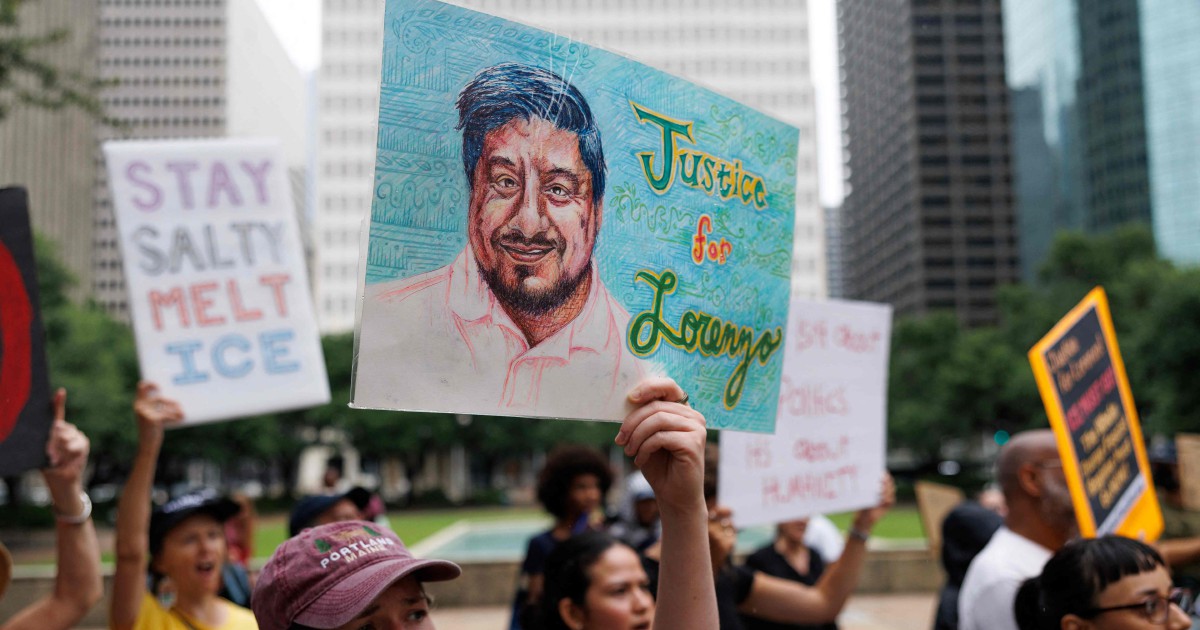
United Nations human rights experts issued a statement on Saturday demanding that impartial investigations be conducted into claims that protests highlighting Mexico's ongoing disappearance crisis experienced undue interference during the football World Cup. The appeal represents growing international concern over the treatment of activists and families seeking to raise awareness of thousands of missing persons throughout Mexico, particularly during high-profile global events.
The timing of these allegations is significant, as the World Cup provided a global platform and international media spotlight. Families of the disappeared and civil society groups had organized demonstrations to ensure that the humanitarian crisis afflicting Mexico would not be overshadowed by sporting festivities. For many advocacy organisations, major international events represent rare opportunities to draw global attention to issues that might otherwise receive limited coverage on the world stage.
Mexico faces an alarming crisis of enforced disappearances and missing persons, with estimates suggesting tens of thousands have vanished under circumstances that often implicate state actors, criminal organisations, or a combination thereof. This humanitarian catastrophe has persisted across multiple administrations and represents one of Latin America's most severe ongoing human rights challenges. The disappearances have devastated countless families who remain unable to locate loved ones or obtain clarity regarding their fates.
The UN experts' concern centres on whether authorities or other actors inappropriately restricted, obstructed, or otherwise interfered with the legitimate exercise of freedom of assembly and expression during World Cup-related events. Such interference, if substantiated, would constitute a violation of internationally recognised human rights standards to which Mexico is obligated under various UN conventions and treaties. The investigation call underscores the international community's expectation that states should facilitate rather than hinder lawful protest activities.
For Malaysian observers, this situation resonates with regional concerns about missing persons and accountability mechanisms. Southeast Asia has experienced its own cases of enforced disappearances and extrajudicial actions, making the UN's emphasis on independent investigation particularly relevant. The principle that governments must allow grieving families and civil society to seek answers without interference applies universally and remains relevant across Asia.
The pattern of alleged interference at protests during major global events reflects a broader challenge: the tension between security concerns used to justify restrictions and fundamental rights to protest peacefully. Governments hosting World Cups or similar high-profile events often implement extensive security measures, which can inadvertently or deliberately curtail activist space. The UN experts appear concerned that such security arrangements may have been weaponised against legitimate protest activities rather than reserved for genuine safety threats.
Mexico's federal government has consistently pledged to address the disappearance crisis through various institutional mechanisms and investigations. However, implementation challenges remain substantial, with families reporting difficulties in obtaining information about missing persons and achieving prosecutions of responsible actors. The involvement of organised crime alongside state-level corruption complicates accountability efforts and extends investigation timelines significantly.
The call for independent investigation is particularly important given Mexico's complex security landscape and questions about institutional impartiality. When allegations of state interference in protests emerge, investigations conducted solely by potentially implicated authorities risk lacking credibility. International oversight or participation could strengthen the investigative process and enhance public confidence in findings, particularly among affected communities who may harbour justified scepticism toward domestic institutions.
For the international community, including Southeast Asian nations, Mexico's approach to balancing security with human rights during major events serves as an instructive case study. Countries preparing to host large international gatherings should consider how to accommodate legitimate protest and advocacy without compromising security objectives. The UN experts' intervention suggests that the global community expects host nations to demonstrate particular vigilance in protecting activist space rather than restricting it during periods of heightened security.
The disappearance crisis also highlights how criminal violence and state failure intersect in Mexico, a dynamic that resonates across Latin America and has parallels in other regions confronting transnational organised crime. The persistence of disappearances despite official pledges to address the problem indicates that systemic reform, rather than episodic investigations, may be necessary to achieve meaningful change. Families of the disappeared have become increasingly organised in demanding accountability and institutional transformation.
Moving forward, Mexico faces pressure to demonstrate that World Cup hosting obligations include fulfilling human rights responsibilities. The UN experts' statement represents a clear signal that the international community expects states to facilitate, not obstruct, civil society efforts to maintain focus on humanitarian crises even during periods of global celebration. This principle strengthens protections for activists and bereaved families across the world and establishes expectations that future host nations must meet.

