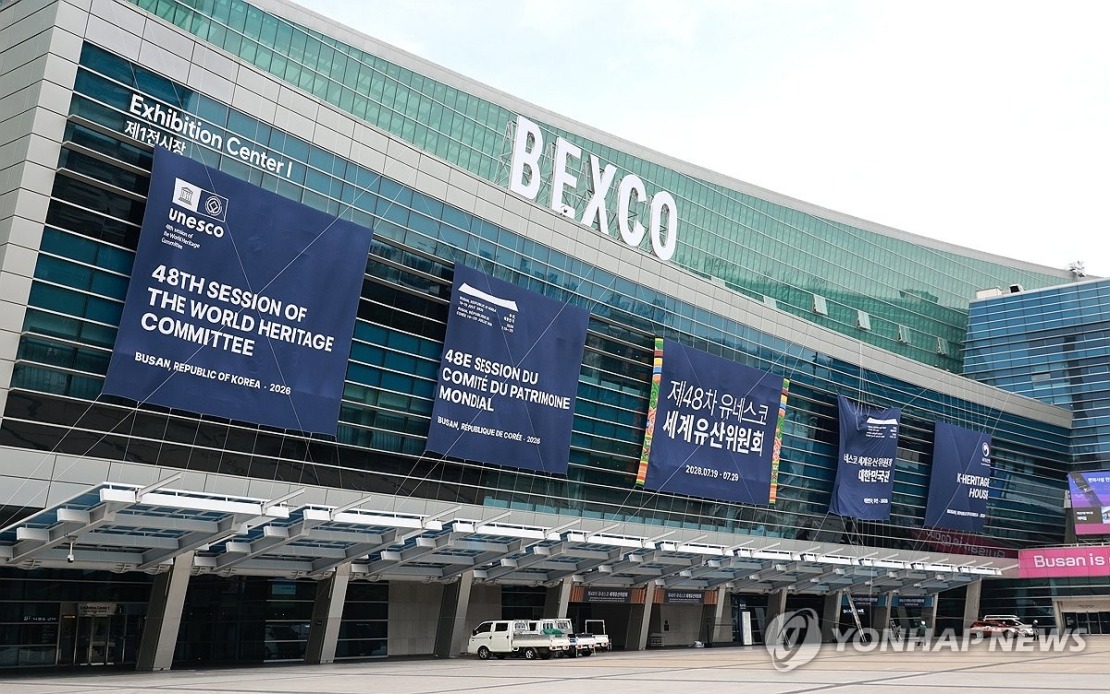
South Korea will host the UNESCO World Heritage Committee's annual session in Busan this week, a significant milestone for the country as it becomes the first location to welcome this influential gathering of international heritage experts and policymakers. The committee's convening in the coastal port city, approximately 330 kilometres south-east of Seoul, underscores growing recognition of Asia's role in shaping global conservation standards and cultural preservation frameworks.
The assembly brings together an anticipated 3,000 participants representing 196 UNESCO member states, alongside representatives from international organisations and civil society groups. This scale of participation reflects the universal importance placed on heritage conservation in an era of rapid environmental change and urban development pressures affecting cultural sites across every continent. The gathering occurs at the Busan Exhibition and Convention Centre, a facility chosen to accommodate the logistics of coordinating discussions and decisions involving so many stakeholders with diverse interests and conservation priorities.
Leading the proceedings will be UNESCO Director-General Khaled El-Enany, whose leadership guides the organisation's strategic vision on cultural and natural heritage protection. Assistant Director-General for Culture Nayef Al-Fayez and Lazare Eloundou Assomo, director of the World Heritage Centre, will also attend, bringing their expertise in implementing conservation policies and managing the operational complexities of the global heritage framework. Their presence signals the high-level commitment to this session and the substantive nature of the discussions anticipated over the 10-day period.
This marks a historic occasion for South Korea, which formally acceded to the UNESCO World Heritage Convention in 1988. Over the intervening decades, the country has developed considerable expertise in heritage management and has seen several of its own sites inscribed on the World Heritage List, combining traditional preservation approaches with modern conservation science. Hosting this committee session represents both recognition of that experience and an opportunity for South Korean perspectives on heritage challenges to influence global policy discussions.
The World Heritage Committee serves as the primary decision-making mechanism within the UNESCO framework concerning the identification, protection and management of natural and cultural properties of outstanding universal value. Throughout its annual meetings, the committee reviews and approves nominations from member states seeking to inscribe new sites on the prestigious World Heritage List. This responsibility carries significant weight, as inscription brings both international recognition and access to technical and financial resources for conservation efforts, while simultaneously placing sites under heightened scrutiny regarding their management and protection standards.
Beyond nominations, the committee carefully assesses the conservation status of already-inscribed sites, examining whether they face threats to their integrity or authenticity. This monitoring function has become increasingly critical as climate change, conflict, inadequate funding, and urban expansion pose mounting challenges to heritage properties worldwide. The committee's evaluations can prompt international support for struggling sites and, when necessary, lead to the removal of sites from the list should their condition become untenable—a rare but consequential measure.
For Southeast Asian nations, including Malaysia, the committee's deliberations carry direct relevance. The region possesses remarkable natural and cultural heritage, from the Sundanese volcanic landscapes to ancient temple complexes and colonial-era urban centres. Malaysian sites such as the Gunung Mulu National Park and the Melaka and Georgetown Historic Towns have benefited from World Heritage designation. Understanding how the committee approaches emerging conservation issues—such as balancing sustainable development with preservation, addressing climate impacts on coastal and forest heritage, and ensuring indigenous communities have voice in management decisions—provides insights that inform national heritage strategies.
The agenda for this session will encompass policy discussions that extend well beyond individual site inscriptions. The committee examines the evolving definition of heritage in contemporary contexts, debates standards for evaluating universal value, and grapples with questions about equitable representation in the World Heritage List. Critics have long noted that European and Western heritage appears disproportionately represented historically, prompting deliberations on whether the system adequately recognises the outstanding significance of Asian, African, and Latin American heritage.
Climate change adaptation has emerged as a defining concern for heritage committees globally. Rising sea levels threaten coastal sites, shifting precipitation patterns endanger ecosystems supporting natural heritage, and temperature extremes accelerate deterioration of structures and artworks. The Busan session will likely feature substantive discussions on integrating climate resilience into conservation planning and mobilising financial resources for adaptation measures. These conversations directly affect regions like Southeast Asia, where many heritage sites face acute climate vulnerability.
The committee's work also addresses the complex relationship between heritage conservation and community development. Many World Heritage Sites exist in developing regions where communities depend on natural resources or seek economic growth through tourism and infrastructure. The committee must navigate the tension between preserving sites in their current state and enabling local populations to improve livelihoods and living standards. This balance becomes particularly acute in countries with limited conservation funding and competing development priorities.
For Malaysia and its Southeast Asian neighbours, the outcomes from this Busan session will help shape international guidance on heritage management practices. The technical recommendations and policy frameworks adopted will likely influence how national governments approach their own heritage sites. Additionally, the committee's discussions on funding mechanisms and capacity-building support inform what international assistance developing nations can expect when managing World Heritage properties.
The convening in South Korea also represents an opportunity for the country to advance its diplomatic objectives and soft power through cultural leadership. Hosting the committee positions South Korea as a thoughtful steward of global heritage and provides a platform for its officials to engage with counterparts from every region. This diplomatic dimension of heritage governance often goes unrecognised but carries real consequences for how nations interact on conservation issues and related environmental matters.
As the committee conducts its business over the coming days, the deliberations in Busan will reverberate through heritage communities worldwide. The decisions made will shape nomination outcomes, influence conservation priorities, and establish precedents for how the international community addresses the increasingly complex challenge of protecting humanity's most valued cultural and natural treasures in an era of unprecedented environmental and social change.

