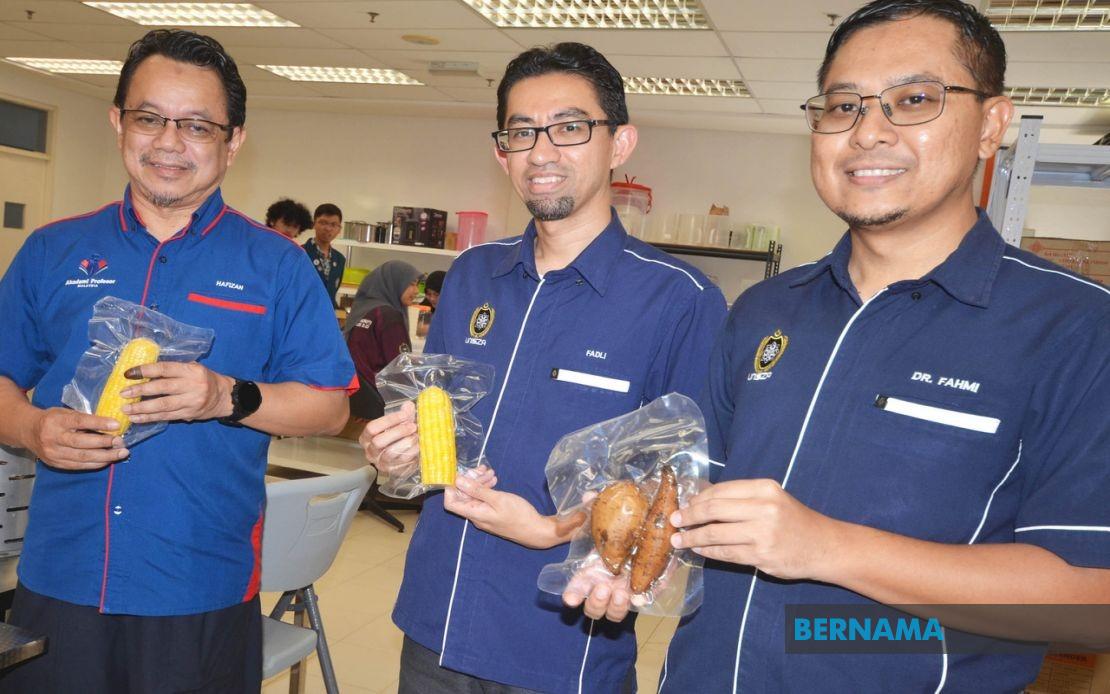
Universiti Sultan Zainal Abidin (UniSZA) is addressing a persistent challenge facing rural farming communities across Southeast Asia through an innovative initiative that transforms surplus agricultural produce into commercially viable products. The Dapur Komuniti, or Community Kitchen, represents a practical solution to the longstanding problem of farm-gate price collapse when local farmers find themselves unable to reach broader markets, a scenario that has plagued agricultural regions throughout Malaysia and the wider region.
The initiative emerged from tangible research findings gathered at UniSZA's Besut campus, where faculty researchers identified systemic barriers preventing farmers from capturing fair value for their harvests. According to Prof Dr Hafizan Juahir, dean of the faculty overseeing the project, investigations revealed that Besut farmers struggled significantly with both marketing infrastructure and the negotiating power held by agricultural middlemen. These intermediaries have traditionally controlled distribution channels, leaving producers with minimal leverage over pricing and forcing them to accept depressed farm-gate rates that undermine their economic sustainability.
The economic impact on growers has been substantial and measurable. Sweet potatoes grown in the Besut area exemplify this disparity, having sold for less than RM2 per kilogramme at the farm gate while identical produce commanded considerably higher prices in urban markets such as Kuantan in Pahang and major city centres. This price gap, which Prof Hafizan attributed partly to logistical constraints and unequal access to digital marketing platforms, creates a perverse incentive structure where farmers absorb losses on unsold inventory while consumers pay markups that benefit only middlemen rather than primary producers.
Working in collaboration with the Sustainable Community Farm at the Besut campus, UniSZA's Community Kitchen functions simultaneously as a food innovation hub and an economic development platform for the surrounding agricultural community. Rather than simply studying the problem, the university has invested in infrastructure and expertise to convert unmarketable fresh produce into shelf-stable value-added products capable of commanding premium prices. This conversion process extends product shelf life beyond one year, fundamentally altering the economics of farm-to-consumer supply chains by reducing waste and creating opportunities for direct farmer participation in higher-margin markets.
One concrete example demonstrates the model's potential. The initiative has developed pickled Terengganu Sweet Melon, a product manufactured from lower-grade melons that would otherwise be discarded as unsaleable. By processing these rejected fruits into preserved products with established consumer demand, the kitchen simultaneously achieves two objectives: reducing agricultural waste while generating additional income streams that flow directly to farming families. The approach transforms what appears to be agricultural failure into commercial opportunity, shifting the economics of production in favour of growers rather than allowing losses to accumulate.
Beyond product development, the Community Kitchen serves as a skills-transfer institution. The facility provides hands-on training in food processing techniques to local residents, with particular emphasis on farmers seeking to diversify their income sources. By equipping producers with technical knowledge about preservation methods, food safety standards, and product development, UniSZA enables rural entrepreneurs to operate independent processing enterprises rather than remaining dependent on external processors or middlemen.
The university is advancing this skills agenda further through formal recognition pathways. Discussions are underway with the Department of Skills Development to accredit the Community Kitchen as a training centre for the Malaysian Skills Certificate (SKM) in food processing. This institutional validation would allow UniSZA students to combine traditional academic credentials with industry-recognised technical qualifications, ensuring graduates enter employment markets with both theoretical knowledge and practical competencies that employers actively seek.
The credential structure also creates pathways for non-traditional learners. By positioning the Community Kitchen as an SKM accreditation centre, the initiative becomes accessible to broader community segments, including Malaysian Armed Forces veterans transitioning to civilian employment. For this demographic, acquiring food processing certifications represents a concrete mechanism for developing income-generating capabilities after military service concludes, addressing a persistent challenge in civilian reintegration programmes.
The Community Kitchen model carries implications extending well beyond Besut. Rural agricultural communities throughout Terengganu and neighbouring states face similar structural challenges: geographic isolation from urban markets, limited individual marketing capacity, and asymmetric power relationships with agricultural traders. The UniSZA initiative demonstrates that university-community partnerships can address these systemic inequities by investing in processing infrastructure, technical training, and product development that enhance farmer bargaining positions. Such models align with Malaysian economic policy emphasising rural development and agricultural modernisation.
From a regional perspective, the initiative responds to Southeast Asian agricultural realities where small-scale farmers constitute the majority of the agricultural workforce yet capture diminishing shares of final consumer prices. Countries throughout the region grapple with similar farm-gate pricing pressures, post-harvest losses exceeding 20 percent in some agricultural sectors, and limited farmer access to value-chain upgrading opportunities. The Community Kitchen's integrated approach—combining research, infrastructure, training, and market linkage development—offers a replicable model for other universities and development organisations across the region.
The initiative also reflects broader recognition that addressing agricultural sustainability requires institutional commitment extending beyond academic research. By establishing operational facilities where knowledge translates directly into community benefit, UniSZA demonstrates how tertiary institutions can position themselves as development anchors within rural economies. The Community Kitchen generates measurable outcomes—waste reduction, farmer income enhancement, employment creation—while simultaneously advancing research objectives and student learning through experiential engagement with real-world agricultural challenges.
Looking forward, the success of the Dapur Komuniti will likely depend on developing reliable distribution networks for value-added products, establishing consumer demand in target markets, and ensuring that processing activities remain economically viable for farmer participants. The model's sustainability ultimately hinges on creating market structures that reward processing participation sufficiently to justify farmer investment in training and product development. As the initiative matures, its effectiveness in reshaping farm-to-consumer relationships in Besut will provide important insights for scaling similar approaches throughout Malaysia's agricultural regions.

