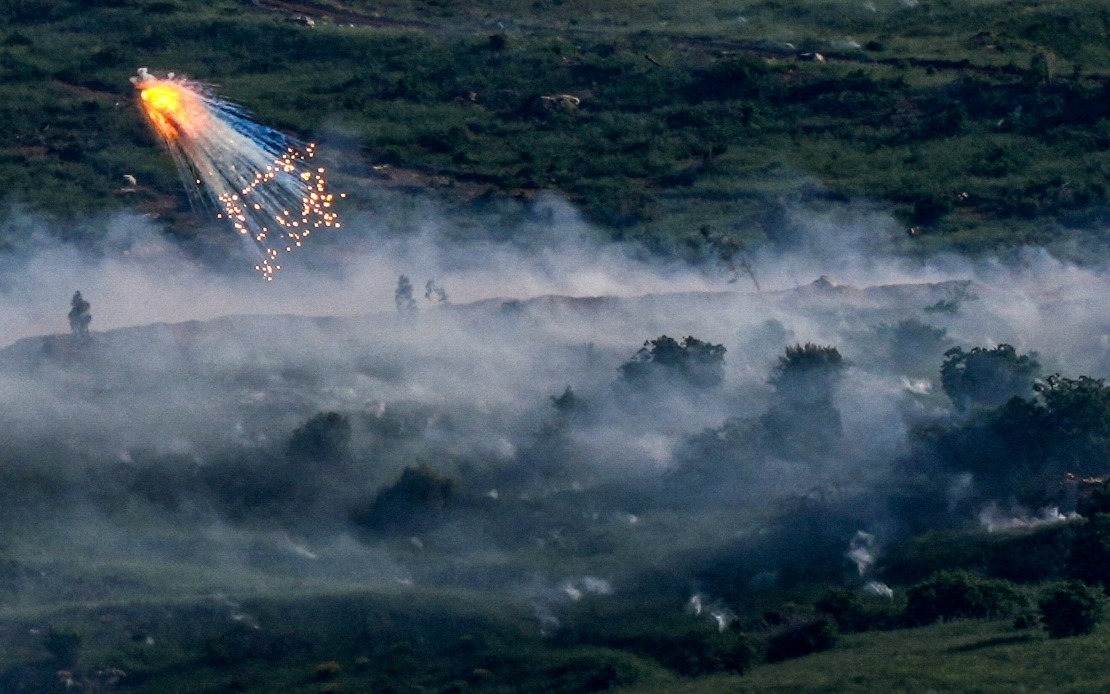
The United States has escalated its travel guidance for citizens, instructing them to refrain from journeys to Lebanon and the northern territories of Israel as geopolitical tensions continue to mount across the wider Middle Eastern region. Both the American Embassy in Beirut and the embassy in Jerusalem issued coordinated warnings on Saturday, reflecting deepening anxiety about the security landscape and the unpredictable nature of potential crises that could affect foreign nationals.
The Beirut embassy articulated its concerns in explicit terms, noting that the broader West Asian environment remains fraught with complexity stemming from persistent high tensions. Officials emphasized that while military and political hostilities have not erupted into outright conflict, the structural conditions favouring rapid escalation persist, leaving little margin for de-escalation. This assessment underscores the precarious equilibrium that currently characterises the region, where miscalculation or unexpected provocations could swiftly transform simmering tensions into open confrontation.
The Jerusalem embassy extended the warning to encompass Gaza and portions of the Egyptian frontier, carving out an exception only for the Taba crossing. Additionally, American officials recommended that citizens undertake a comprehensive reassessment of any planned movements throughout West Asia more broadly, suggesting that risk factors extend beyond specific hotspots to encompass the entire geographical zone. This blanket advisory indicates that American security analysts perceive systemic instability rather than isolated pockets of danger.
The timing of these announcements reflects genuine apprehension about the trajectory of international relations in the region. The underlying tensions stem from a complex pattern of military exchanges between the United States and Iran, despite the existence of a memorandum of understanding brokered by Pakistan in June. That diplomatic agreement was ostensibly designed to arrest escalatory cycles and establish foundational principles for lasting peaceful coexistence. Yet the persistence of hostile military actions suggests the accord has failed to constrain fundamental strategic rivalries or resolve the underlying drivers of confrontation.
For Malaysian travellers and residents in the region, the implications warrant careful consideration. Many Malaysians maintain business, educational, and family connections across West Asia, making travel restrictions a tangible concern for numerous citizens. The Foreign Ministry in Kuala Lumpur typically issues its own advisory statements in response to American guidance, and Malaysian nationals should monitor official government pronouncements regarding travel safety. The cumulative effect of multiple countries issuing restrictive travel advisories typically indicates that international risk assessment communities perceive genuine dangers rather than precautionary overstatement.
The broader geopolitical context illuminates why American officials feel compelled to issue such warnings despite diplomatic engagement channels remaining ostensibly open. The Iran-US relationship has historically oscillated between periods of relative restraint and acute confrontation, driven by competing strategic interests in regional influence, military capabilities, and ideological positioning. The June agreement suggested a potential turning point, yet the persistence of military exchanges indicates that fundamental trust remains absent and that institutional mechanisms for preventing accidental escalation remain underdeveloped or ineffective.
The security environment in Lebanon carries its own distinct dimensions beyond the wider Iran-America dynamic. The Lebanese state remains institutionally fragile, with significant portions of territory administered by non-governmental actors and external powers maintaining considerable influence over internal affairs. This fragmentation creates unpredictable environments where foreign nationals face vulnerability not merely to state-level conflicts but to localised instability, criminal activity, and the presence of armed groups operating outside state control.
Northern Israel similarly occupies a distinctive position within the broader regional conflict architecture. Historical tensions along Israel's northern borders have periodically erupted into military exchanges, and the presence of various armed actors across the frontier creates recurring flashpoint conditions. The ongoing instability in neighbouring territories ensures that this region remains susceptible to rapid deterioration, even absent major shifts in official policy announcements.
The strategic implications of these travel warnings extend beyond individual traveller safety to encompass broader patterns of international risk perception. When the world's largest economy and its diplomatic apparatus issue such comprehensive travel restrictions, it sends powerful signals to financial markets, international businesses, and other governments regarding the perceived trajectory of regional stability. This inevitably influences investment decisions, commercial flows, and the willingness of international actors to undertake new commitments in affected regions.
For Malaysian policymakers and business communities, the American advisories warrant serious attention regarding portfolio exposure and personnel deployment across West Asia. While Malaysia maintains diplomatic relations and commercial interests throughout the region, concentrating assets or personnel in zones of elevated American concern creates potential complications for insurance coverage, corporate liability, and employee safety obligations. Many multinational corporations reference official government travel warnings when determining operational policies, meaning American guidance effectively shapes global business decision-making.
The coming weeks and months will prove critical in determining whether current tensions gradually subside or continue intensifying. The June memorandum between Pakistan-brokered parties suggested that diplomatic pathways remained available, yet the persistence of military actions indicates that confidence-building remains incomplete. International observers will monitor whether additional diplomatic initiatives emerge or whether the current warning posture reflects settling into a new equilibrium of managed tension punctuated by periodic flare-ups.
Malaysian citizens planning travel or maintaining residency in affected areas should immediately consult with the Foreign Ministry's travel advisory services and maintain contact with Malaysian diplomatic missions operating in the region. Individual circumstances vary significantly, and blanket warnings require nuanced application to specific situations. Nevertheless, the coordinated nature of American embassy warnings suggests that international security assessments have shifted toward greater caution, justifying heightened vigilance among all travellers regardless of nationality.

