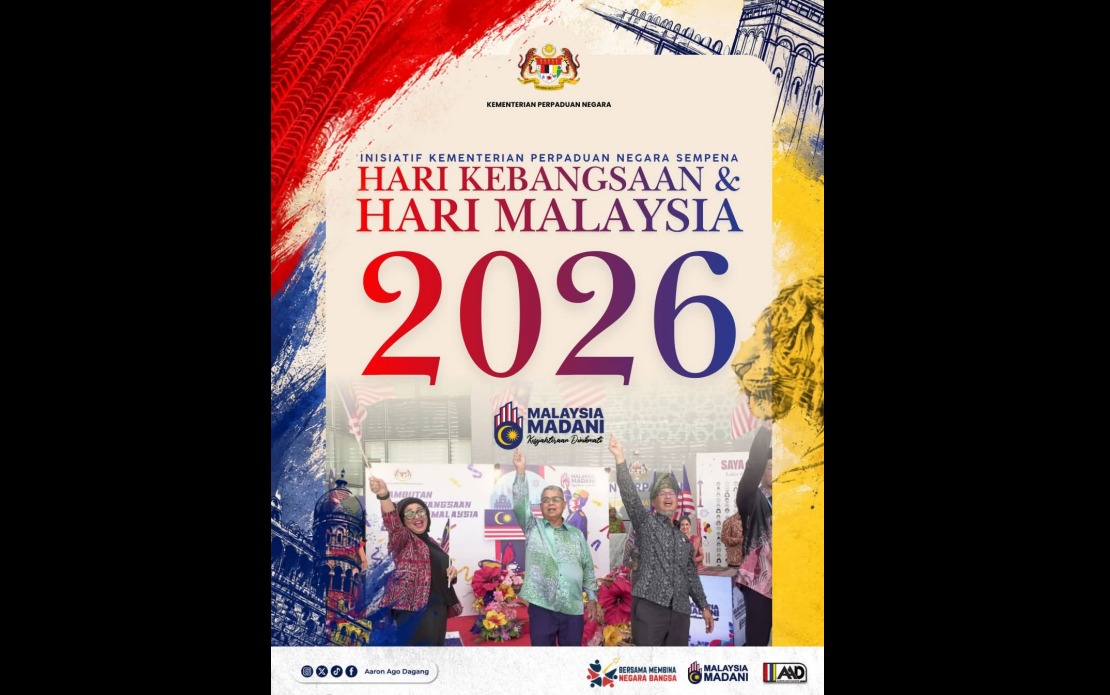
Malaysia's National Unity Ministry (KPN) is preparing an ambitious slate of cultural and educational programmes aimed at reinforcing national identity and patriotism as the country approaches its 2026 National Day and Malaysia Day observances. The eleven-point initiative represents a comprehensive effort to engage Malaysians across multiple demographics through events celebrating the nation's history, heritage, and founding principles.
According to Minister Datuk Aaron Ago Dagang, the programmes form part of a strategic approach to nation-building that acknowledges Malaysia's multicultural fabric while fostering deeper appreciation for shared values. The initiatives encompass a wide range of activities designed to appeal to different audience segments, from young children to historical enthusiasts and competitive participants interested in public speaking.
Central to the ministry's plans is the 2026 National Unity Integration Movement, which will serve as an overarching platform for various community engagement activities. This initiative is intended to create touchpoints where Malaysians from different backgrounds can interact and strengthen their understanding of one another. The movement's design reflects growing recognition that sustained unity requires consistent, deliberate programming rather than sporadic campaigns.
Among the specific programmes is Malaysia's Merdeka Children Celebration, targeting younger generations who will inherit the responsibilities of maintaining national cohesion. By engaging children early through celebratory events, the ministry aims to instil patriotic sentiment during formative years. This approach recognises that foundational attitudes toward national identity often develop during childhood and can significantly influence long-term civic engagement.
An Exhibition on Independence will provide historical context for contemporary Malaysia, allowing citizens to explore the nation's journey from colonial rule to independent statehood. Such exhibitions serve educational purposes while fostering emotional connections to the country's historical achievements. They also offer opportunities for families to engage together with narratives that might otherwise remain abstract in textbooks.
The ministry will also organise a programme specifically commemorating Tun Abdul Razak, Malaysia's first Prime Minister and a pivotal figure in the nation's founding. This focused tribute acknowledges the importance of honouring key historical figures whose contributions shaped the nation's institutions and character. Such programmes help maintain historical memory and educate newer generations about leadership that defined Malaysia's early years.
The Pesta Bola Merdeka Exhibition continues Malaysia's tradition of celebrating sports as a unifying national pastime. Football's popularity across ethnic and religious communities makes it a particularly effective vehicle for promoting unity and national pride. The exhibition format allows for interactive engagement rather than passive observation, potentially increasing impact.
Night at the Museum represents an innovative approach to heritage preservation and public engagement, transforming museum spaces into evening destinations where Malaysians can explore cultural and historical exhibitions in a social setting. This format broadens museum accessibility beyond traditional daytime visitors and creates memorable experiences that may deepen appreciation for national heritage.
The Rukun Negara Oratory Competition directly engages citizens in articulating the nation's founding principles through public speaking. By inviting Malaysians to compete in speeches centred on the Rukun Negara—the five national principles—the ministry encourages deep reflection on these values and creates platforms for diverse voices to express their understanding of national unity. Such competitions also identify potential youth leaders and advocates for national cohesion.
The broader context for these initiatives reflects the ministry's assessment that Malaysia faces ongoing challenges in maintaining social harmony amid demographic diversity and competing interests. By scheduling these programmes specifically around major national celebrations in 2026, the ministry creates coordinated messaging that might amplify impact and media attention. The concentration of activities during these commemoration periods also aligns with existing public enthusiasm for national festivities.
For Malaysian readers, these initiatives represent the government's structured investment in national identity formation during a period when social cohesion requires conscious maintenance. The programmes acknowledge that unity cannot be assumed but must be actively cultivated through shared experiences and common reference points. The diversity of activities suggests the ministry recognises that different population groups respond to different types of engagement, from competitive activities to exhibitions to children's celebrations.
Regionally, Malaysia's emphasis on formal unity programming may offer perspectives for other Southeast Asian nations navigating similar multicultural contexts. The approach reflects confidence that institutional support for national consciousness remains valuable despite criticisms sometimes levelled against such initiatives. Whether the programmes will successfully achieve their stated objectives of strengthening patriotism and national identity will depend significantly on implementation quality and genuine community participation beyond official proceedings.
The ministry has indicated that detailed information regarding all eleven initiatives will be made available through its social media channels, reflecting contemporary communication strategies for reaching diverse audiences. This digital-first approach to dissemination suggests awareness that effective public engagement requires meeting constituents through their preferred information sources rather than relying solely on traditional media or official announcements.

