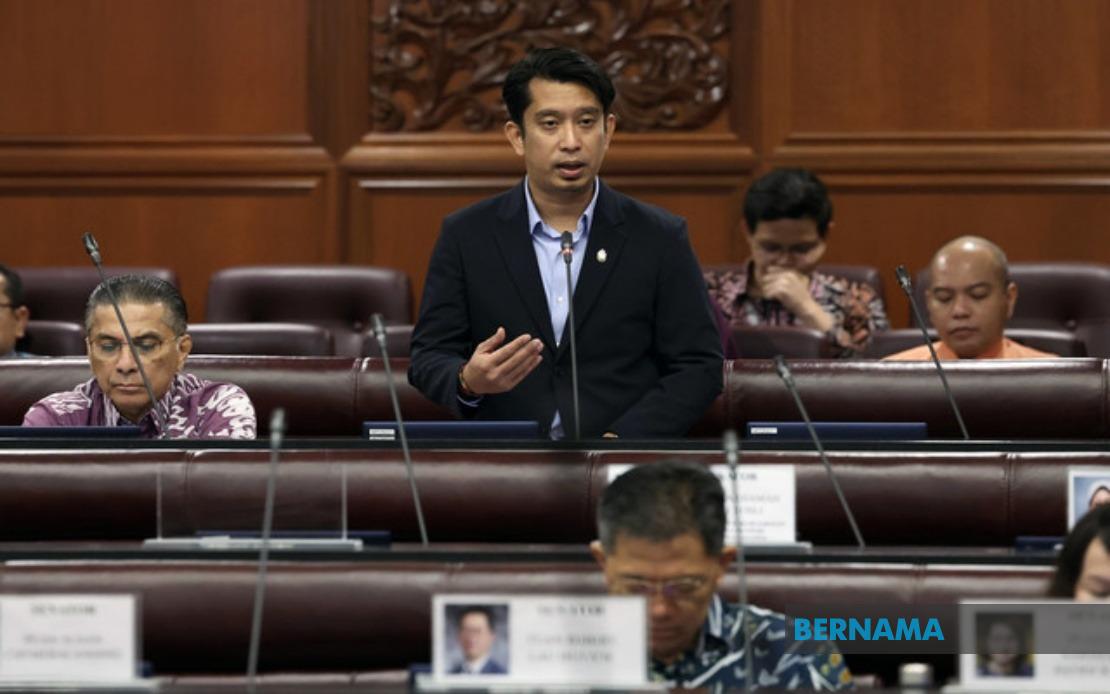
Higher education institutions in Malaysia possess the authority to withdraw industrial training placements and recall students whenever genuine safety concerns surface, Deputy Higher Education Minister Adam Adli Abd Halim stated during parliamentary proceedings. The declaration came following assessments conducted by individual institutions or formal complaints lodged by students themselves, signalling a shift towards more responsive safety governance in the national university system.
The pronouncement addresses mounting concerns about workplace safety standards for student interns, particularly in the aftermath of a tragic incident that claimed the life of a Universiti Putra Malaysia trainee. The student died on June 16 while undertaking maintenance operations at the Saujana 1 water tower facility in Kuala Selangor, an occurrence that prompted legislative scrutiny and calls for stricter oversight mechanisms. The incident crystallised broader questions about whether sufficient safeguards exist to protect vulnerable students navigating industrial placements across the country's diverse employment sectors.
Adam Adli elaborated that higher education authorities deeply regret such fatalities and are actively enhancing their monitoring and feedback mechanisms to prevent further tragedies. The government's commitment to continuous improvement reflects recognition that existing frameworks may harbour gaps requiring remedial attention. By emphasising both institutional assessment capabilities and student-initiated reporting channels, officials are attempting to create a more responsive ecosystem where warning signs trigger immediate intervention rather than remaining buried in administrative silence.
Universities must conduct substantially more rigorous evaluations of potential training organisations before approving placements, according to the deputy minister's guidance. This reassessment framework should encompass comprehensive review of employer safety records, documented historical incidents, and broader industry reputation. Rather than accepting placements opportunistically based on convenience or existing relationships, institutions must now approach vetting with heightened scrutiny, particularly when sectors inherently involve elevated occupational hazards.
Specialised handling applies to high-risk industries where physical danger forms an integral component of workplace operations. Students destined for such environments will only be assigned to organisations demonstrating compliance with established safety requirements and possessing certified safety management systems. This categorical distinction recognises that generic safety training proves insufficient for activities involving heights, electrical hazards, chemical exposure, or heavy machinery. The policy effectively creates a tiered approach where risk level determines the stringency of pre-placement requirements.
Students destined for high-risk sectors must complete mandatory safety courses and secure relevant certifications prior to commencing their placements. This prerequisite ensures that trainees possess foundational knowledge about hazard identification, risk mitigation, and appropriate response protocols before encountering actual workplace environments. Beyond formal certification, participants must undergo comprehensive briefings addressing workplace safety culture, health protocols, risk assessment methodologies, personal protective equipment usage, emergency procedures, and incident reporting mechanisms. These preparatory sessions establish both practical competence and awareness of institutional support structures available when problems arise.
During the actual training period, oversight responsibility falls upon both academic supervisors from universities and industry mentors from host organisations. Monitoring mechanisms encompass scheduled physical visitations, virtual check-ins accommodating contemporary remote communication preferences, systematic review of student progress documentation, and sustained regular dialogue. This dual-supervisor model creates accountability across institutional boundaries and ensures that neither university nor employer can unilaterally neglect student welfare during their placement tenure.
Comprehensive insurance protection represents another significant safeguard now emphasised within the policy framework. All industrial training participants benefit from the University Group Insurance Scheme, which provides financial and medical coverage should accidents or adverse incidents occur during their training periods. This safety net addresses not only direct medical costs but also income replacement and long-term disability provisions, offering meaningful protection to students and their families facing unexpected occupational injuries.
The regulatory evolution reflects broader Southeast Asian trends recognising that student welfare requires proactive institutional governance rather than reactive crisis management. Malaysia's approach parallels international best practices in other developed economies where employer accountability, comprehensive training, and robust insurance combine to create safer learning environments. For Malaysian students, these enhanced protocols signal that their universities take placement safety seriously enough to exercise withdrawal authority when warranted, fundamentally altering the power dynamic between institutions and potentially negligent employers.
Implementation success, however, depends critically upon institutional willingness to exercise withdrawal authority decisively and promptly. The framework provides tools and authorisation, but actual protection depends upon university administrators making difficult decisions when safety concerns materialise. Pressure to maintain placement numbers or preserve employer relationships could tempt some institutions to rationalise borderline situations rather than invoking withdrawal authority. Sustained government oversight and transparent reporting of withdrawal decisions will prove essential to ensuring that regulatory authority translates into meaningful student protection across Malaysia's diverse higher education landscape.

