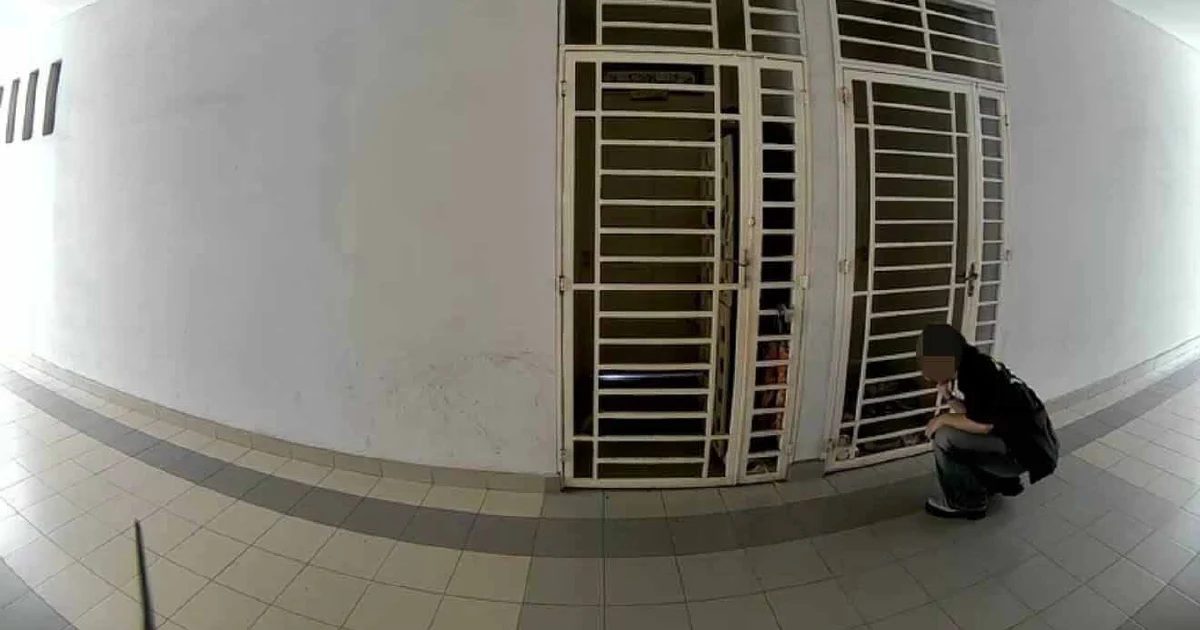
Police in Shah Alam have taken a public university student into custody on suspicion of engaging in a prolonged campaign of harassment and stalking directed at a female fellow student spanning several months from April onwards. The arrest underscores mounting concerns about interpersonal safety within Malaysian tertiary institutions, where boundaries between academic life and personal conduct increasingly blur in digital and physical spaces.
The detained student stands accused of conduct that crosses from unwanted attention into potentially threatening behaviour, a distinction that campus authorities and law enforcement are learning to navigate with greater sensitivity. Stalking and harassment charges carry significant legal implications, particularly when they involve minors or younger adults in educational settings where power dynamics and institutional hierarchies complicate victim support and accountability mechanisms.
The case emerges during a period of heightened awareness around campus safety in Malaysia, driven by student activist movements and support organisations advocating for stronger institutional protocols. Universities have historically grappled with inadequate reporting mechanisms and insufficient staff training to handle such incidents, leading to persistent underreporting across the sector. When cases do surface through formal channels, they often reveal systemic gaps in both prevention and response frameworks.
The four-month timeline of alleged harassment reflects a pattern rather than isolated incidents, suggesting the victim endured sustained distress before taking action or receiving intervention. Such prolonged situations frequently cause psychological damage that extends beyond the immediate period of contact, affecting academic performance, mental health, and sense of safety on campus. The decision to involve police rather than rely solely on internal university mechanisms indicates either institutional failure or recognition that the matter exceeded administrative scope.
Harassment and stalking among university-age peers often involves digital dimensions—repeated messaging, unwanted social media contact, monitoring of online activity—alongside physical presence that makes avoidance exceptionally difficult in confined campus environments. Students cannot simply change jobs or relocate as might be more feasible in workplace harassment contexts, intensifying the psychological pressure of such situations. The insidious nature of peer-on-peer harassment within universities demands that institutions develop sophisticated intervention systems rather than dismissing such behaviour as typical adolescent difficulty.
The Shah Alam arrest signals law enforcement's willingness to treat university campus incidents seriously through criminal rather than purely disciplinary channels, a shift that reflects evolving cultural attitudes toward consent, boundaries, and gendered violence. However, this approach also places burden on students to navigate police procedures and legal processes while continuing their studies, potentially creating additional trauma or academic disruption. Many student advocates argue for parallel institutional processes that prioritise victim recovery and support alongside accountability.
Malaysia's public universities serve hundreds of thousands of students across numerous campuses, yet comprehensive data on harassment and stalking incidents remains limited, partly due to inconsistent reporting standards and confidentiality protocols. This information vacuum makes prevention difficult and enables assumptions that such behaviour remains rare, when international evidence suggests peer harassment affects substantial student populations. Greater transparency and systematic data collection would enable universities to identify patterns, allocate resources effectively, and design targeted interventions.
The case also illuminates the role of bystanders and peer networks in either enabling or interrupting harmful behaviour. Campus communities where such conduct is normalised, minimised, or tacitly accepted create permissive environments. Conversely, institutions fostering cultures where peers actively support targets and challenge perpetrators tend to see reduced harassment incidents. Cultivating such environments requires sustained effort from leadership, faculty, student organisations, and support services working in concert.
Institutional policies governing student conduct vary significantly across Malaysia's public university system, creating inconsistency in how harassment and stalking are defined, investigated, and sanctioned. Developing standardised, evidence-based policies across the sector would improve consistency and clarity, while allowing institutional adaptation to local contexts. Such frameworks should incorporate trauma-informed approaches that prioritise victim safety and psychological wellbeing alongside appropriate consequences for perpetrators.
The investigation's outcome will likely influence how both this particular institution and others across Malaysia approach similar cases in future. Conviction or formal finding would establish precedent regarding criminal liability for peer stalking, potentially encouraging more victims to report through formal channels. Conversely, acquittal or case dismissal could discourage reporting and reinforce victim reluctance to engage with authorities, underscoring the stakes involved in how such cases proceed through both legal and institutional systems.
Moving forward, Malaysian universities face pressure to strengthen campus safety through multiple levers: enhanced reporting mechanisms that reduce barriers for victims; training programmes for staff and student leaders to recognise and respond to harassment; mental health resources for affected students; clear consequences frameworks; and regular communication that reinforces institutional commitment to supporting all community members. The Shah Alam case represents one incident within a larger ecosystem of behaviours, attitudes, and systems that require comprehensive, sustained attention across the higher education sector.

