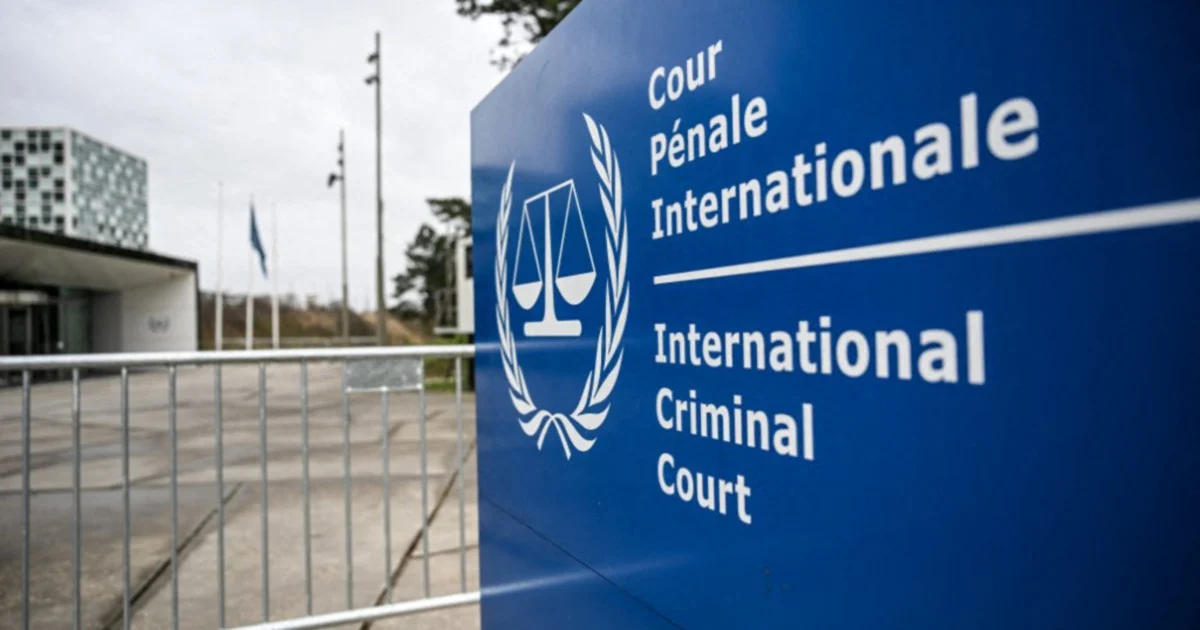
Two American civil liberties organisations have initiated legal proceedings against the Trump administration this week, contending that punitive measures directed at the International Criminal Court infringe upon constitutionally protected free expression. The lawsuit follows what critics describe as an escalating diplomatic offensive by US officials aimed at undermining the authority and operations of the global judicial institution.
The challenge represents a significant constitutional confrontation between executive authority and fundamental democratic protections. The advocacy groups assert that the imposition of sanctions functions as an attempt to silence advocacy and restrict the ability of organisations and individuals to freely engage with and support the work of the ICC. This legal manoeuvre reflects broader concerns among civil society actors about the scope and limits of presidential power when applied to international institutions.
The ICC, headquartered in The Hague, operates as an independent international body established to prosecute individuals for crimes of genocide, crimes against humanity, and war crimes. Its independence from national governments has historically been central to its legitimacy, particularly among smaller nations that lack the military or economic power to pursue justice independently. The Trump administration's aggressive stance towards the court marks a departure from decades of American foreign policy nuance regarding multilateral institutions.
For Malaysian and regional observers, these developments carry particular significance. Southeast Asia remains deeply engaged with international justice mechanisms, with several nations having invested diplomatic capital in supporting the ICC's mandate. The Philippines, for instance, has experienced contentious relations with the court following accusations of extrajudicial killings, while other regional states view the ICC as a potential safeguard for their sovereignty and territorial integrity. American opposition to the institution potentially weakens its effectiveness across multiple continents.
The constitutional argument advanced by the advocacy groups introduces a distinctive legal dimension to what might otherwise appear as a straightforward foreign policy disagreement. By framing sanctions as restrictions on free speech, the challengers attempt to establish that efforts to disable or delegitimise international institutions cannot proceed unchecked when they implicate fundamental rights. This approach suggests that even foreign policy decisions operate within constitutional boundaries in the American system of government.
The diplomatic campaign referenced in the lawsuit extends beyond simple rhetorical opposition. US officials have apparently undertaken systematic efforts to persuade other nations to withdraw support from or weaken their participation in the ICC. Such coordination represents the kind of sustained governmental action that advocacy groups argue crosses constitutional lines by preventing American citizens and organisations from freely advocating for the institution's preservation and continued development.
The timing of the lawsuit coincides with a broader reassessment of American commitments to international institutions. The Trump administration has previously withdrawn from or threatened withdrawal from numerous multilateral arrangements, ranging from trade agreements to climate accords. The ICC represents a particularly sensitive case given longstanding American concerns about the potential prosecution of US citizens by what some American officials characterise as an unaccountable foreign tribunal.
However, American civil liberties organisations counter that legitimate concerns about court jurisdiction do not justify circumventing constitutional protections at home. The distinction between foreign policy disagreement and domestic constitutional violation forms the crux of the legal challenge. Courts must determine whether sanctions targeting an international institution constitute impermissible restrictions on the ability of Americans to support that institution through legal advocacy and expression.
The broader implications extend to how governments can exercise foreign policy authority. If courts accept the advocacy groups' argument, it would establish precedent that even executive actions in international affairs face constraints when they impinge upon domestic constitutional rights. Conversely, if courts defer to executive judgement in foreign policy matters, it would affirm expansive presidential power to reshape America's relationship with international institutions regardless of domestic free speech considerations.
For Southeast Asian governments and civil society organisations, the outcome carries practical consequences. If American opposition successfully diminishes the ICC's operational capacity or legitimacy, it could affect the court's ability to function as an impartial arbiter in cases involving regional disputes or alleged atrocities. Simultaneously, the legal principles at stake influence how national governments within the region balance security concerns with constitutional commitments to free expression and association.
The lawsuit also reflects deeper tensions within American society regarding international engagement. Whereas some constituencies view the ICC as essential to global justice, others perceive it as inimical to American interests and national sovereignty. These competing visions translate into court proceedings that ultimately define the legal boundaries of presidential authority in foreign relations.

