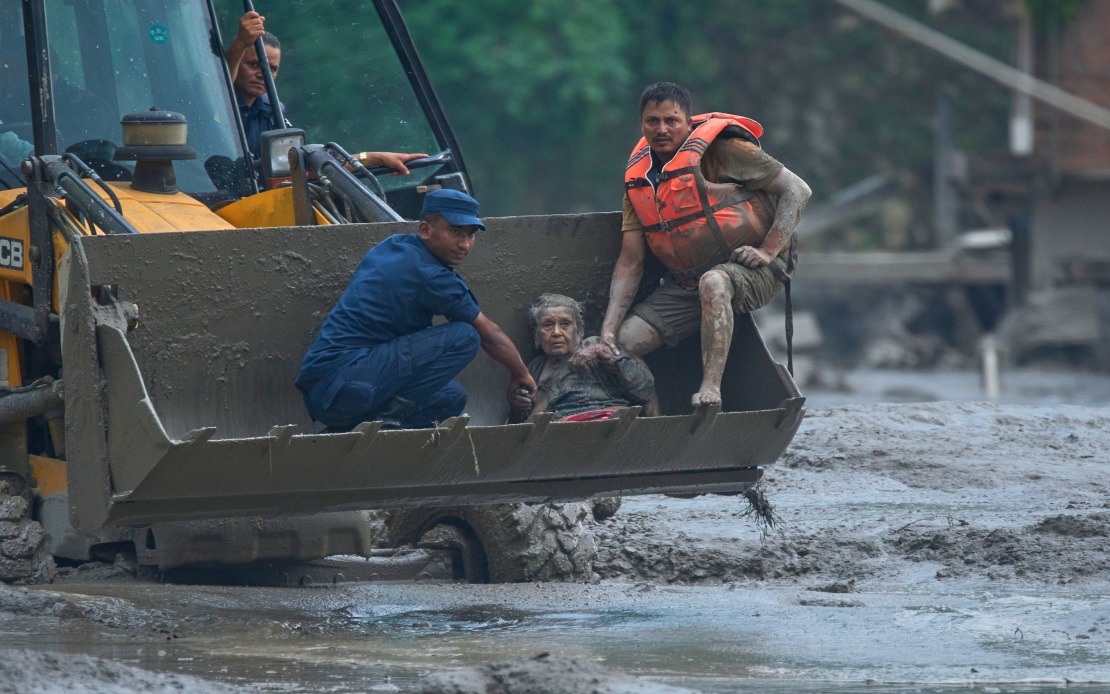
Faced with one of the region's most devastating natural disasters in recent memory, the United States and Canada have moved swiftly to offer humanitarian aid to Nepal following massive flash floods and mudslides that swept through areas bordering China. The twin catastrophes have claimed at least 160 lives and left more than 680 people unaccounted for, according to Nepalese authorities, while dozens of citizens from both North American nations remain missing in the wreckage. The rapid mobilisation of support from Washington and Ottawa underscores the scale of the emergency and the international dimensions of the crisis, particularly given the significant presence of American and Canadian nationals in Nepal's tourism and trekking sectors.
US State Department Secretary Marco Rubio publicly committed Washington's resources to assist Nepal's government with critical humanitarian operations. In a statement posted to social media, Rubio emphasised that the State Department stands prepared to deliver the necessary emergency aid Nepal urgently requires as rescue and recovery efforts intensify. Beyond practical assistance, Rubio's message conveyed American solidarity with the Nepali people, framing the disaster in terms that resonated with the scale of loss—describing the nation as "united in prayer" with Nepal's affected communities. This rhetorical positioning reflects how such transnational disasters prompt diplomatic expressions of compassion even as governments mobilise their institutional machinery to provide tangible relief.
Canada's leadership likewise responded with commitments of support and public acknowledgement of the human toll. Prime Minister Mark Carney characterised the flooding and mudslide situation as "absolutely devastating," language that captures both the physical destruction and the human suffering unfolding across Nepal's vulnerable mountain communities. Carney's statement reflected the emotional weight carried by his government's awareness that many Canadian nationals were among those affected—either directly through loss of life or through the anguish of uncertainty as families awaited news of missing loved ones. His emphasis on Canadians' concern for those "waiting for answers" acknowledged the particular anxiety families experience during extended search operations when outcomes remain unknown.
According to data compiled by Nepalese authorities, approximately 47 American citizens have been reported missing in the aftermath of the disaster, while a further 24 Canadians remain unaccounted for. These figures highlight the considerable exposure of North American nationals to the mountainous regions where the floods occurred—areas that attract trekkers, mountaineers, and adventure tourists from wealthy nations. However, it should be noted that both Washington and Ottawa have not yet independently verified these casualty figures, suggesting that the actual scope of impact on their citizens may still be under assessment as communication infrastructure in affected areas remains compromised.
The physical destruction wrought by the flooding extends far beyond immediate loss of life. Nepalese government estimates indicate that the disaster destroyed 13 hydropower facilities, infrastructure crucial to Nepal's energy security and development trajectory. The floods also obliterated approximately 40 kilometres of roads—a catastrophic loss in a country where mountain terrain already limits transportation networks and where road connectivity directly affects economic activity and humanitarian access. The disaster's assault on infrastructure proved relentless, with some 200 commercial trucks and 19 bridges swept away by torrents of water and debris-laden mud. This compound infrastructure damage will have lasting consequences for regional trade, tourism recovery, and the delivery of aid to isolated communities in the days and weeks ahead.
For Southeast Asian observers and Malaysia in particular, the Nepal disaster carries important implications for disaster preparedness and regional vulnerability. Nepal's experience demonstrates how rapidly climate-driven extreme weather events can overwhelm even fundamental infrastructure systems and how international cooperation becomes essential when natural disasters generate transnational humanitarian challenges. The presence of significant numbers of North American nationals in Nepal reflects broader patterns of tourism and adventure-seeking that similarly affect Malaysia and other regional destinations, raising questions about how nations manage risk communication and evacuation protocols when disasters strike areas populated by international visitors.
The involvement of the United States and Canada in Nepal's relief efforts also reflects established international humanitarian protocols whereby wealthy nations with substantial citizen presence in affected regions take active roles in coordination with host governments. Such cooperation typically involves sharing intelligence about missing nationals, providing financial resources for immediate relief operations, and deploying technical expertise in search and rescue where local capacity is overwhelmed. The speed with which both governments announced their readiness to assist suggests pre-existing contingency frameworks were activated—a recognition that Nepal's geographic position and climate vulnerability create recurring disaster risks.
As Nepal confronts the immediate challenge of locating hundreds of missing persons while simultaneously dealing with destroyed infrastructure and displaced populations, the international response from Washington and Ottawa will prove essential. Both governments possess resources—funding, technical capacity, logistical support—that can meaningfully contribute to Nepal's emergency response even as Kathmandu mobilises its own governmental institutions. The diplomatic messaging from both countries, emphasising solidarity and commitment, serves not only to comfort affected families but to signal to Nepal's government that it will not manage this crisis in isolation.
The disaster also raises broader questions about disaster mitigation and climate adaptation in the Himalayan region. Nepal's vulnerability to flash floods and mudslides reflects geographical realities—steep terrain, monsoonal rainfall patterns, and glacial melt—that are intensifying as global climate patterns shift. While immediate humanitarian response addresses urgent suffering, longer-term resilience will require investment in early warning systems, infrastructure hardening, and community preparedness. The involvement of international partners like the United States and Canada in Nepal's recovery offers potential opportunities for knowledge-sharing and capacity-building that could strengthen Nepal's defences against future events.

