The United States and Jamaica have moved to formalize their security relationship through a new agreement designed to coordinate military efforts against drug cartels and related criminal networks operating throughout the Western Hemisphere. The accord, announced by the US Southern Command (SOUTHCOM), represents a significant escalation in bilateral defence cooperation and signals Washington's determination to address what it views as a critical security challenge in its immediate region.
The agreement capitalizes on decades of existing military and security ties between the two nations, according to SOUTHCOM Commander General Francis L. Donovan. His statement emphasized that the partnership would strengthen the joint capacity to confront organized crime syndicates while expanding collaborative operations targeting various threats in the broader Western Hemisphere. This framing positions Jamaica as a strategic ally in a region where drug trafficking has become increasingly sophisticated and destabilizing.
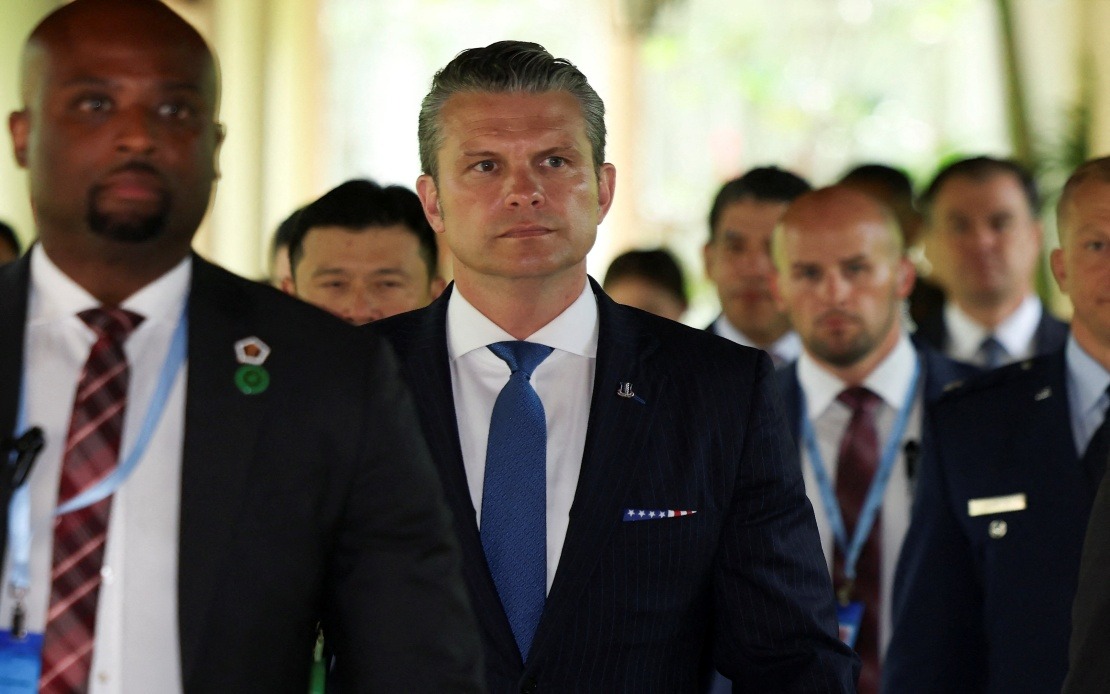
The timing of this formal agreement reflects momentum built at a high-level meeting in August during the A3C anti-cartel forum held in Panama. At that gathering, US Defense Secretary Pete Hegseth and Jamaica's Deputy Prime Minister and Minister of National Security Horace Chang discussed deepening bilateral military cooperation. The Panama meeting appears to have served as a precursor to the broader understanding now being formalized, demonstrating how regional forums can accelerate security partnerships among concerned nations.
For Malaysian and Southeast Asian observers, the Jamaica-US agreement carries instructive lessons about how Western nations structure counter-narcotics alliances. The emphasis on military coordination, information sharing, and joint operations mirrors approaches that regional governments have attempted to implement through mechanisms such as the Maritime Security Cooperation Agreement and various bilateral defence treaties. The degree of commitment demonstrated through formal agreements and dedicated command structures suggests the seriousness with which the US approaches what it considers near-existential security challenges in its hemisphere.
The broader context includes Operation Southern Spear, which Defense Secretary Hegseth announced in November 2025. This operation specifically targets drug cartel operations across Latin America and appears to represent a more aggressive posture than previous counter-narcotics efforts. The operation's naming convention and scope indicate a strategic shift toward more direct military intervention in what have traditionally been law enforcement domains, reflecting frustration with the scale and violence associated with transnational drug trafficking.
Quantifying the operational intensity of this effort, SOUTHCOM reported that since September 2025, US military forces have conducted at least 67 strikes against suspected drug smuggling vessels operating in the Caribbean and Pacific Ocean. These operations have resulted in 221 deaths according to SOUTHCOM's accounting. While presented as successful anti-cartel strikes, these figures underscore the militarized nature of the current approach and the human toll associated with expanding naval enforcement operations in maritime spaces.
The Caribbean context proves particularly significant for understanding why Jamaica features prominently in these arrangements. As an island nation positioned along major trafficking routes connecting South American production centres to North American markets, Jamaica faces substantial internal challenges from drug-related violence and criminal organization influence. The country's relatively limited military resources make external partnership essential for effectively patrolling maritime approaches and disrupting trafficking networks. From this perspective, the US agreement offers practical capability enhancement alongside strategic alignment.
For Southeast Asia, this arrangement demonstrates how the United States applies considerable diplomatic and military resources to counter narcotics challenges in regions deemed strategically vital. While Southeast Asian nations face comparably severe trafficking and addiction challenges, the level of US military commitment witnessed in the Western Hemisphere has not been replicated in this region. This disparity reflects differing geopolitical priorities, with the Western Hemisphere receiving sustained attention due to proximity and influence considerations, while Southeast Asian counter-narcotics efforts remain primarily bilaterally focused or channelled through ASEAN mechanisms with more limited resources.
The Jamaica agreement also reflects evolving interpretations of security threats and permissible military responses. By framing narco-trafficking as a narco-terrorism challenge requiring military rather than purely law enforcement solutions, policymakers have expanded the conceptual framework within which armed forces can operate. This approach has implications for how other nations might justify militarized responses to drug trafficking, particularly in regions where criminal organizations have demonstrated capacity for violence against state institutions.
Regional analysts will note that the formalization of the Jamaica agreement occurs within a broader context of US strategic reassertion in Latin America, following periods when attention was diverted by conflicts in other regions. The commitment to Operation Southern Spear and supporting bilateral arrangements suggests sustained focus on hemispheric security challenges. For Caribbean nations with limited independent security resources, such agreements provide essential capabilities while simultaneously embedding these countries within US security architecture.
The diplomatic presentation of this agreement emphasizes partnership and mutual benefit rather than hierarchical arrangement, though the asymmetry in military capacity is evident. Jamaica receives access to enhanced surveillance capabilities, training, and intelligence sharing, while the United States gains a cooperative partner and strengthens its security posture in the Caribbean. This reciprocal framing reflects contemporary security cooperation standards that avoid language suggesting dependency or subordination, even when capacity differences are substantial.
Looking forward, the Jamaica agreement may serve as a template for similar arrangements with other Caribbean and Central American nations facing trafficking challenges. The combination of formal military cooperation agreements with dedicated operations like Southern Spear suggests an integrated strategy combining institutional frameworks with tactical actions. Success in reducing narco-trafficking through these mechanisms would influence approaches elsewhere, though measurable success in disrupting trafficking networks remains elusive given trafficking's adaptability and criminal organizations' resilience.

