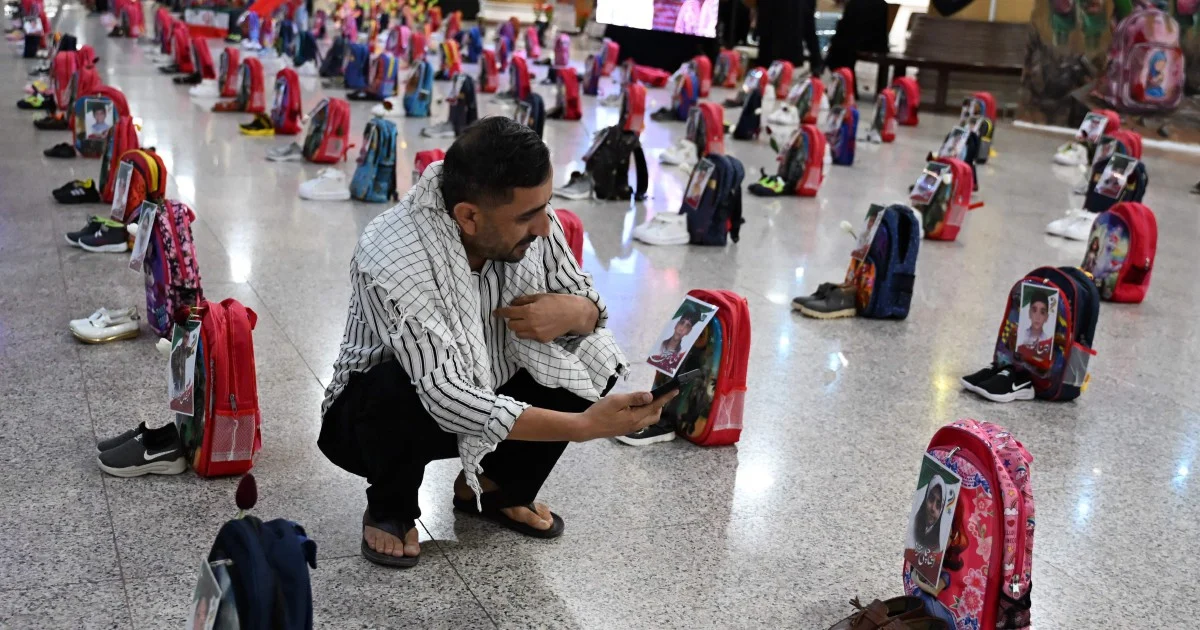
Democratic senators in the United States Congress have intensified pressure on the Trump administration to make public the results of a Pentagon investigation into a controversial military operation targeting an Iranian educational facility. Led by Kirsten Gillibrand, the group of lawmakers has issued a formal demand that the administration release its findings within seven days, seeking to bring transparency to an incident that has drawn international scrutiny and raised serious questions about civilian casualties during military operations.
The February 28 airstrike on a girls' school in Iran represents a critical juncture in ongoing US-Iran relations and carries significant implications for regional stability across the Middle East. Such incidents involving strikes on educational facilities inevitably generate substantial diplomatic fallout, particularly when young civilians may have been affected. The timing of this demand reflects broader congressional concern about accountability in military operations and the need for clear documentation of how targeting decisions are made and reviewed.
Kirksten Gillibrand, a prominent voice on military oversight matters within the Democratic caucus, has positioned herself at the forefront of this effort to compel disclosure. Her leadership on this issue underscores the deep divisions within American political circles regarding military intervention abroad and the standards to which defence operations should be held. The senator's demand carries weight within Democratic circles and signals that this matter will not be allowed to fade from public attention without proper explanation.
The Pentagon investigation itself represents the military's internal mechanism for examining controversial operations and determining whether protocols were followed and whether civilian infrastructure was properly identified before strikes were authorised. The findings from such investigations are typically classified initially, with selective information released to Congressional committees for oversight purposes. However, the Democratic senators are arguing that the gravity of this particular incident demands fuller public disclosure rather than the standard confidential process.
From a Southeast Asian perspective, developments in US-Iran tensions carry indirect but meaningful consequences for the region's security architecture. Many Southeast Asian nations maintain careful diplomatic balances between major powers, and escalations in the Middle East can ripple through international relations and affect patterns of military engagement globally. The question of whether the United States maintains transparent accountability mechanisms for military operations also sets precedents that affect how Washington conducts itself in other regions where it maintains military presence and operations.
The demand for rapid disclosure also reflects a broader pattern of increased Congressional assertiveness regarding military operations under the Trump administration. Lawmakers from both parties have periodically challenged the executive branch on military matters, seeking to reassert Congressional oversight powers. This particular case combines humanitarian concerns with constitutional questions about the proper distribution of war powers between the legislative and executive branches of government.
The specific timing of the demand—calling for response within one week—suggests the senators believe the investigation has already been completed or substantially completed, and that political considerations rather than investigative needs are driving any delays in public release. This creates a compressed timeline that could determine whether the administration chooses to comply with the legislative request or whether it will assert executive privilege or national security grounds for withholding the information.
The strike on the girls' school raises enduring questions about precision in modern military operations and the adequacy of intelligence gathering procedures before targeting decisions are finalised. Given the prominence of educational institutions in any society and the particular symbolic and practical importance of girls' education across the developing world, any incident affecting a school carries profound humanitarian and political implications beyond the immediate tactical considerations.
International observers and human rights organisations have tracked developments in this matter closely, understanding that how the United States addresses accountability for military operations affects global norms and expectations for transparency. The Democratic senators' push for disclosure aligns with broader international advocacy for clearer documentation of civilian impact assessments and post-strike reviews. Their effort could establish important precedents for how military operations are evaluated and explained to democratic publics.
The confrontation between Congressional Democrats and the Trump administration over this disclosure touches on fundamental questions about democratic governance and military accountability. Whether the administration ultimately accedes to the deadline or negotiates an alternative arrangement will signal something important about the balance of power between branches on matters involving military operations and foreign policy. The outcome will likely influence future Congressional demands for transparency regarding other sensitive military matters.

