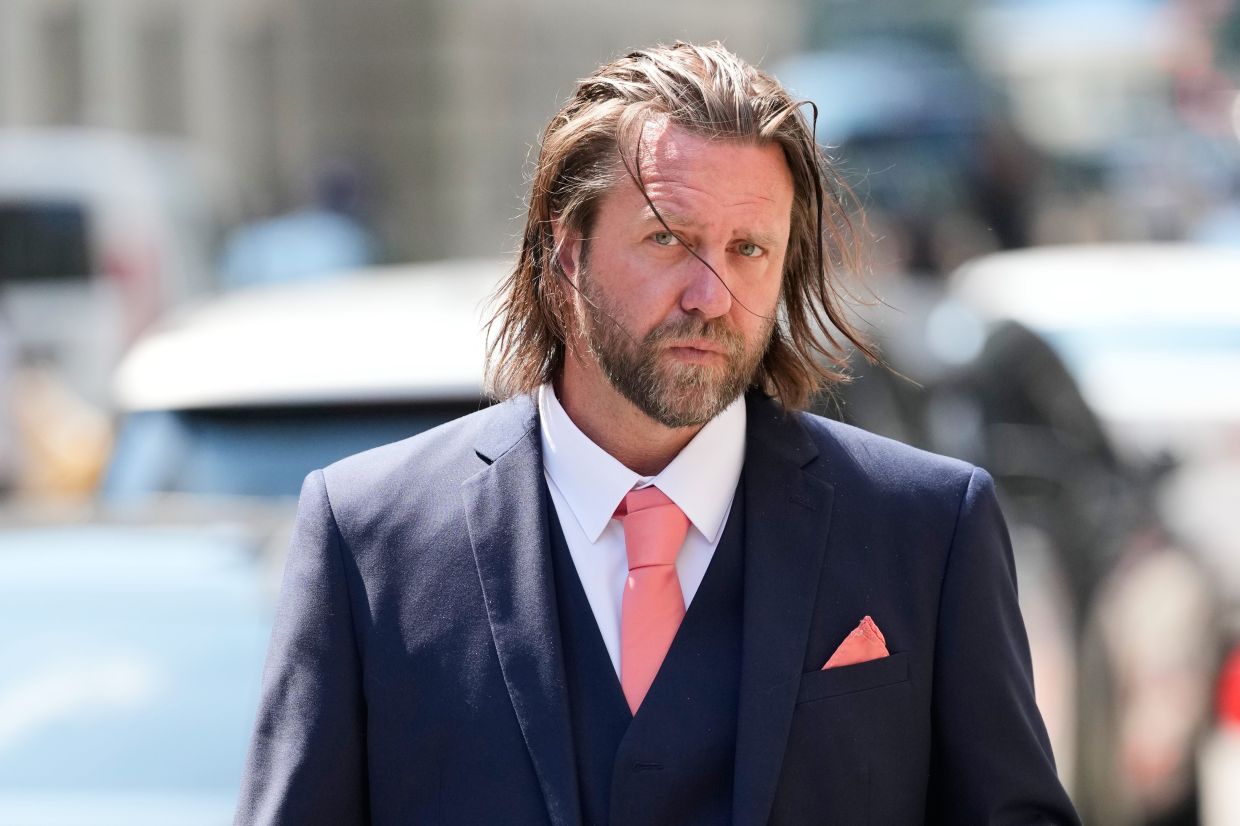
American film director Carl Rinsch has been handed a prison sentence after a federal court found him guilty of misappropriating US$11 million that streaming giant Netflix paid him in 2020 to develop a science fiction television series. The conviction represents a significant white-collar crime case involving a creative professional entrusted with substantial production funding. Rather than channelling the money into content creation as contracted, Rinsch diverted the funds toward personal enrichment through high-risk financial speculation and extravagant purchases, prosecutors demonstrated.
According to the US Attorney's Office for the Southern District of New York, Rinsch deployed the Netflix advance in remarkably reckless ways. He invested heavily in speculative stock options and cryptocurrency, gambling on volatile assets rather than securing legitimate production infrastructure. Simultaneously, he engaged in an extensive luxury spending spree that underscored the brazen nature of the fraud. His purchases included high-end designer clothing and bespoke furniture pieces, items entirely disconnected from his contractual obligations to the streaming platform. The indulgences extended to acquiring automotive status symbols: a red Ferrari and five Rolls-Royce vehicles, vehicles that served no professional purpose related to the proposed television project.
As part of his court-ordered penalties, the 48-year-old director must forfeit the entire US$11 million to the authorities, restoring the stolen funds to Netflix. This forfeiture requirement stands alongside his custodial sentence, representing a comprehensive financial penalty for his misconduct. The dual punishment structure aims to both deter future fraud and provide restitution for the entertainment company's losses, sending a clear message that substantial production funding carries corresponding legal accountability.
Rinsch's legal team mounted a defence focused on mitigating circumstances rather than disputing the underlying facts of the misappropriation. His lawyers appealed to the sentencing judge for leniency, characterising the financial crimes as symptomatic of acute personal distress. They argued that Rinsch operated under extraordinary professional pressure within the entertainment industry, an environment known for its competitive intensity and unpredictable project trajectories. Additionally, they highlighted that he was simultaneously navigating an intensely contentious divorce proceeding, suggesting that personal marital turmoil compromised his judgment and contributed to his criminal choices. This defence strategy, while acknowledging wrongdoing, attempted to contextualise the fraud within a broader narrative of psychological strain.
The genesis of the Netflix dispute centred on an ambitious science fiction project that was originally titled as a premium streaming series. According to court documents, the show's conceptual foundation involved a narrative about a brilliant scientist who engineers an exceptionally powerful group of clones. These genetically-created beings are forcibly banished to an isolated walled settlement within a Brazilian city setting, where they progressively develop sophisticated technological capabilities. The confined clones subsequently enter into complex conflicts not only with the human populations beyond the walls but also with each other, creating inter-group tensions that would have driven the series' central dramatic conflicts. This imaginative premise represented the type of high-concept science fiction content that streaming platforms actively commission, suggesting the project held genuine commercial potential.
Rinsch's directorial background provided initial credibility for handling such an ambitious project. He launched his feature film career with directorial work that demonstrated his technical capabilities and creative vision, establishing him within the professional filmmaking community. This track record made him an attractive choice for Netflix's investment, yet it also intensified the breach of trust when he systematically misappropriated the production funds. The case illustrates how established creative credentials can paradoxically facilitate fraud by providing both access to significant capital and the assumption of trustworthiness from funding institutions.
Notably, actor Keanu Reeves, who had collaborated with Rinsch on previous projects, submitted a character reference letter to the sentencing judge. Reeves appealed for leniency and merciful treatment in Rinsch's case, describing him as an "exceptional artist" whose career trajectory had been undermined by destructive personal patterns. The actor characterised Rinsch as prone to "self-sabotage," suggesting that his criminal conduct reflected internal psychological conflicts rather than calculated malevolence. This intervention from a respected Hollywood figure carried weight within the courtroom, representing an attempt to humanise the defendant and suggest that rehabilitation remained possible. However, the severity of the fraud—involving millions of dollars in misappropriated corporate funds—ultimately outweighed character endorsements in the judge's sentencing calculus.
The Rinsch case carries particular resonance for the global streaming industry, which has become increasingly vigilant about production fraud and mismanagement. As streaming platforms deploy billions of dollars across international content initiatives, the financial security of these investments becomes paramount. The case demonstrates that even within an industry accustomed to substantial production budgets and complex financing arrangements, systematic theft of development funds can occur. It also highlights the challenges platforms face in monitoring director spending when projects are greenlit with significant upfront payments intended to cover production phases. Netflix and other streaming services have likely strengthened their financial oversight protocols following this conviction.
Beyond the immediate American context, the case resonates across Southeast Asia's emerging entertainment industry. The region has attracted increasing investment from global streaming platforms seeking diverse content for international audiences. Malaysian, Indonesian, Thai, and Filipino production companies and individual creatives now regularly negotiate contracts with major streaming platforms for original content creation. The Rinsch precedent serves as a cautionary example of how production fraud is prosecuted with considerable severity within the American legal system, a jurisdiction that establishes de facto standards for the global entertainment industry. Any Southeast Asian director or producer engaging with American-based streaming platforms must understand that financial misconduct faces criminal prosecution and substantial prison sentences.
The conviction also underscores the broader vulnerability of creative professionals to legal liability when managing substantial corporate funds. Unlike traditional corporate environments where multiple approval layers and auditing mechanisms exist, content creation frequently grants individual directors or producers significant discretionary control over production budgets. This autonomy, while necessary for creative decision-making, creates opportunities for misappropriation if financial oversight proves inadequate. The Rinsch case illustrates how even high-level creative professionals remain subject to the same criminal statutes governing embezzlement and fraud that apply to other white-collar workers. The distinction between legitimate creative expenses and fraudulent personal spending ultimately falls to prosecutors and judges to determine, a distinction that Rinsch's conduct made starkly clear.

