The United States has taken a formal step towards implementing a sweeping Middle East peace initiative by notifying Congress of funding for an International Stabilisation Force designed to operate in Gaza. The State Department's move, confirmed on Thursday and announced formally on 30 July, represents the opening stage of American financial backing for what officials describe as a historic peace blueprint that aims to fundamentally reshape the security architecture across the Palestinian territories.
According to State Department spokesman Tommy Pigott, Washington is committed to "the full implementation of the President's historic 21-point peace plan, of which the ISF is a key component." The administration characterised the funding notification as evidence of tangible progress in what it describes as an ambitious diplomatic endeavour. However, officials declined to disclose the specific financial amount allocated for the force, describing the initial commitment as preliminary in nature as discussions with stakeholders continue through an entity known as the Board of Peace.
The underlying framework, announced by President Trump on 31 July, centres on a comprehensive disarmament agreement with Hamas and other armed factions operating in Gaza. According to the plan's terms, Hamas would be completely disarmed, Israeli forces would withdraw in phases, and the new International Stabilisation Force would collaborate with a reconstituted Palestinian police force to maintain security in the territory. The proposal represents one of the most detailed peace frameworks offered for Gaza in recent years and reflects a significant diplomatic initiative aimed at resolving longstanding Israeli-Palestinian tensions.
Yet the plan faces substantial obstacles. Prime Minister Benjamin Netanyahu has publicly rejected the framework this month, informing his Cabinet that Israeli military forces will maintain their presence and continue operations until Hamas is verifiably disarmed. This position creates tension with the phased withdrawal mechanism central to the Trump proposal. Netanyahu's stance reflects broader Israeli security concerns about verifying disarmament and maintaining deterrence against future attacks. The divergence between Israeli government positions and the peace plan's provisions represents a fundamental challenge to implementation.
Hamas, by contrast, has indicated its continued commitment to the roadmap, suggesting that Palestinian factions may be more aligned with the proposed framework than Israeli leadership. This asymmetry in support underscores the diplomatic complexity facing mediators. The Board of Peace, which serves as the coordinating body for these negotiations, continues pushing for consensus among parties that hold deeply conflicting interests and security assessments.
Jared Kushner, a senior White House advisor and prominent figure in Trump administration Middle East diplomacy, travelled to the region this week to advance discussions. Kushner met with Hamas officials in Egypt before proceeding to Israel, where he engaged with Netanyahu alongside Board of Peace envoy Nikolay Mladenov. Reports indicate significant disagreements emerged during these sessions, particularly regarding Israeli military operations in Gaza. While Kushner reportedly opposed continued Israeli strikes, Netanyahu maintained that military operations would persist, reflecting the fundamental discord between Israeli security doctrine and the diplomatic initiative's assumptions.
These tensions gain urgency given the fragile state of a ceasefire agreement that commenced on 10 October 2025. Since that agreement took effect, Israeli military operations have resulted in 1,283 Palestinian deaths and 4,248 injuries according to Gaza's Health Ministry figures. These casualties, occurring within the framework of a supposedly active ceasefire, indicate substantial violations and demonstrate why comprehensive peace arrangements face credibility challenges among affected populations.
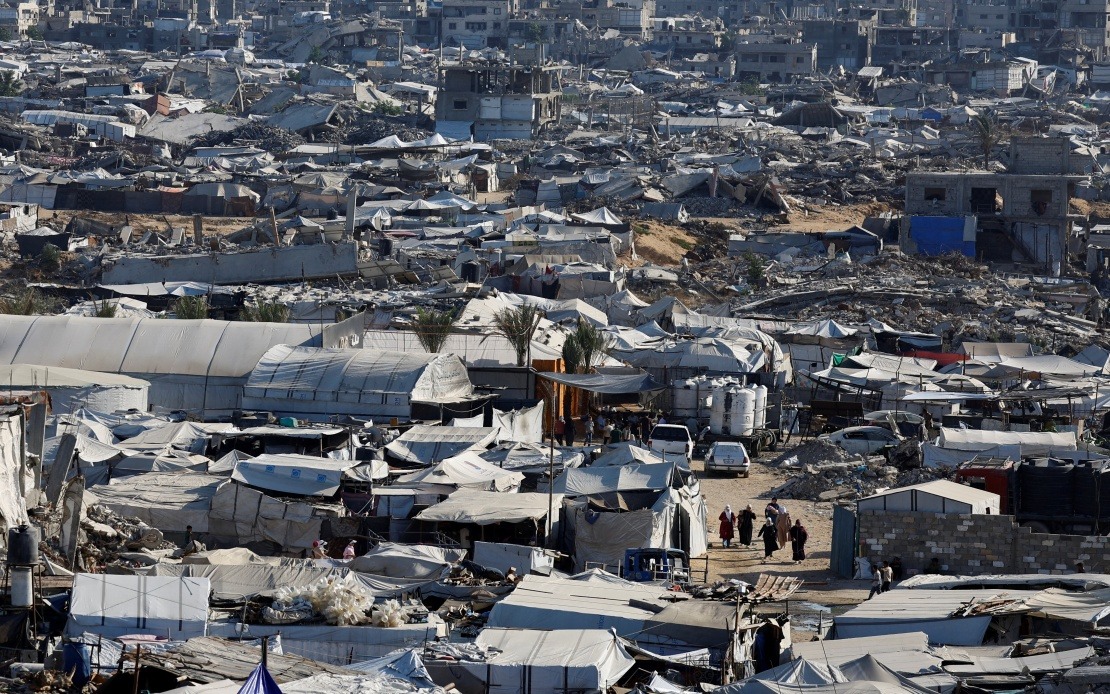
The broader context compounds these immediate difficulties. Israel has conducted military operations in Gaza spanning from 8 October 2023 to the present, a period during which more than 73,000 Palestinians have been killed and over 174,000 wounded. Approximately 90 per cent of Gaza's infrastructure has been destroyed during this extended conflict. This devastation creates profound humanitarian needs and deep grievances that any peace agreement must address, yet the sheer scale of destruction and loss makes reconciliation extraordinarily difficult.
For Southeast Asian observers, the Gaza peace initiative carries significance beyond the immediate Israeli-Palestinian context. The involvement of major powers in Middle Eastern diplomacy, the challenges of implementing comprehensive peace frameworks, and the gap between diplomatic agreements and ground-level compliance offer lessons relevant to regional stability concerns. The International Stabilisation Force model itself—an external military presence operating alongside local security forces—represents an approach that could theoretically apply to various regional security challenges, though success in Gaza remains highly uncertain.
The American funding notification also reflects broader strategic calculations. By committing financial resources and diplomatic capital to a peace initiative, the Trump administration signals its intention to reshape Middle Eastern geopolitics according to its own framework. However, the disconnect between Netanyahu's stated positions and the plan's core provisions raises fundamental questions about whether external funding and diplomatic pressure can overcome the security calculations and political constraints of local actors.
Moving forward, the success of this initiative hinges on whether mediators can reconcile Israeli demands for ongoing security operations with Palestinian and international expectations for phased Israeli withdrawal. The willingness of the Board of Peace to continue pressing for implementation, combined with the phased provision of American funding, suggests a long-term commitment to these efforts. Nevertheless, the pattern of Israeli military operations continuing within the ceasefire framework indicates that bridging the gap between diplomatic frameworks and security realities remains the central challenge facing all parties involved in these negotiations.

