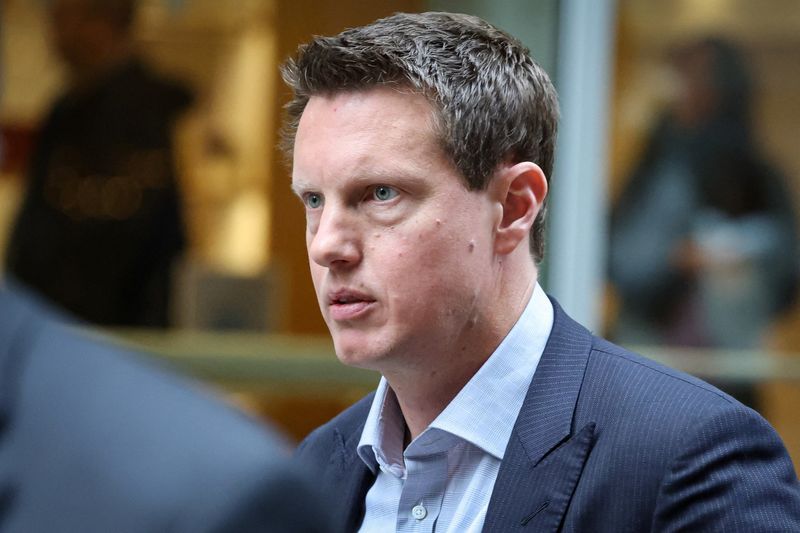
A federal judge in Oakland has dealt a significant setback to the entertainment industry's latest megamerger, ordering Paramount Skydance to suspend its $110 billion acquisition of Warner Bros Discovery while a coalition of state attorneys general pursues an antitrust lawsuit that could stretch for months. The decision represents an early triumph for New York, California, Colorado, Massachusetts, and eight other states that filed suit just a week earlier, arguing the combined company would wield excessive market power with damaging consequences for consumers and competitors alike.
U.S. District Judge Araceli Martínez-Olguín determined on Monday that the plaintiff states had demonstrated a sufficiently strong case that proceeding with the merger would likely violate antitrust law. The judge's reasoning centered on a critical finding: if the combined entity controls approximately 27 percent of the market for distributing widely-released theatrical films, as the states contend, the transaction would substantially lessen competition in violation of federal law. Rather than ruling definitively on the merger's legality at this stage, the judge scheduled a hearing for August 3 to determine whether the suspension should continue throughout the litigation process.
The immediate financial impact was apparent. Warner Bros Discovery shares declined as much as four percent during Monday afternoon trading, reflecting investor concerns about the deal's viability and the financial penalties accumulating as negotiations stall. These penalties loom large in the calculus—under the merger agreement, Paramount Skydance must pay Warner Bros shareholders a ticking fee of 25 cents per share for each day the transaction remains unclosed beyond September 30. At approximately seven million dollars daily, these costs create mounting pressure on Paramount CEO David Ellison's strategy to reshape his company into a serious challenger to Netflix and Disney in the streaming-dominated entertainment landscape.
The judge's analysis drew particular weight from the irreversible nature of certain consequences should the merger ultimately be deemed illegal after closing. Martínez-Olguín noted that once completed, the deal would trigger immediate operational changes—workforce reductions, consolidation of functions, and the commingling of proprietary business information—that could not feasibly be unwound. This reasoning reflects growing judicial recognition that some merger harms, particularly in media and technology sectors, may crystallize so quickly that preventing consummation offers the only meaningful remedy.
Paramount's legal team responded with confidence, issuing a statement asserting that evidence at trial would demolish the states' antitrust arguments. The company contended that the attorneys general have misconceived the relevant markets and misidentified sources of anticompetitive effect, characterizing their claims as disconnected from contemporary realities of the entertainment business. This defense hinges partly on the argument that technology giants like Amazon and Apple have fundamentally transformed film distribution, creating new competitive channels that render traditional market share calculations obsolete.
Yet the judge found this technological disruption argument unpersuasive. While acknowledging Amazon and Apple's recent expansion into theatrical film distribution, Martínez-Olguín concluded these entrants do not substantially diminish the competitive significance of the merger. The court's skepticism reflects a broader regulatory trend toward heightened scrutiny of media consolidation, particularly when incumbents control distribution infrastructure that newer competitors cannot easily replicate.
The states' core concern revolves around the structural dynamics of film distribution. Their litigation brief emphasized that with fewer major distributors following a Paramount-Warner merger, production studios would encounter diminished opportunities to shop projects competitively, potentially leading to less favorable licensing terms. More troubling for consumers and exhibitors, the attorneys general argued, fewer distributors would translate into enhanced bargaining power over cinema chains. Theater operators might face intensified pressure to surrender larger shares of box office revenue to the entertainment conglomerate, ultimately shifting costs downward to moviegoers through higher ticket prices.
This competitive framework resonates differently across different markets. For Malaysian consumers and the broader Southeast Asian entertainment ecosystem, the implications extend beyond theatrical releases. Paramount and Warner Bros collectively control significant content distribution networks across the region, influencing which films reach cinemas, streaming platforms, and broadcast television. A merged entity with consolidated control over theatrical windows, streaming rights, and licensing terms could reshape how Southeast Asian audiences access entertainment and what content publishers consider viable for regional release.
New York Attorney General Letitia James hailed the preliminary ruling as vindication of the enforcement coalition's position, declaring the decision an important victory for consumers and other parties potentially disadvantaged by the merger. The statement signals that state attorneys general remain willing to challenge large media consolidations despite federal regulatory inaction, reflecting a division in antitrust enforcement priorities between the Biden administration's DOJ—which has not opposed this particular deal—and state-level officials.
The August 3 hearing will determine whether the pause extends throughout the litigation rather than concluding as scheduled. This interim measure gives both sides time to prepare for what could become a protracted court battle over whether modern media markets differ so fundamentally from the theatrical-distribution markets of previous decades that traditional antitrust analysis no longer applies. The outcome will influence not only this specific transaction but potentially future consolidation attempts within entertainment and technology sectors.
Ellison's ambitions to transform Paramount into a Netflix and Disney rival through the Warner merger face prolonged uncertainty. The CEO must now weigh the accumulating financial penalties, reputational costs of a blocked transaction, and the possibility that pursuing litigation proves more expensive and disruptive than abandoning the deal entirely. For Warner Bros Discovery shareholders, the judge's intervention creates leverage to renegotiate terms or demand assurances that the merger will ultimately close, reshaping the bargaining dynamics that have governed these negotiations since the agreement's announcement.

