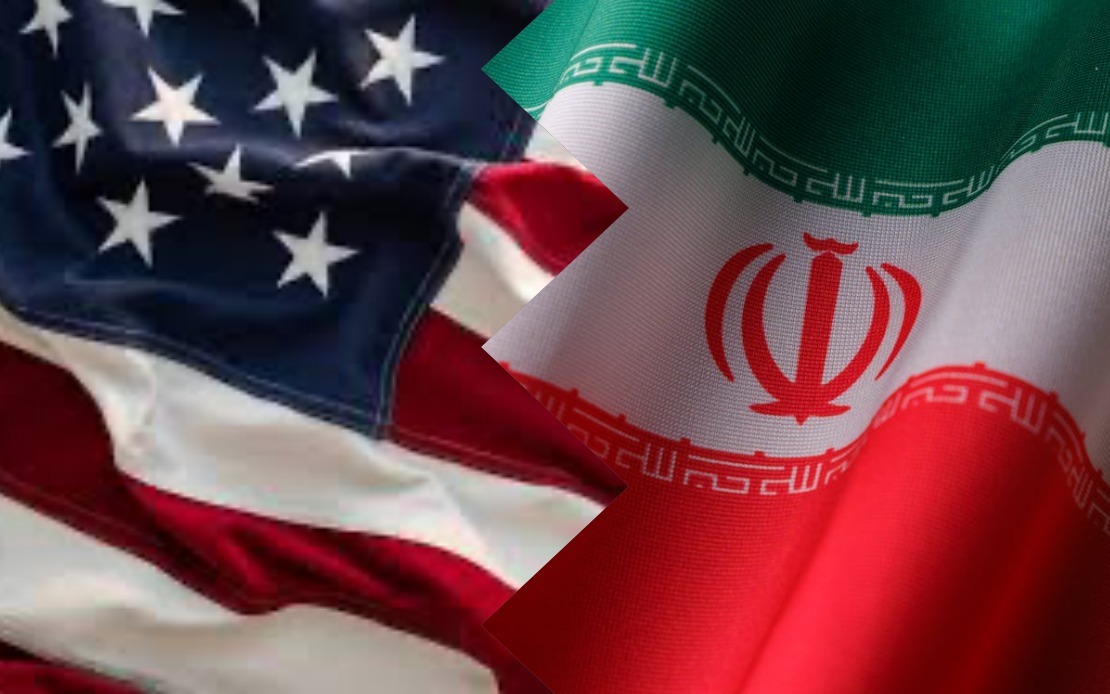
The United States military has executed a second round of strikes against Iranian military positions, according to the Central Command, continuing an intensifying cycle of reciprocal military action between Washington and Tehran. The operations, initiated at 3 p.m. Eastern Time on Wednesday, form part of a broader campaign to neutralize what American officials describe as threats to international shipping corridors. The targeting rationale centers on Iranian military capabilities deemed to pose risks to vessels navigating through the Strait of Hormuz, a critical passageway controlling roughly one-third of global maritime oil traffic.
The strategic importance of the Strait of Hormuz cannot be overstated for Southeast Asian economies. Malaysia and other ASEAN nations depend heavily on unimpeded access to this waterway for their energy supplies and trade routes. Disruptions to shipping through this corridor directly affect fuel prices, manufacturing costs, and economic growth across the region. Any escalation that threatens the free passage of commercial vessels carries immediate implications for Malaysian industries, from petrochemicals to electronics manufacturing that rely on just-in-time supply chains passing through these waters.
The Trump administration has framed these military operations as a necessary enforcement mechanism to hold Iran accountable for its regional activities. Officials have characterized the strikes as responses to Iranian actions that threaten global commerce, rather than unprovoked aggression. This rhetorical positioning reflects the administration's determination to reshape the balance of power in the Middle East through demonstrated military willingness. The emphasis on accountability suggests a policy doctrine that prioritizes deterrence through strength and rapid response capabilities.
President Trump reinforced this messaging in remarks issued earlier on Wednesday, directly cautioning Iran about its future conduct. The presidential statement, emphasizing that Tehran understands Washington's position clearly, carried an implicit threat regarding potential consequences for further Iranian moves. Such high-level political signaling typically accompanies military operations to maximize deterrent effect, though it simultaneously raises the stakes for any miscalculation or escalatory response from the Iranian side.
The recent exchange of military strikes represents a dangerous escalation within the context of already-strained US-Iran relations. The February incidents involving US-Israeli attacks against Iranian targets established a precedent for direct military action, and the current sequence suggests a pattern settling into place. Rather than de-escalation through diplomatic channels, both parties appear committed to demonstrating resolve through military means, creating a feedback loop of threat and counter-threat.
A Pakistan-mediated memorandum of understanding aimed at establishing ceasfire conditions has proven ineffective in preventing these renewed hostilities. The fact that diplomatic mechanisms have failed to constrain military action suggests fundamental disagreements about preconditions for peace and the underlying strategic objectives each side seeks. Pakistan's involvement as a mediator highlights how regional powers attempt to manage US-Iran tensions, though the continued strikes indicate limited success in these efforts. For Southeast Asian nations, the inability of regional powers to broker lasting truces in the Middle East underscores the fragility of international stability mechanisms.
The war that initially prompted these tensions originated from broader US-Israeli regional strategy, establishing the foundational grievances that continue driving Iranian responses. Understanding that context is essential for appreciating why Iranian military capabilities targeting shipping remain a priority for Tehran's leadership. From the Iranian perspective, the ability to threaten international commerce represents a asymmetric lever to impose costs on adversaries pursuing aggressive policies in the region.
For Malaysian policymakers and business leaders, these developments demand serious attention to maritime security and energy supply vulnerability. The concentration of global oil trade through a single chokepoint means that military tensions in the Middle East translate directly into economic consequences for importing nations throughout Asia. Supply chain disruptions, elevated insurance costs for tanker traffic, and potential price volatility in energy markets all stem from instability in this region.
The escalating cycle of military strikes and counter-strikes raises questions about off-ramps from this confrontation. Unlike previous periods of US-Iran tension, the current administration has demonstrated a preference for direct military action over extended diplomatic negotiation. This operational approach, while projecting strength domestically, may actually reduce opportunities for managed de-escalation. The absence of formal channels for communicating red lines and avoiding accidental escalation creates space for miscalculation.
Regional observers note that broader geopolitical realignments are occurring simultaneously. China's expanding influence throughout the Middle East and Central Asia, coupled with Russia's strategic positioning following events in Ukraine, means that US-Iran tensions occur within a multipolar context quite different from previous confrontations. These dynamics complicate efforts by traditional allies and regional powers to contain the fallout from American military operations.
The implications for ASEAN nations extend beyond immediate economic disruptions. Southeast Asian countries maintain complex diplomatic relationships with both the United States and Iran, seeking to balance commercial interests with security partnerships. Renewed US-Iran military escalation complicates this balancing act, potentially forcing difficult choices about alignment and neutrality. Nations dependent on Middle Eastern energy supplies face particular pressure to acknowledge American security concerns while maintaining economic relationships.
Looking forward, the trajectory of US-Iran military exchanges remains uncertain. The demonstrated willingness of both parties to conduct operations despite diplomatic intermediation suggests that further strikes remain possible. Maritime shipping companies, energy traders, and multinational businesses with operations throughout Asia must account for elevated geopolitical risk in their strategic planning. The international community's apparent powerlessness to prevent this escalation raises broader questions about the effectiveness of multilateral institutions in managing great power conflicts during an era of rising competition.
For Malaysian observers, this sequence of events underscores the vulnerability of regional prosperity to distant conflicts. The integration of Southeast Asian economies into global supply chains and energy markets means that Middle Eastern instability carries material consequences for employment, inflation, and growth. Monitoring these developments and preparing contingency plans for energy security therefore represents a legitimate priority for national governments throughout the region.

