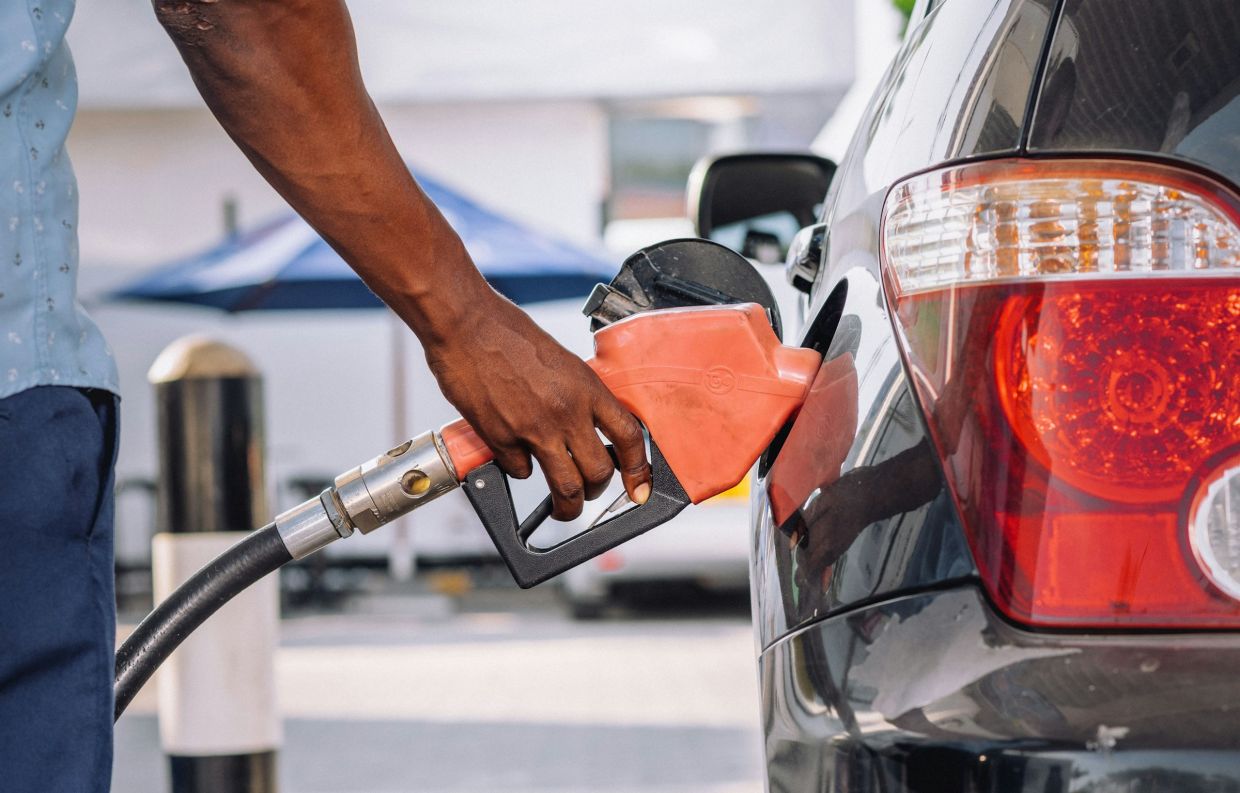
Major American petrol retailers including Walmart Inc, Marathon Petroleum Corp, BP Plc and 7-Eleven Inc face a significant legal challenge after California consumers filed suit alleging the companies deployed artificial intelligence technology to illegally manipulate fuel prices across more than 1,700 filling stations statewide. The complaint, lodged in federal court in Sacramento on Monday, represents one of the first enforcement actions taken under California's relatively new AB 325 legislation, which explicitly prohibits the deployment of shared pricing algorithms in the fuel sector.
The lawsuit centres on Kalibrate Fuel Systems Ltd's algorithmic platform, which the plaintiffs contend automatically adjusts petrol and diesel prices based on confidential market data gathered across multiple stations. According to the complaint, this technology enabled station operators to artificially inflate petrol prices by as much as US$0.22 per gallon and diesel by US$0.33 per gallon, layering additional costs atop already elevated prices driven by geopolitical tensions and supply constraints. The timing is particularly significant given that petrol prices in some California locations had surged to US$7 per gallon, already the highest in the nation, making any artificial additions deeply problematic for consumers.
The financial impact on drivers has proven substantial. According to the lawsuit's calculations, every additional penny added to fuel prices statewide costs California consumers approximately US$134 million annually. When multiplied across the alleged inflations of 22 to 33 cents per gallon, the cumulative burden on households and businesses becomes enormous, effectively representing a hidden transfer of wealth from consumers to petrol retailers. This economic dimension underscores why the lawsuit has gained traction and why California's regulatory authorities have similarly intensified scrutiny of the sector.
The regulatory environment in California has shifted markedly toward stricter fuel market oversight. Governor Gavin Newsom signed multiple legislative packages in 2023 and 2024 specifically designed to strengthen state oversight of petrol pricing practices, culminating in AB 325's explicit prohibition on algorithmic price coordination. Last month, California's fuel watchdog issued subpoenas to certain station operators investigating elevated prices, signalling the state's determination to crack down on anti-competitive behaviour. This lawsuit effectively represents the enforcement phase of that regulatory agenda, translating legislative intent into concrete legal action.
The defendants have adopted largely defensive postures. Walmart stated it is reviewing the complaint and will respond appropriately through the judicial process, a measured response typical of large corporations facing litigation. BP declined to comment entirely. Marathon Petroleum, 7-Eleven, and Kalibrate Fuel Systems all failed to respond to media inquiries seeking their positions on the allegations, a silence that observers often interpret as tacit acknowledgment of the serious nature of the claims.
The lawsuit leverages California's antitrust law framework to seek damages for drivers who overpaid for fuel due to the alleged algorithmic price manipulation. This approach is noteworthy because it not only addresses the immediate competitive harm but also establishes a precedent for pursuing algorithmic collusion cases under existing antitrust statutes. As companies increasingly employ artificial intelligence and machine learning to optimise pricing across networks, this case will likely influence how regulators and courts interpret data-sharing and pricing coordination in the digital age.
For Malaysia and the broader Southeast Asian region, this development carries instructive implications. As regional fuel markets become increasingly sophisticated and companies explore technological solutions to optimise pricing and operations, the California precedent demonstrates the legal risks associated with algorithmic price coordination. Should Kuala Lumpur, Singapore, or Bangkok regulatory authorities determine that fuel retailers are deploying similar technologies to influence prices, similar enforcement action could follow. The case also highlights how consumers can organise collectively to challenge corporate pricing practices through class action mechanisms.
California's fuel prices have become emblematic of broader energy policy debates in the United States. The Trump administration has seized on the state's consistently high petrol prices as a political rallying point, with Energy Secretary Chris Wright promoting a controversial offshore oil-drilling project as a potential solution to California's supply challenges. However, the lawsuit suggests that technological manipulation rather than genuine supply constraints may be partially responsible for elevated prices, complicating the policy narrative.
The significance of this case extends beyond individual consumer compensation. It represents the first major enforcement action under AB 325 and thereby establishes crucial precedent regarding algorithmic pricing in the fuel sector. Should plaintiffs prevail, the financial exposure for major retailers could prove substantial, likely exceeding the immediate damages sought and extending to reputational harm and regulatory scrutiny. The case also signals that California's regulatory authorities will aggressively pursue companies deploying sophisticated pricing technologies to circumvent competition law, setting a baseline for corporate conduct in the fuel industry going forward.