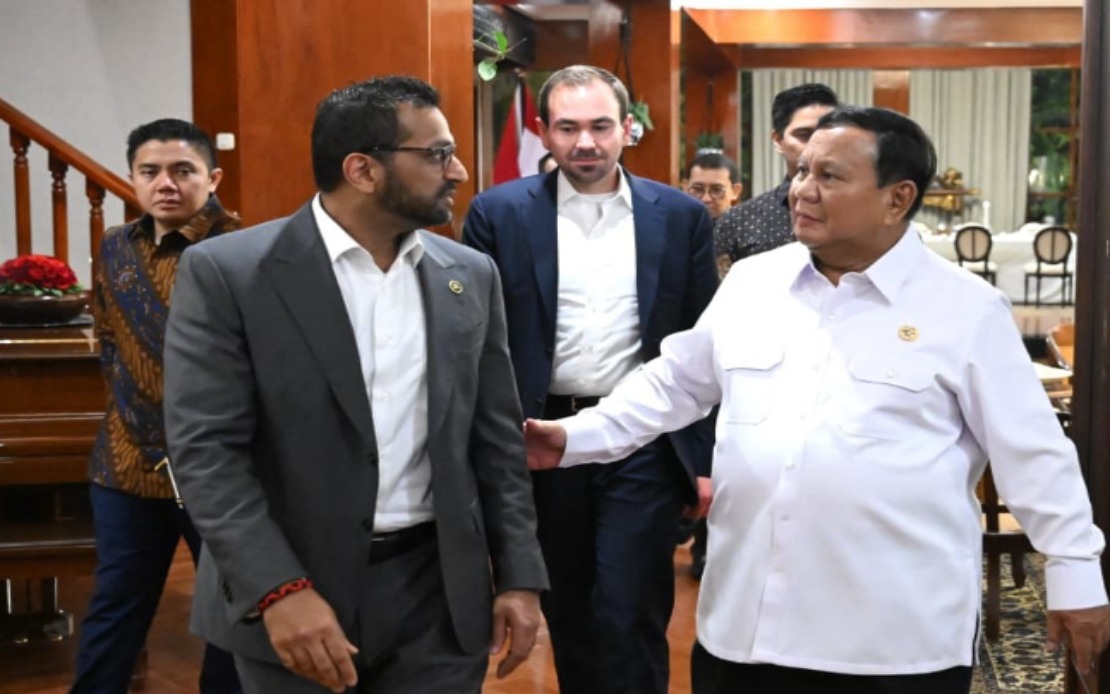
Indonesia has taken possession of several culturally significant artefacts that were illicitly smuggled into the United States, following a formal handover by FBI Director Kash Patel to President Prabowo Subianto at the presidential residence in Jakarta. The return of these heritage objects represents a tangible outcome of growing cooperation between Indonesian authorities and American law enforcement in combating cultural trafficking and recovering stolen national treasures.
Culture Minister Fadli Zon characterised the repatriation as a milestone in a broader strategic partnership aimed at systematically recovering Indonesia's dispersed cultural heritage. Speaking after the handover ceremony on Wednesday, Fadli underscored the importance of continued collaboration, noting that the success of this operation demonstrated the effectiveness of coordinated international effort in addressing cultural crime. He signalled Indonesia's intent to deepen these partnerships through the combined support of the State Secretariat and Ministry of Foreign Affairs, positioning cultural repatriation as a cornerstone of diplomatic engagement with the United States.
The returned objects trace their origins to several regions across Indonesia, particularly Papua, where they were obtained illegally before being transported overseas. Among the communities whose heritage was represented in the recovered collection were the Dani and Asmat peoples, as well as the populations surrounding Lake Sentani—all groups whose material culture reflects centuries of distinctive artistic and spiritual traditions. Fadli emphasised that these artefacts possessed profound historical and cultural significance that extended far beyond their monetary value, speaking to the identity and continuity of their source communities.
The recovery process itself involved meticulous provenance research conducted jointly by Indonesian and FBI experts to establish clear evidence of illegal smuggling and document the path these objects had taken before entering American collections. This investigative approach reflects international best practices in cultural heritage protection, moving beyond simple restitution to build comprehensive records that can inform future prevention efforts. The methodology employed in this case establishes a template for subsequent repatriation initiatives, particularly given the sophisticated networks through which cultural artefacts are trafficked globally.
For Indonesia, the repatriation initiative carries strategic implications that extend beyond cultural pride. The recovery of heritage objects represents a reassertion of national sovereignty over its cultural legacy at a time when many Southeast Asian nations grapple with the legacies of colonial-era looting and contemporary smuggling networks. By working through formal diplomatic channels and law enforcement cooperation, Indonesia signals to other nations holding its cultural property that organised, persistent pressure yields results. This approach also demonstrates to domestic audiences that the government takes the preservation and recovery of national heritage seriously.
The FBI's involvement in these operations reflects broader American commitment to combating cultural trafficking, which is increasingly recognised as a transnational crime comparable to drug smuggling in its scale and impact. The bureau has developed specialised expertise in tracing smuggled artefacts through international markets and establishing legal ownership claims, making it a valuable partner for nations seeking to recover stolen heritage. The personal involvement of FBI Director Kash Patel in the handover ceremony underscores the significance both governments attach to the partnership.
Fadli noted that this represents merely the latest chapter in an ongoing recovery narrative, pointing to previous FBI assistance in locating and returning bronze statues and other artefacts from multiple cultural sites across Indonesia. The cumulative effect of these successive repatriations suggests establishment of a durable institutional mechanism for cooperation, one that may serve as a model for other bilateral relationships addressing cultural heritage crime. The consistency of these efforts indicates that both nations view cultural restitution as integral to their broader relationship rather than as an ad hoc diplomatic gesture.
The decision to place the returned artefacts on public display at Indonesia's National Museum ensures that they will fulfil their educational and cultural mission rather than disappearing into storage. By making these objects accessible to the broader Indonesian public, particularly to communities from which they originated, the government amplifies the symbolic impact of the repatriation while deepening national consciousness regarding cultural heritage. This approach transforms individual artefacts into catalysts for dialogue about Indonesia's past and the ongoing work of cultural restoration.
The broader context of this repatriation reflects a global trend toward more rigorous scrutiny of how cultural objects entered Western museums and private collections, particularly those acquired during colonial periods or through illicit channels. Southeast Asian nations, including Indonesia, have become increasingly assertive in pursuing claims to their dispersed heritage. The success of these initiatives depends significantly on sustained diplomatic pressure, institutional capacity to conduct provenance research, and cooperation from nations where the artefacts are currently held—factors that Indonesia appears to be managing effectively through its engagement with the FBI.
Looking forward, the framework established through these repatriations could serve as a foundation for addressing the far larger body of Indonesian cultural property housed in American institutions without clear provenance. Museums and private collectors in the United States hold thousands of Southeast Asian artefacts, many acquired through channels that would not withstand contemporary scrutiny. By demonstrating both diplomatic resolve and legal capability, Indonesia positions itself to pursue claims more broadly, potentially recovering significant portions of its cultural inheritance.

