As the Group of Twenty prepares for its December summit in Miami, negotiations among the bloc's senior representatives have revealed a significant shift in American priorities that threatens to fundamentally alter the organisation's development-focused mission. During talks in Washington this week, US negotiators sought to excise substantial portions of language addressing poverty, climate action and gender equality from the joint statement that leaders will issue at the gathering, according to delegation members familiar with the discussions. The push marks a departure from the G20's traditional emphasis on global economic cooperation and development support for poorer nations.
The proposed narrowing of the agenda centres on four specific areas that the American delegation views as paramount: immigration control, transnational criminal networks, counter-terrorism operations and what officials characterise as "fair trade" arrangements. These priorities reflect the Trump administration's domestic policy emphases, yet they represent a significant compression of the multilateral forum's conventional scope. Observers and other delegation members described the manoeuvre as subordinating the interests of smaller and developing economies to American strategic concerns, raising questions about whether the G20 can maintain its identity as a platform for consensus-building among diverse economic systems.
The negotiations, which brought together the group's sherpas—senior negotiators tasked with drafting summit declarations—have proceeded since December when preliminary talks began to shape the final joint statement. According to those present, American diplomats have pursued this agenda-narrowing strategy consistently for months, working to embed language that privileges Washington's foreign policy objectives over initiatives that might benefit emerging markets or least-developed countries. The disconnect between stated American values around global cooperation and the practical direction of summit negotiations has not escaped notice among other participants in the talks.
Russia has publicly voiced similar frustrations, with Ambassador-at-Large Marat Berdyev criticising the approach through state media. Despite these complaints, Russian negotiators continued participating in this week's sessions, with Denis Agafonov, head of the presidential experts' directorate, leading Moscow's delegation. Berdyev indicated that Russia expected discussions on trade, energy and finance to feature prominently, suggesting Moscow's own hopes for a broad agenda remain at odds with the American strategy. The presence of Russian complaints alongside their continued engagement illustrates the awkward position many nations face within the G20 framework when confronted with a major power's unilateral reshaping of collective priorities.
China's response to the American push has proven more ambiguous. Delegation members reported surprise that Beijing, for which clean energy transition represents a central pillar of domestic and international policy, declined to object vocally to the removal of energy-transition language from the declaration draft. The Chinese embassy in Washington offered no explanation for this restraint, instead issuing a statement emphasising China's environmental credentials, including what it described as the world's most comprehensive carbon-reduction policy framework and largest renewable energy infrastructure. This apparent passivity contrasts sharply with China's public positioning as a climate champion, leaving questions about whether parallel bilateral negotiations between Washington and Beijing may be influencing the multilateral process.
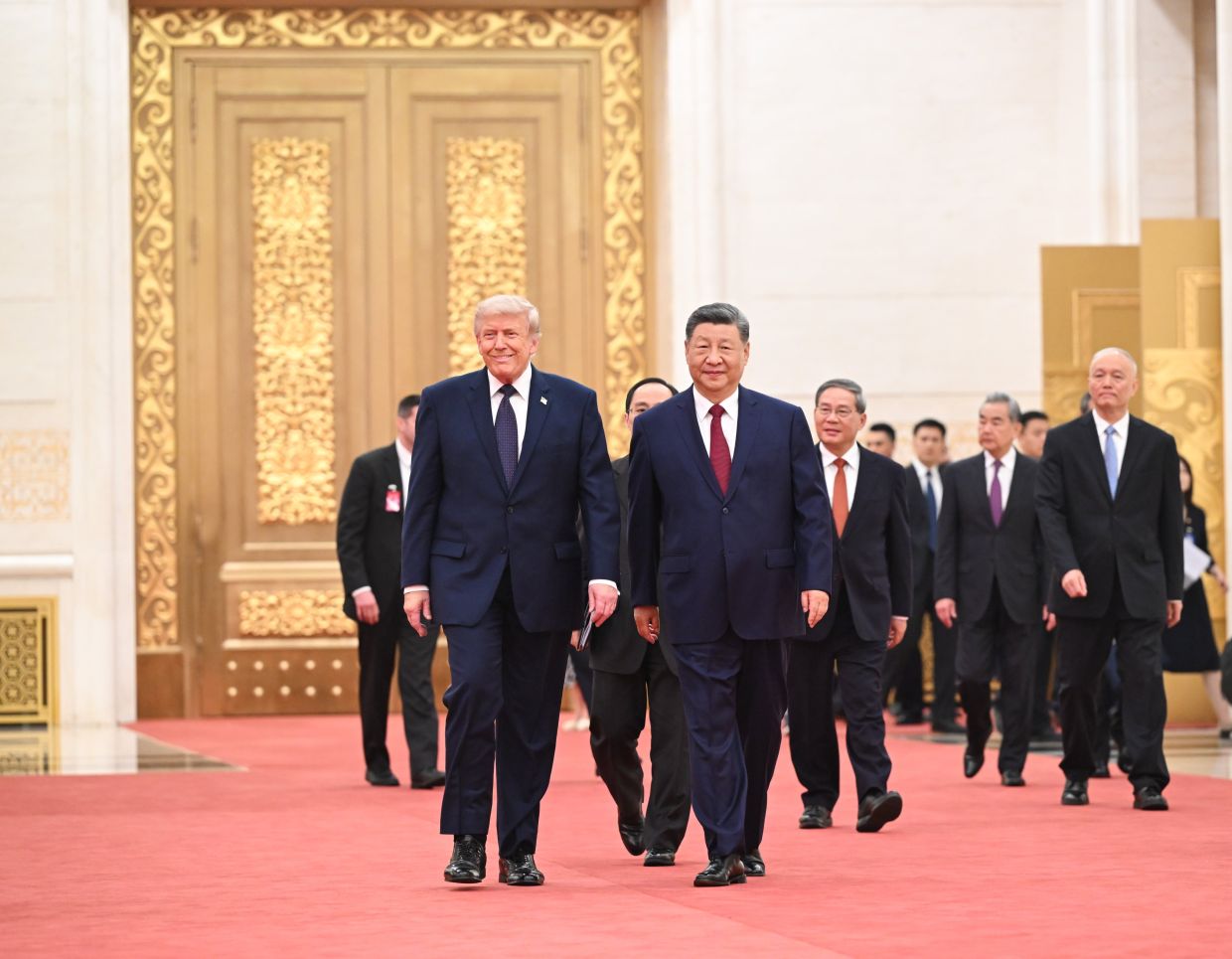
The summit itself is scheduled for December 14-15 at Trump National Doral, the president's private golf resort in Miami. The choice of venue has itself drawn commentary, as it represents an unusual decision to hold an international economic summit at a facility owned by the sitting American president. The event will centre substantially on a bilateral meeting between Trump and Xi Jinping, Chinese leader, with that encounter apparently taking precedence in American planning over the broader multilateral agenda. Several sources characterised the summit from Washington's perspective as essentially serving as diplomatic backdrop for the two leaders' talks, suggesting that the G20 declaration and collective work of the member states may be treated as secondary to managing US-China relations.
This prioritisation of bilateral diplomacy over multilateral commitment reflects broader tensions within the G20 that have accumulated throughout the American presidency. Earlier this year, the first G20 finance ministers' meeting under US leadership concluded in April without producing a joint statement or holding the customary closing press conference, signalling fractious negotiations. The exclusion of Russia from previous G20 activities—the first time a full member has been formally excluded in the group's history—has prompted objections from multiple governments and complicated efforts to build consensus on development issues that require universal participation.
For Southeast Asian nations like Malaysia, which maintain economic and diplomatic ties across the G20 membership, the narrowing of the summit's scope carries practical implications. Regional economies have historically benefited from G20 initiatives addressing infrastructure investment, technology transfer and development finance, areas now at risk of being deprioritised. The removal of gender equality from the declaration would also affect regional initiatives focused on women's economic participation and empowerment, issues that Malaysian policymakers have championed in regional forums. The shift reflects a broader retreat from the consensus-building approach that characterised earlier G20 summits under different American administrations.
The philosophical clash evident in these negotiations reveals deeper divisions about the G20's fundamental purpose. Developing economies and emerging markets view the forum as a space where collective action on shared challenges—poverty, climate change, inequality—can generate resources and political commitment. The American position suggests a preference for the G20 as primarily a venue for addressing transnational security threats and commercial arrangements beneficial to major trading nations. This fundamental disagreement about the organisation's mission has not been resolved through negotiation but instead through the procedural advantage held by the host nation in drafting the declaration.
The outcome of these negotiations will likely set a precedent for future G20 summits and may influence how emerging economies engage with multilateral forums more broadly. If the American approach succeeds in producing a narrowly focused declaration that marginalises development and climate issues, it could signal that consensus-based international cooperation is increasingly difficult to sustain when major powers prioritise bilateral and security-focused agendas. Conversely, if other members successfully resist the narrowing and restore traditional language on poverty and environmental transition, it may demonstrate that even powerful nations cannot unilaterally reshape multilateral forums without significant political cost and member resistance.

