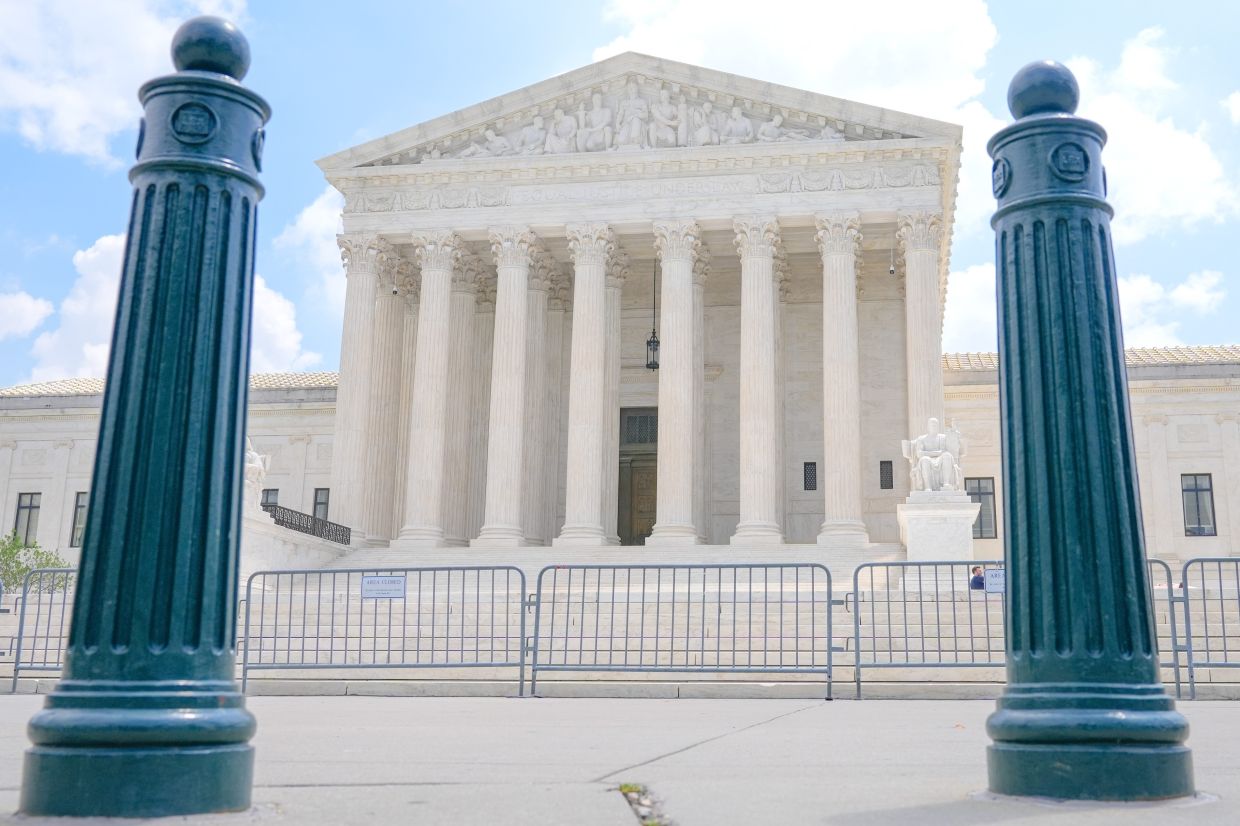
The United States Supreme Court has declined to intervene in a contentious dispute over Texas legislation requiring age verification for mobile app downloads, effectively allowing the measure to proceed after Justice Samuel Alito issued brief orders rejecting emergency petitions from civil liberties and technology industry groups seeking to block the law's implementation.
The Texas App Store Accountability Act has become a flashpoint in ongoing debates about digital regulation, parental oversight, and constitutional protections in the modern internet age. The petitioners opposing the law argued that it unconstitutionally restricts access to content safeguarded under the First Amendment, including materials related to journalism and education. However, the nation's highest court's refusal to intervene signals judicial reluctance to overturn what lower courts have determined to be a legitimate exercise of state regulatory authority.
A three-judge panel from the 5th US Circuit Court of Appeals had previously ruled in June that the law could take effect, effectively reversing a district court's December determination that the measure violated the Constitution. This appellate decision paved the way for the law's implementation, though the Supreme Court's inaction represents a significant moment in the legal saga. The 5th Circuit's decision reflected a narrower interpretation of free speech protections in the context of state efforts to regulate technology platforms' relationship with minors.
Two primary groups have led the legal challenge against the legislation: the Computer & Communications Industry Association, representing major technology firms, and Students Engaged in Advancing Texas, a civil liberties-focused organization. Both organisations have framed their opposition around fundamental constitutional concerns about government intrusion into personal freedoms and parental choice. Their legal arguments emphasised that the state cannot mandate restrictions on access to lawful speech simply because minors might encounter it through digital platforms.
The plaintiffs' legal teams articulated a compelling constitutional argument: that parents—not government—should retain the primary authority to determine what content their children access online. Their filings stressed that First Amendment rights remain paramount, and that parents already possess considerable ability to supervise their children's digital activities through existing parental controls and monitoring mechanisms built into modern devices. This framing positioned the law as an unnecessary government intrusion into matters traditionally handled by families.
Texas Attorney General Ken Paxton's office countered these arguments by emphasising the state's responsibility to protect children from digital risks inherent in modern technology. Their legal submissions highlighted a genuine contemporary concern: children with access to smartphones and tablets can download applications without parental knowledge or permission, potentially exposing them to privacy invasions, data collection, and inappropriate content. The state characterised such exposure as creating an untenable situation where minors face risks that parents cannot reasonably monitor or prevent through existing safeguards alone.
The Supreme Court's tacit endorsement of the law's implementation comes at a moment of broader tension between technology companies and state governments across America. Several states have pursued increasingly aggressive regulatory frameworks targeting digital platforms, particularly regarding minors' safety and data protection. Texas's approach—requiring age verification at the point of app store entry—represents a direct mechanism for reducing minors' access to potentially harmful applications rather than relying on voluntary compliance by platforms or family-based monitoring.
For Malaysian and Southeast Asian observers, this development carries implications for regional digital governance. Many countries in this region are formulating their own approaches to technology regulation, often drawing inspiration from US and European precedents. The Supreme Court's tolerance for Texas's law suggests American courts may be evolving toward greater deference to state-level technology regulations, potentially encouraging similar measures elsewhere. This could reshape how platforms operating across multiple jurisdictions manage user access and age verification protocols globally.
The law's survival also reflects broader American political sentiment regarding technology platform accountability. Lawmakers from various political backgrounds have grown increasingly frustrated with tech companies' resistance to regulatory frameworks targeting child safety. Despite industry arguments about free speech and constitutional rights, courts at multiple levels have demonstrated willingness to uphold protective legislation. This judicial posture suggests that future state-level regulations focused on child safety will likely survive constitutional challenges, even when they impose significant compliance costs on major technology corporations.
The decision also underscores lingering uncertainties about how constitutional protections apply in the digital economy. Courts worldwide continue grappling with questions about whether traditional First Amendment jurisprudence adequately addresses twenty-first-century technological realities. The Texas law's survival suggests American courts may be moving toward frameworks that balance free speech rights against state interests in protecting minors, even when such balancing requires restricting access to lawful content.
Implementation of the Texas law will require app store operators to develop effective age verification mechanisms—a technically complex and potentially expensive undertaking that could establish precedents for digital identity verification systems nationwide. Whether such systems become standard industry practice or whether they remain specific to jurisdictions with mandatory requirements remains uncertain. Either outcome will likely influence how technology platforms operate globally and how they balance regulatory compliance across different markets.
As digital regulation continues evolving across North America and internationally, this Supreme Court decision marks a notable moment where constitutional concerns about free speech have yielded to state-level legislative efforts focused on child protection. The long-term implications for digital rights, parental authority, and government regulation of technology platforms will unfold as companies implement the law and potentially challenge its practical requirements through future litigation.

