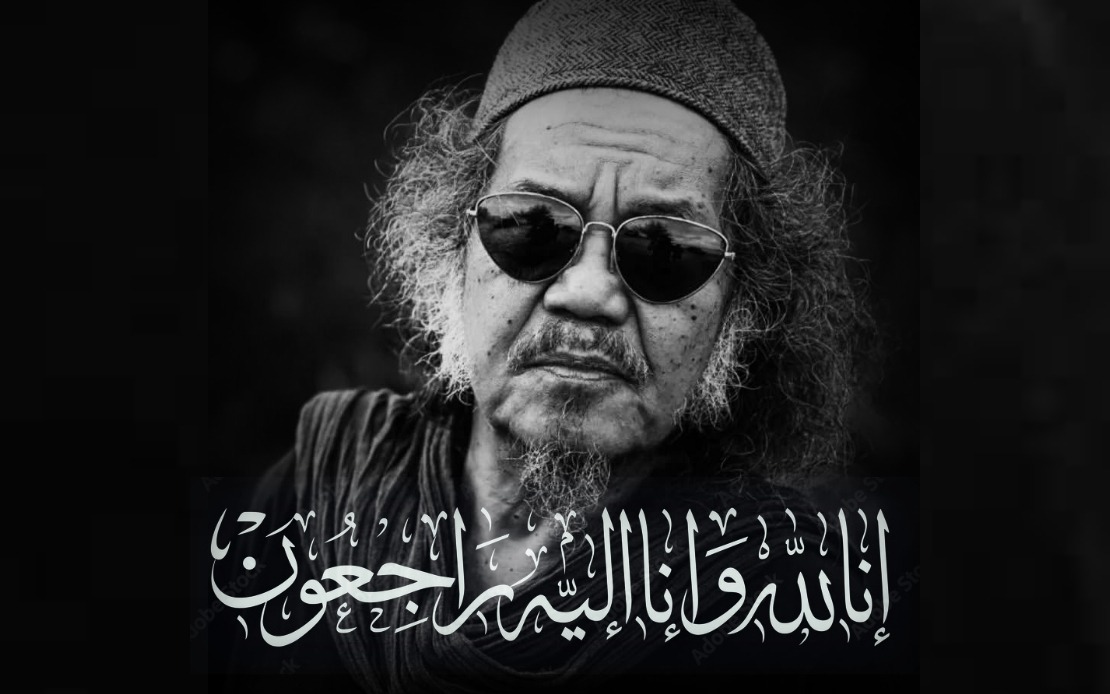
Kamarool Yusoff, the versatile Malaysian character actor who became a household name through his villainous portrayal in the beloved comedy series Gila-gila Remaja, has died at the age of 68. The entertainment industry mourned the loss of the performer on August 5, when he succumbed to cardiac complications while hospitalised in Kelantan. His passing marks the end of an era for a generation of Malaysians who grew up watching his distinctive performances on television.
The news emerged through social channels when Malaysian comedian Mohammad Amirullah Azmi, widely recognised by his stage name Amir Raja Lawak, shared the announcement on Facebook. In his tribute, Amir expressed condolences to Kamarool's family and offered a prayer for the departed soul, reflecting the deep respect held for the veteran performer within the local entertainment community. The post captured the affection with which the public and his peers regarded him, underscoring the considerable impact he made during his lengthy career in Malaysian cinema and television.
Kamarool's son, Ahmad Fakhrol Aliff, who is 23 years old, confirmed the details when contacted by news agencies. According to Ahmad Fakhrol, his father passed away at 5:30 pm on August 5 at Tanah Merah Hospital, where he had been receiving medical treatment for his underlying heart condition. The family indicated that funeral arrangements would proceed the following morning, though the specific location for the ceremony had not been finalised at the time of the announcement.
The actor's professional name was Kamarozaman Yusoff, though he became far more recognisable to Malaysian audiences under the affectionate nickname Cik Man. This stage identity became so synonymous with his public persona that many viewers may not have been aware of his given name. His rise to prominence occurred through his memorable turn as a principal antagonist in Gila-gila Remaja, a series that held significant cultural resonance in Malaysian popular culture throughout its broadcast period.
Gila-gila Remaja occupied a distinctive place in Malaysian television history as a comedy programme that blended humour with social commentary, and Kamarool's villainous character became one of the production's most recognisable elements. The show's format allowed for the development of recurring characters and storylines, enabling actors like Kamarool to build substantial fan followings through consistent exposure and memorable performances. His ability to deliver comedic villainy—making audiences laugh while simultaneously rooting against his character—demonstrated considerable acting skill and timing.
The death of veteran entertainers often prompts reflection on the evolution of Malaysian media and the professionals who shaped it during formative decades. Kamarool represented a generation of actors who worked during the expansion of Malaysian television as a cultural force, contributing to the development of locally-produced content that resonated across the nation. His career spanned a period when local entertainment was establishing its own distinctive identity separate from international imports.
For Malaysian viewers, particularly those who came of age during the period of Gila-gila Remaja's popularity, Kamarool's passing represents the loss of a familiar figure who had been part of their entertainment landscape for many years. The affection with which he was remembered, as evidenced by the rapid spread of condolences across social media, indicates the lasting impression his work made on audiences. Such reactions underscore how entertainers can become woven into the collective memory of their audiences, their characters and performances achieving a permanence beyond their original broadcast periods.
The Malaysian entertainment industry has in recent years experienced the loss of several notable personalities from its earlier generations, raising questions about recognition and support for veteran performers. Kamarool's passing adds to this pattern, prompting consideration of how the industry honours those who contributed during its formative years. While some veteran actors transition successfully into retirement or secondary roles, others face financial difficulties or health challenges without adequate support systems.
The circumstances of Kamarool's death—from a cardiac condition—reflect broader public health concerns within Malaysia, where cardiovascular disease remains a leading cause of mortality. The incident serves as a reminder of the importance of healthcare access across all regions of the country, including areas like Kelantan where Kamarool was receiving treatment at Tanah Merah Hospital. The availability of appropriate medical facilities proved essential in his final days, though ultimately unable to prevent his passing.
Memories of Kamarool will likely persist through reruns of Gila-gila Remaja and through the continued circulation of clips and references on digital platforms. In an era before streaming services and online archives became ubiquitous, such programmes existed primarily in viewers' memories and through occasional television repeats. The digital age has created new possibilities for audiences to revisit earlier entertainment, allowing younger Malaysians to discover performances by veterans like Kamarool and appreciate their contributions to the nation's cultural landscape.
The funeral proceedings announced for the day following his death followed Islamic tradition, with the family prioritising swift arrangements in accordance with their religious observances. While the specific venue remained uncertain at the time of the initial announcements, such details are typically confirmed within the Malaysian community networks through formal channels and family communications.
Kamarool's legacy extends beyond his individual performances to represent an important chapter in Malaysian television history. His work in comedic villainy helped establish that local productions could entertain audiences through locally-developed narratives and characters, a foundation that contemporary Malaysian entertainment continues to build upon. As the country's creative industries look forward, they do so with the substantial contributions of performers like Kamarool—people who invested their talents in establishing Malaysia's distinctive entertainment culture during its crucial developmental years.

