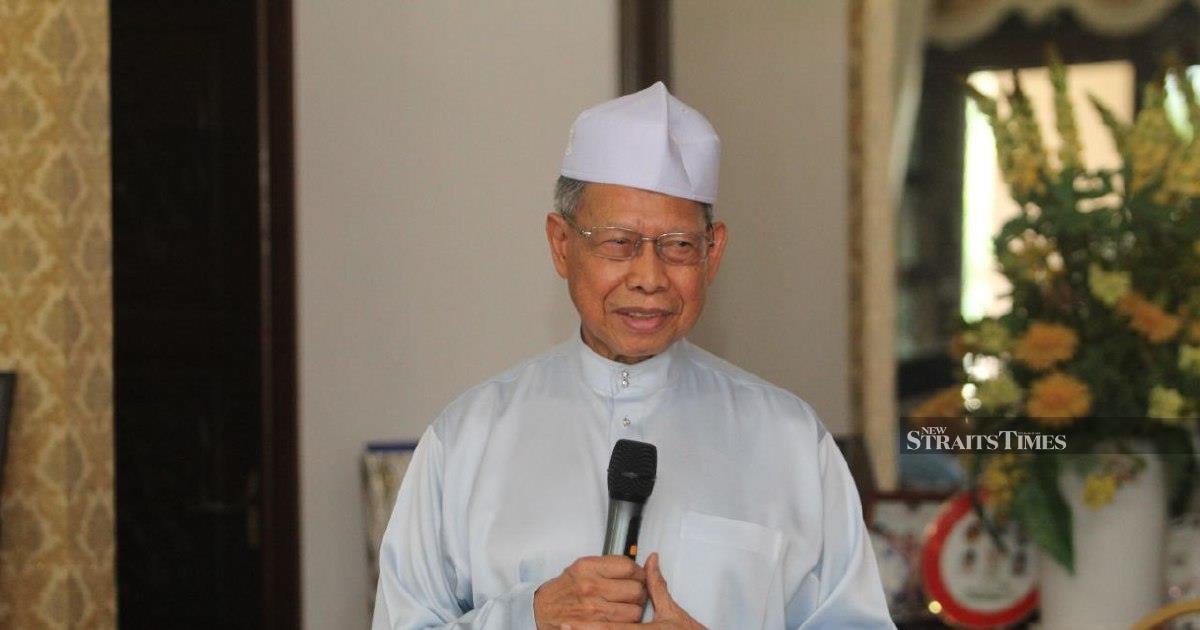
Datuk Seri Mustapa Mohamed, the veteran politician who previously represented Jeli as a member of parliament, has firmly closed the door on a return to electoral politics. In a statement made in Pasir Mas, the senior statesman indicated that age and physical constraints have prompted his decision to step away from contesting in the next general election, marking a significant moment in the career trajectory of one of Malaysia's longest-serving political figures.
The decision follows Mustapa Mohamed's recent realignment with Umno, the party he previously served with distinction before his political journey took him through various political formations. His return to the ruling coalition represents a notable development in contemporary Malaysian politics, particularly given the shifting allegiances and coalitions that have characterised the political landscape over recent years. The timing of his statement, delivered as he reestablishes ties with Umno, underscores the practical realities that often accompany elder statesmen's transitions into advisory and symbolic roles rather than frontline electoral competition.
Mustapa Mohamed's candour about his physical limitations provides insight into the often-unspoken realities of electoral politics in Malaysia. The demands of mounting a competitive parliamentary campaign—from extensive grassroots networking to public appearances and campaign trails—require considerable physical endurance. His acknowledgement that he cannot walk steadily reflects the honest appraisal many veteran politicians eventually make regarding their capacity to fulfil the rigorous expectations placed upon elected representatives. This transparency distinguishes his approach from the sometimes vague retirement announcements that characterise political transitions elsewhere.
The former Jeli MP's withdrawal carries implications for Umno's candidate selection strategy in the constituencies he previously represented or where his influence remains substantial. Party leadership will need to identify successors capable of maintaining the political machinery and voter loyalty that Mustapa Mohamed had cultivated over decades of public service. His decision effectively removes one of the older generation from consideration, potentially creating pathways for younger party members to assume candidacies in competitive seats.
For the broader Malaysian political context, Mustapa Mohamed's statement reflects generational change within Umno itself. The party has grappled with questions about succession planning and the retirement of its longest-serving members. The veteran's willingness to step back from electoral competition while remaining affiliated with the party suggests a model whereby senior figures transition into emeritus or advisory capacities, preserving their political influence whilst accommodating new leadership.
Mustapa Mohamed's career spanning multiple decades has positioned him as a significant figure in Kedah politics and national affairs. His tenure as Jeli MP encompassed periods of considerable political transformation in Malaysia, and his presence in parliament contributed substantially to debates spanning economic policy, regional development, and inter-communal relations. His withdrawal from electoral competition therefore represents not merely an individual retirement but a symbolic moment in the evolution of Malaysia's political establishment.
The implications of his decision extend beyond party politics to questions about political renewal in Malaysia's mature democracy. As younger generations assert greater influence within political parties, the departure of figures like Mustapa Mohamed creates space for fresh perspectives and approaches to governance. However, the loss of experienced parliamentarians also raises questions about institutional memory and the transfer of knowledge within political organisations.
Umno's management of this transition will be closely watched by party members and political observers. The manner in which the party memorialises Mustapa Mohamed's contributions whilst simultaneously energising newer candidates will influence perceptions of the party's commitment to both continuity and renewal. His return to Umno, coupled with his withdrawal from electoral politics, positions him as a potential resource for party strategists and mentors seeking guidance on navigating contemporary challenges.
For Malaysian readers, particularly those in constituencies Mustapa Mohamed previously served, his decision signals the end of an era. The personal touch and established relationships between long-serving MPs and their constituents are difficult to replicate, and voters will experience the transition as these experienced representatives gradually exit the political stage. This generational shift underscores broader patterns of political evolution across Southeast Asia, where many countries simultaneously navigate transitions between founding generation politicians and emerging leaders.
Mustapa Mohamed's decision also resonates with ongoing conversations in Malaysia about the optimal balance between experience and fresh perspectives in elected office. Whilst his withdrawal may seem to favour youth-oriented renewal, it simultaneously removes a stabilising presence from parliamentary proceedings. Political parties must therefore invest considerable effort in capturing and transmitting the institutional knowledge, political instincts, and constituent insights that figures like Mustapa Mohamed have accumulated across their careers.
The announcement does not preclude Mustapa Mohamed from maintaining involvement in party affairs, advisory capacities, or even state-level politics where different considerations might apply. His future trajectory will likely involve contributions to Umno's intellectual capital and political strategy, even as he steps back from the direct electoral arena. This distinction between electoral politics and party influence remains significant in understanding how Malaysian political figures navigate their later careers.

